


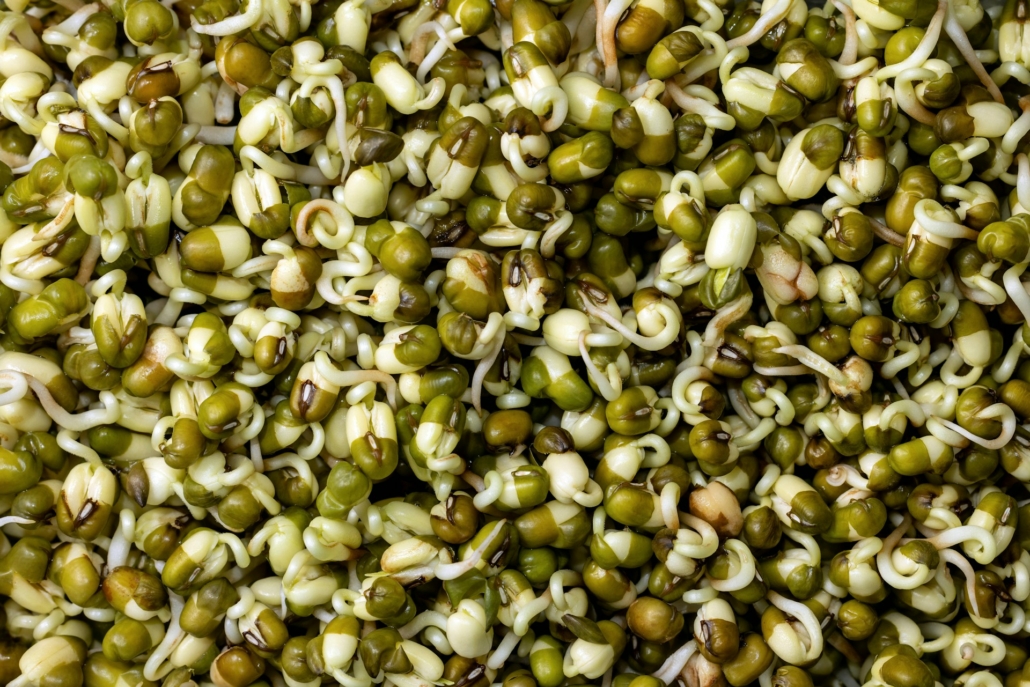
Timing your mung bean harvest is key to ensuring high-quality seeds. It involves understanding the precise moment when your beans are just mature enough to deliver the highest levels of vigour and purity. Mung beans, with their rich nutrients and versatile use, demand keen attention to detail throughout the growing period, culminating in the harvest. This strategic timing influences the seed quality and its ability to thrive in future planting seasons. By identifying the optimal harvest time, farmers can significantly boost their crop’s potential, laying the foundation for robust yields.
Well-timed harvesting means that your seeds have reached peak maturity, making them more resilient and effective for future growth. When the timing is right, you can avoid unnecessary complications from premature or delayed harvests. This precise schedule ensures the seeds retain their full potential, contributing to the overall success of your agricultural efforts.
Understanding Mung Bean Growth Stages
The journey from planting to harvesting mung beans involves several distinct growth stages. Recognising these stages helps in making informed decisions about crop management and harvest timing. Initially, mung beans go through germination, where seeds sprout and begin their journey toward becoming vigorous plants. Following germination is the vegetative phase, characterised by rapid leaf and stem growth. This stage sets the foundation for healthy plants by building robust structures needed for flowering and seed production.
Next comes the reproductive phase, where mung beans begin to flower and pods start to form. During this time, farmers should keep a close eye on the plant’s development. Key indicators such as pod size, colour, and firmness can guide you in assessing when the beans are approaching maturity.
As the plants advance, the beans within the pods gradually reach their optimal size and nutrient content. It’s crucial to monitor clusters of pods for consistent appearance and moisture levels, as these factors will inform the ideal timeframe for harvesting. These stages are distinct and interconnected, with each phase contributing to the ultimate goal of harvesting high-quality seeds.
– Germination: Seeds sprout and seedlings emerge.
– Vegetative Growth: Development of leaves and stems.
– Reproductive Phase: Flowering and pod formation.
– Maturation: Pods mature and reach full size, indicating readiness for harvest.
Understanding and tracking these stages allows farmers to optimise their harvest timing, ensuring that mung bean seeds are gathered at their peak quality and vigour. This kind of strategic harvest planning maximises the potential of the current crop and sets the stage for successful future planting.
Optimal Harvesting Conditions
To achieve the best quality mung bean seeds, timing your harvest around optimal weather conditions is crucial. These beans thrive when harvested on dry, sunny days. Rainy or overly humid conditions can lead to complications like mould or fungal growth, jeopardising seed quality. Ensuring the soil is just right, not too wet or too dry, can have a big impact on harvest success. Soil moisture needs to be balanced, as it plays a role in the ease of harvesting and prevents beans from becoming too brittle or overly saturated.
Poor harvesting conditions can compromise seed quality, affecting vigour and purity. If harvested in damp conditions, seeds may not dry properly, leading to spoilage or reduced viability. Keeping tabs on weather forecasts and planning harvesting activities during dry spells can help maintain seed integrity.
To prepare fields for optimal harvesting:
– Monitor weather forecasts to avoid rainy spells during harvest.
– Adjust irrigation schedules to promote ideal soil conditions.
– Use field covers or drainage solutions if excess moisture is anticipated.
By paying attention to these aspects, your mung bean seeds will be in the best possible shape when they leave the field, setting the stage for effective storage and future planting.
Tools and Techniques for Efficient Harvesting
Having the right tools and techniques makes the harvesting process smoother and more effective. Traditional tools like sickles or scythes can be useful for small-scale operations. For larger fields, mechanised harvesting equipment like bean combines can significantly speed up the process and reduce manual labour. Such equipment enhances efficiency and minimises the risk of physical damage to the seeds.
It’s important to ensure that tools are clean and in good working condition before heading into the field. Dirty or poorly maintained equipment can introduce contaminants, negatively impacting seed quality. Applying the best harvesting techniques helps minimise damage and ensure the seeds remain intact.
Consider the following techniques:
– Use sharp, clean tools to avoid crushing or damaging seeds.
– Optimise machinery settings to match the specific needs of mung beans, reducing pod shattering.
– Train staff on proper handling processes to ensure careful collection and initial processing of harvested beans.
Efficient harvesting means more than just collecting the beans. It also involves all the processes that prevent seed spoilage and enhance preparation for long-term storage.
Making the Most of Your Mung Bean Harvest
Lastly, the journey of your mung beans doesn’t end at harvest. Embracing an insightful approach to post-harvest handling is crucial. Whether it’s cleaning, drying, or storage, each step ensures that the mung bean seed quality remains high, ready for future planting cycles. By following proper protocols, farmers can make the most of their hard work, leading to successful and bountiful harvests in subsequent seasons.
Timing and efficient handling significantly boost your yields and set a strong foundation for future planting endeavours. When you respect the lifecycle of these beans and treat each stage with care, you’re investing in the full potential of the seeds, building a brighter and more productive farming future.
For farmers looking to improve seed performance and crop outcomes, focusing on proven practices and quality options makes all the difference. Learn how Shepherd Grain can help you succeed by exploring the benefits of mung bean seeds and choosing trusted solutions tailored to your needs.


