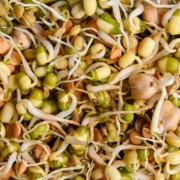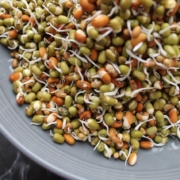
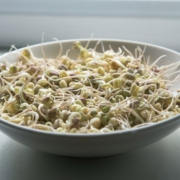
Mung bean sprout seeds are fairly quick to grow, but they still need the right conditions to thrive. After cold weather, whether from storage or transport, timing becomes more important. When seeds get chilled, it can change how they behave once you’re ready to grow them.
Heading into spring, it’s tempting to get a head start. But knowing when to use mung bean seeds after they’ve been exposed to cold can make the difference between a strong start or wasting time on something that won’t take off. There are a few basics to keep in mind about how seeds react to cold and what to watch for before deciding when to plant. Spring rewards good timing, and those extra checks give you a stronger start.
Understanding Cold Exposure on Seeds
Cold weather doesn’t always ruin a seed, but it does impact how ready it is to sprout. The effects break down like this:
- Seeds stored or shipped during chilly periods may have been exposed to frost or near-freezing temperatures that slow down internal activity, even if they still look fine on the outside.
- Germination works best at steady, warmer temperatures. If seeds have been chilled, that early stage can lose some of its energy. You might see slower shoots or patchy sprouting.
- Cold can also affect vigour. A seed might still sprout but not grow as strongly, which can lead to uneven patches or weaker plants.
For growers, it’s worth understanding that not all seeds handle tough conditions in the same way. There can be differences from one harvest to another, or from one storage shed to the next. Sometimes, you’ll only see the effects weeks after sowing, when emergence is uneven or slim. That’s why we focus on how our seed has been stored or handled the last few months, especially if it’s been through a string of frosts.
At Shepherd Grain, we supply mung beans from Australian growers using controlled storage to support stable germination and quality through seasonal changes. Our cleaning and handling focus is on reducing environmental stress during storage and transport.
After a cold snap, we always like to double-check the seed quality before we go ahead and plant. It saves time and effort, especially when conditions are already tough enough.
Signs the Seeds Are Ready to Grow
Once sprouts are past the cold, it’s good to give them a once-over. You don’t need special tools to spot healthy seed, just slow down and pay attention. Here’s what to look for:
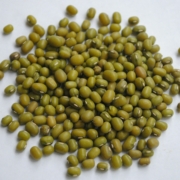
- Healthy mung bean sprout seeds should feel firm, not soft or shrivelled. If they break easily or feel squishy, they’re probably struggling.
- Smell can tell you a lot. Musty or sharp smells aren’t a good sign. Fresh seeds usually smell mild and almost neutral.
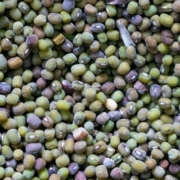
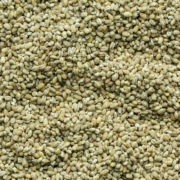
- Colour counts too. Even, pale green-tan seed is what we aim for. Dark spots, cracks or too much variation can mean trouble.
If you have questions about the health of the batch, spend the time to sort and check it. A careful look now means you won’t lose valuable growing time by tossing out weak lots too late.
To be sure, we test a small batch in a controlled spot before sowing the full lot. If it sprouts well there, it gives us confidence to move ahead in the field. Early testing might seem tedious, but every healthy row that shows up on time in spring pays off.
Best Times to Use Sprout Seeds in Spring
Timing in spring is all about temperature. Air might start feeling warmer, but the soil can still be cool. For mung bean sprout seeds, both need to hit a good point before heavy planting begins. What tips the decision:
- Warmer soil helps seeds pop fast and grow strong. If the ground is still cold, even good seed will struggle or stall out.
- We hold off on planting if the forecast keeps flipping or if there’s still a risk of frost. A short delay is worth it, instead of ending up with a poor crop.
- Waiting until several warm days line up gives the soil time to warm through. That’s when we get better sprout rates and steadier growth.
If spring weather shifts back and forth, it’s wiser to wait than risk losing a batch to cold soil. There’s nothing more frustrating than rushing in too early, only to see bare patches a few weeks later. Trusting the forecast and feeling the topsoil helps guide those decisions. Patience in planting means less work chasing missed rows or dead seed later on.
Shepherd Grain recommends matching seed movement and planting schedules to expected regional soil temperatures, so batches arrive and are sown at their peak potential.
Storage Tips to Avoid Future Cold Damage
Most of the time, issues with cold exposure start with storage. Where and how we keep seeds during off-season months has a big role in whether they sprout well later. Three habits that pay off:
- Seeds like it dry and steady. Temperature swings in garages or sheds can take a toll, especially on higher moisture seeds like mung beans.
- A sealed container kept in a dry, dark place inside the shed (not on a concrete floor) is the safer bet than letting bags sit out loose or exposed.
- As late winter rolls in, we try to move seeds to areas closer to where they’ll be planted. That way we can keep an eye on them and check conditions more easily.
When we do the extra legwork to hang onto even temperatures and dry space, we see the results once it’s time to sow. Problems with cold-damaged seed can often be traced back to rough storage conditions when the crop was supposed to be resting.
Good storage now saves us a lot of wasted prep work later on. One small step can carry those seeds through winter in much better shape. When the next season arrives, we have more peace of mind knowing our seeds are sound and ready to go.
Careful Timing Leads to Better Sprouts
Just because seeds got a chill doesn’t mean they’re a lost cause. But it does mean we need to be smarter about when we use them. Timing matters more when the seed has already faced stress.
We’ve found that it helps to slow things down a bit after colder weather. Watch temperatures, look at the seed, test a few if needed and wait for a solid stretch of warmth. That approach gives mung bean sprout seeds a fair shot to do what they’re meant to do. Better timing sets us up with fewer surprises and a more even crop from the start.
When you put the seed in at just the right time, you get stronger rows, fewer skips and a crop that works with you rather than against you. Every year has its quirks, but respecting what the season and the seed are telling you pays off.
Get the Most From Your Mung Bean Sprout Seeds
Getting your seeds off to a strong start is important when the seasons are shifting and timing matters. For reliable results, choose high-quality mung bean sprout seeds that have been carefully handled and stored. At Shepherd Grain, we’re here to help you set your next crop up for success. Get in touch with our team today to discuss your seed plans and timing.