

How Australian Chick Peas Handle Heat Better
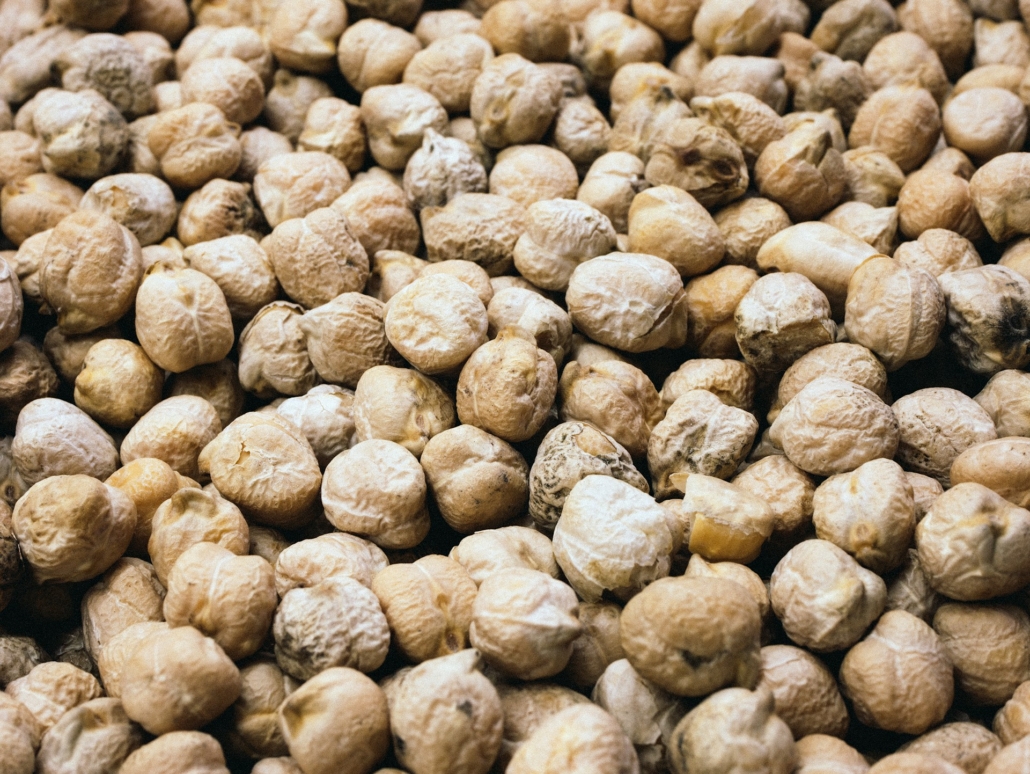
Australian chick peas have shown time and again that they can handle the heat. As warmer summers become more regular, that trait matters more than ever. Growing a crop that can stay steady when the mercury climbs gives us one less thing to worry about, and chick peas have earned their spot for good reason.
Their ability to hang on during hot spells isn’t by chance. These crops have built-in ways of working around the heat. From how they grow to when they flower, there are pieces of the puzzle that add up to better outcomes. If you’re thinking about planting them this season, now’s a good time to brush up on why they stack up so well across Australia.
Chick peas have become a standard crop of choice for many who need something reliable for hot climates. It’s worth looking at the factors that make them shine compared to other pulses so you can plan for a smoother season, even when temperatures soar.
What Heat Means for Pulse Crops
Hot weather affects every pulse crop differently, and knowing what to expect helps us make better calls in the paddock. Timing plays a big role here. When crops hit flowering or pod set during a run of hot days, we often see noticeable stress. Pollen can become less reliable, pods might not set evenly, and filling can slow right down.
Some crops don’t handle those temperature swings all that well, but chick peas tend to hold more ground. Even during warmer weeks, they can keep moving along, especially if they haven’t hit their most sensitive stages just yet.
Flowering and pod set are still high-risk spots, no matter the crop, but chick peas seem to have a bit more wiggle room. That makes them a stronger pick when planting into blocks that regularly see sharp summers or longer dry spells just as the crop matures.
Hot spells are tough for any plant, but for chick peas, the season isn’t lost just because the thermometer is up. The crop can pause, recover, or even push through spells of heat better than many other pulses, which can lose yield quickly if hit at the wrong time.
Traits That Help Chick Peas Handle the Heat
There’s some useful science behind why chick peas can manage hot days better than other pulses. Several traits work together to give these crops a bit more staying power when things heat up.
- Stronger root systems can go deeper, chasing moisture others might miss
- Their open canopy structure improves airflow and reduces temperatures around pods
- They recover well after short heat spikes, often bouncing back with minimal damage
- Many use water more slowly, which helps delay signs of stress during warm weeks
Add in newer seed lines that have been bred with heat and dry tolerance in mind, and we get a crop that’s a lot more consistent under pressure. Over the years, we’ve seen those shifts make a clear difference in how chick peas manage both short spikes and longer runs of warm, dry weather.
For growers, choosing a line with these traits means a safer bet when the forecast looks challenging. Breeding has provided practical benefits you can see in the paddock, from stronger flowering to better grain fill. Sometimes it’s the combination of these small advantages that add up to real yield by harvest time.
Planning Ahead: How to Give Your Crop the Best Chance
Good crops often start with good planning. That matters even more when you expect heat to play a role during the season. Setting up chick peas for success means thinking through where they’ll go and what support they’ll need early on.
- Start with high-quality seed that has strong germination, vigour, and purity
- Pick paddocks that get a bit more airflow or softer finishes to avoid trapped heat
- Use early sowing dates to give crops time to establish before hot spells kick in
- Think about stubble as a tool; it can shield young plants and help hold moisture
- Look at seed treatments that can help roots get going early and stay healthy
Pre-season choices make a big difference when the crop hits those tough patches later on. Early sowing can help chick peas finish flowering before the harshest heat arrives. Seed with strong vigour gives better early growth, especially when paddock conditions are less than perfect.
Stubble cover, often left behind after wheat or barley, shields seedlings and can keep soil temperature cooler, making a noticeable difference during the first hot snaps. Airflow in open paddocks is another piece to consider, helping to lower the risk of fungal disease and reducing heat stress when it counts.
Even a few changes to early decisions can shift the way the crop holds up down the track. We’ve seen time and again how much better things go when seed and paddock work together to manage heat from day one.
Why Australian Chick Peas Stand Out
One big reason Australian chick peas perform so well is where they’re grown. Local varieties have been shaped by the climate they’ve come from. That gives them a built-in toughness. Whether it’s dry conditions up north or hot finishes through parts of South Australia, these lines have had to hold up, and they’ve adapted well.
- Breeding done here keeps local growing conditions front of mind
- Sourcing seed from broad regions spreads risk and supports overall strength
- Chick peas grown in Australia are often better at adjusting to heat stress than imported seed
Shepherd Grain offers chick pea varieties that are selected for their performance in hot and dry regions across Australia, helping growers get the most from their crops even during tougher seasons. All chick peas supplied by Shepherd Grain are tested for quality and stored in conditions that support seed strength and disease resistance.
There’s something to be said for crops that grow well in the very conditions you’re planting into. That alignment helps reduce surprises and gives more confidence when the long-range forecast shows another hot season ahead.
For many growers, knowing your chick peas have stood up to the same weather patterns right here in Australia inspires greater trust. It also makes planning next season a little more straightforward, since seed that has already adapted to these kinds of challenges is much more likely to perform.
Staying Ahead of the Heat
Understanding how chick peas manage heat puts us in a better spot heading into late summer. With the right variety, strong seed, and careful paddock selection, we can plant crops with a better shot at staying on track through bumps in the season.
As weather patterns continue changing, picking crops that match those shifts becomes key. Australian chick peas have shown they can step up to that challenge, and they’re likely to stay part of that bigger solution across farms long term.
Managing for more extreme seasons is never a one-step process. It’s the sum of small, mindful decisions: variety, planting time, site, seed quality, and aftercare. Each adds up to a crop that can not only hold ground during tough weeks but bounce back and deliver at harvest.
At Shepherd Grain, we know that thoughtful planning around challenging summer weather brings meaningful improvements in your pulse crop outcomes. When choosing a variety that thrives in high temperatures, understanding how crops like Australian chick peas perform under pressure is a wise move. The right seed and growing strategies can set your crop up for success in a warming season. Ready to start planting with proven seed from broad regions? We’re here to help; give our team a call to explore your best options.

