

What to Check Before Buying Bulk Wheat Seed for Winter
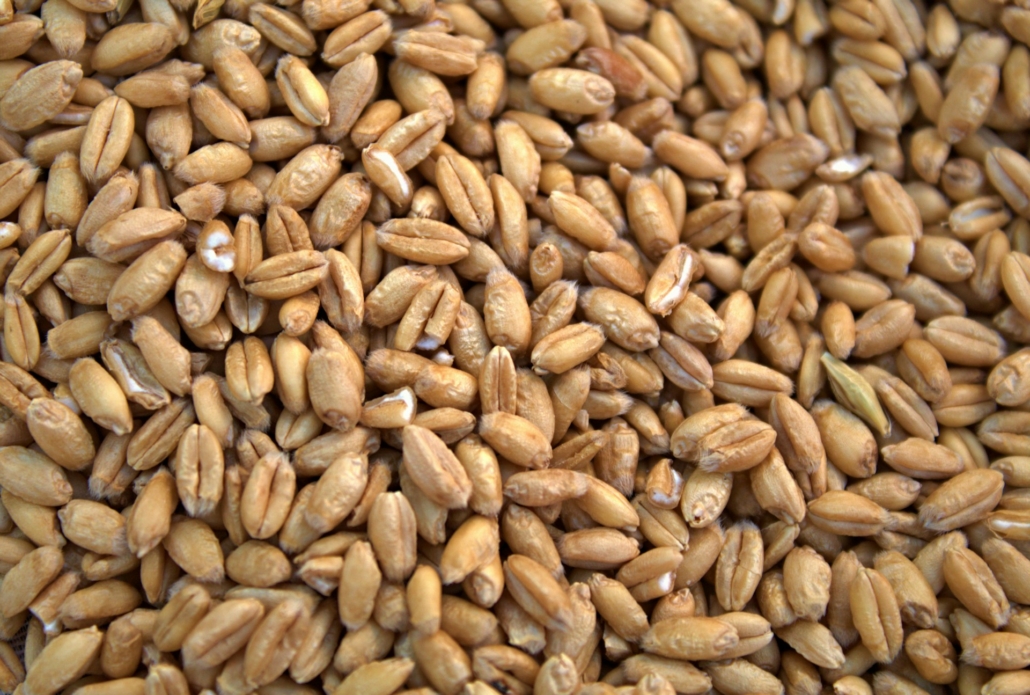
Make Your Winter Wheat Decision Count
The seed you put in the ground this winter sets the tone for everything that follows. Good seed and you are off to a solid start. Poor seed and you are chasing problems from day one, all the way through to harvest.
It sounds straightforward but there is a lot that goes into getting it right. The variety needs to suit your country. The quality needs to be what it says on the paper. The seed needs to show up when you need it, not a week after you wanted to start. And when something does not look right, you need to be able to ring someone who actually picks up.
As a family-owned Australian grain company, Shepherd Grain works directly with local growers to help farmers get into the ground with seed they can rely on.
This article walks through the key things worth checking before you place a bulk order, from picking the right variety and making sure it is clean, through to disease ratings, delivery, protein targets, and why the seed source matters more than a lot of people realise.
Choosing the Right Variety and Ensuring Purity
Getting variety and purity right before you buy is probably the most important work you can do at this stage of the season. Everything downstream, from disease management to harvest timing to what grade you end up with at the receival site, connects back to the decisions you make here.
Start With Variety
The first question is whether the variety suits your situation. That means your rainfall zone, your rotation, and where you are trying to end up at the grain stand. Whether you are chasing Australian Prime Hard, Australian Premium White, durum, or feed wheat, the variety needs to fit the goal you are working toward.
A few things worth thinking through before you decide:
- Does the quality classification match what local buyers are taking?
- Is the maturity right for your sowing window given frost and heat risk in your area?
- Will it sit cleanly in your rotation after chickpeas, barley, or canola without creating headaches down the track?
Why Purity Matters More Than People Think
Once you have the right variety locked in, purity is the next thing to look hard at. A bit of contamination in the seed heap might not seem like a big deal, but it has a way of showing up at the worst possible times.
Off-types and contaminant varieties can make spray timing harder, muddle harvest with mixed maturities across the paddock, and create real problems at receival if barley, pulses, or a different wheat type turns up in the sample.
Certified and foundation-derived seed is produced and cleaned to tight standards, with test results that spell out exactly what you are getting.
Questions Worth Asking Any Supplier
When you are comparing options, do not just look at price per tonne. Ask:
- Where does the seed come from and what generation is it?
- Are there recent germination and purity test results available?
- Has the line been blended with anything and if so, why?
- How is the cleaning done and to what standard?
Disease Packages, Seed Health and Treatment Options
Disease management starts at the seed buying decision, not at the first fungicide application. The variety you choose and the condition of the seed you put in the ground will shape how much pressure you are dealing with all the way through the season.
Matching Disease Ratings to Your Paddocks
Australian wheat growers deal with a solid list of diseases. Stripe rust, leaf rust, stem rust, Septoria, yellow leaf spot, and crown rot are the main ones, and each variety comes with a disease rating profile. But those ratings only tell part of the story.
A variety with moderate resistance might handle a low-pressure paddock just fine. Put that same variety into a crown rot hotspot or a stubble-retained system carrying heavy inoculum and the picture changes quickly. Before you settle on a variety, it is worth thinking through your paddock history, your stubble load, and what disease pressure has looked like in your area over recent seasons. Those answers will also shape your fungicide program and what seed treatments make sense.
Checking Seed Health Before You Buy
The condition of the seed itself matters just as much as the variety rating. Before you commit to a bulk order, it pays to check germination percentage and vigour test results, look for any signs of fungal contamination or discolouration, and confirm the seed meets agreed grading standards for screenings and shrivelled grain.
Weak or infected seed tends to show up as patchy emergence and thin stands early in the season, which puts more pressure on in-crop fungicides and makes it harder to recover. Independent lab test results from your supplier give you something concrete to assess rather than taking the quality on trust.
Seed Treatment Options Worth Considering
Seed treatments are a practical way to add an extra layer of protection before the seed goes in the ground. Fungicide dressings help manage seed-borne and early foliar diseases. Insecticide treatments cover early pest pressure. Micronutrient dressings can be worth adding if a specific deficiency is common in your country.
One thing to keep in mind is that treatments need to line up with your planting window and storage plans. Some products carry use-by dates or specific storage requirements, and treated seed should never find its way into grain channels.
Matching Planting Windows, Delivery Standards and Logistics
Good seed that arrives a week after you needed it is not much use to anyone. Getting the timing and logistics sorted early is just as important as getting the variety and quality right.
Timing Your Order Around Your Sowing Window
Variety maturity, frost risk, and soil temperature all shape when you want to be in the ground in your region. Your seed order needs to land with enough lead time for any pre-sowing germination checks, on-farm treatment or blending if needed, and a stepwise sowing program across different paddocks and soil types.
Locking in your order early gives you more control over when the trucks roll in, rather than fitting your sowing plans around someone else’s delivery schedule.
Delivery Standards to Confirm Before You Commit
Before the order is placed, it is worth getting clear answers on a few things. Confirm the varietal purity specifications and what contamination levels are considered acceptable. Check moisture, screenings, and foreign material limits. Make sure treatment status is documented clearly, including product names and application rates. And ask for traceability back to the original seed source so you know exactly what you are working with.
On-Farm Logistics
It is easy to focus on the seed itself and leave the practical side until the truck is already booked. A bit of planning here saves a lot of scrambling later. Think through truck access and road conditions at your place, what unloading setup you have available, and whether your storage, silos, sheds, sealed or unsealed systems, has the aeration to keep the seed in good condition. Treated seed also needs to be clearly marked and kept well away from grain.
Working with a local supplier who knows the region makes it easier to match deliveries to your program rather than the other way around.
Setting Protein Expectations, Foundation Seed and Common Questions
Hitting a protein target is not just a nitrogen question. Variety choice, seed quality, and how you manage the crop all play into what grade you end up with at the receival site. If you are aiming for Australian Prime Hard or Australian Premium White rather than feed, that decision needs to be made well before you buy seed, not as an afterthought during grain marketing.
Planning for Protein From the Start
The clearest path to a consistent protein outcome starts with a honest conversation with your grain buyer about what you are targeting. From there, you can match variety potential and disease package to your soil type and rainfall zone, and build a nitrogen strategy around realistic yield and protein goals rather than guessing.
Uniform, foundation-derived seed helps here more than people often expect. A more even canopy means your top-dressing and late nutrition programs are working with the crop rather than trying to compensate for an uneven one.
What Foundation-Derived Seed Does in the Paddock
Foundation-derived seed is multiplied from high-grade breeder or foundation lines under strict standards. In practical terms, higher genetic purity tends to show up as more even emergence, tillering, and flowering across the paddock, tighter maturity windows, and simpler decisions around spraying, crop-topping, and harvest timing.
When a crop matures evenly it is easier to set the header correctly, reduce green heads and late tillers, and stay within receival standards for screenings and moisture. That consistency is where the value of good seed pays back over multiple seasons.
Common Questions About Bulk Wheat Seed
Q: Is certified or foundation-derived wheat seed worth it for my farm size?
A: For many growers the gain in evenness, purity, and reduced harvest hassle pays back over several seasons, particularly where quality grades matter to your marketing position.
Q: How early should I lock in my bulk seed order?
A: As early as practical once you have a clear picture of your rotation and paddock history. Getting in early helps secure preferred varieties and generations before supply tightens going into the season.
Q: What test results or certificates should I ask for?
A: Recent germination and purity tests, any disease screening results, and clear documentation on treatments and grading standards are the main ones to request.
Q: How do I choose the right disease package?
A: Start with your agronomist, your paddock history, and local trial results. Focus on the diseases that are relevant to your system rather than chasing resistance ratings across the board.
Q: Can I safely save on-farm seed instead of buying bulk?
A: On-farm seed can work, but there are real risks around purity, disease carryover, and variety-specific legal considerations. Factor in cleaning costs, testing, and potential downgrades before you decide it is the cheaper option.
Q: What storage conditions keep treated bulk seed in good shape?
A: Cool, dry, vermin-free storage away from direct sunlight and weather is the standard to aim for. Treated seed should be clearly labelled and kept separate from grain at all times.
Q: How do bulk seed choices affect protein and grade?
A: Uniform, healthy crops are easier to manage nutritionally. A strong seed base improves your chances of hitting the protein and grain quality bands you are targeting from the start of the season.
Secure Better Seed, Set Up a Better Harvest
There is a lot to think through before a bulk seed order, but the checklist is not as complicated as it can feel. Variety fit for your region and markets, strong varietal purity, the right disease package for your paddocks, planting window alignment, agreed delivery and quality standards, and a clear protein and marketing goal. Work through those and you head into sowing with a lot more confidence than if you are making calls on the run.
Starting with clean, foundation-derived seed is one of the more straightforward ways to lift crop uniformity, take some of the stress out of the season, and protect your harvest outcome. When seed quality, logistics, and agronomy are all pointed in the same direction, you give your winter wheat a solid platform to perform from regardless of what the season throws at you.
Secure High-Performing Wheat Seed For Your Next Season
If you are getting your sowing program together and want wheat seeds in Australia you can rely on, Shepherd Grain can help. We work with local growers across NSW and QLD to match variety options to your soil, rainfall zone, and rotation, so you are making decisions based on your situation rather than a generic recommendation.
Talk to our team about what you are trying to achieve this season and we will help you find the right fit. Practical advice, straight answers, and seed sourced to a standard worth planting.

