
• My Account
(02) 5733 2822
  • 0Shopping Cart
Shepherd Grain | Grain Trading | Grain and Feed Trade | Australia
  • Home
  • About Us
  • Why Choose Us
  • Our Products
    • Chickpea
    • Wheat
    • Barley
    • Durum
    • Faba Beans
    • Mung Beans
  • Careers
  • News
  • Contact Us
  • Resellers Register
  • Search
  • Menu Menu
Chickpea
Chickpea, Seeds

Choosing the Best Chickpea Seed for Your Farm

Choosing the right chickpea seeds can make a big difference for your farm. It can affect how much you harvest and the quality of the chickpeas you grow. When selecting seeds, many factors come into play, such as the climate of your farm, the type of soil you have, and what the market needs. Getting these right can help you grow healthier and more abundant crops.

It’s important to consider how resistant the seeds are to diseases and how well they tolerate different weather conditions. Also, knowing the growth cycle and the time it takes for the plants to mature can help you plan better. The size of the seeds and the potential yield are crucial too. High germination rates and vigour are signs of strong seeds that will grow well in your fields. By investing in good quality seeds from trusted suppliers, you can ensure a productive and profitable farming season ahead.

Understanding these factors and how they influence your crop can help you make better choices. With carefully selected seeds, you can boost your farm’s production and meet the demands of your customers.

Understanding the Importance of Choosing the Right Chickpea Seed

Choosing the right chickpea seed is essential for your farm’s success. Seed selection directly affects the yield you get and the quality of the chickpeas you produce. High-quality seeds result in healthier plants that can produce more chickpeas. Poor seed selection, on the other hand, can lead to lower yields and poor-quality produce, which affects your profits.

When picking chickpea seeds, think about the climate of your farm. Some chickpea varieties thrive in specific weather conditions. Also, consider the soil type. Different seeds perform better in different soil types, whether sandy, clay, or loamy. Lastly, think about the market demand. Growing a variety that’s in high demand ensures you can sell your produce quickly and at a good price.

Key Factors to Consider When Selecting Chickpea Seeds

Disease Resistance and Tolerance

One major factor in seed selection is disease resistance. Chickpeas can be prone to several diseases like Ascochyta blight and Fusarium wilt. Picking seeds that are resistant to these diseases ensures healthier plants and better yields. Disease resistance reduces the need for chemical treatments, saving you time and money.

Growth Cycle and Maturation Period

Understanding the growth cycle and maturation period of the seeds you select is vital. Some chickpea varieties mature quickly, while others take longer. If your growing season is short, opt for a variety that matures early. This ensures the plants have enough time to grow and produce harvestable chickpeas.

Yield Potential and Seed Size

Yield potential is another key consideration. You want seeds that will produce a high number of chickpeas. Larger seeds often indicate robust growth and higher yield potential. Picking seeds that promise a good yield helps maximise your farm’s productivity and profits.

Consideration of Seed Purity, Germination Rates, and Vigour

Make sure the seeds you choose have high purity, germination rates, and vigour. Purity means the seeds are free from contaminants. High germination rates mean most seeds will sprout and grow into plants. Vigour refers to the seed’s ability to grow strong seedlings. Buying seeds with these qualities ensures a successful and productive growing season.

Comparing Popular Chickpea Varieties

Several chickpea varieties are available in Australia, each with unique traits. Some of the popular varieties include PBA Slasher, PBA Seamer, and Genesis 090. PBA Slasher is known for its high yields and adaptability to various climates. It works well in different soil types and has good disease resistance. PBA Seamer offers great resistance to Ascochyta blight and is an early maturing variety, making it perfect for shorter growing seasons.

Genesis 090 is another favourite. It’s a desi chickpea with excellent disease resistance and performs well in different environmental conditions. However, it might need more care in weed management compared to the other two varieties.

To choose the best variety for your farm, consider your specific needs. If you face a lot of disease issues, PBA Seamer might be the best fit. For higher yields and versatility, go with PBA Slasher. If you want a hardy variety that can thrive in multiple conditions, Genesis 090 could be your choice. Assessing your farm’s specific conditions and your goals helps in making the best decision.

Tips for Buying High-Quality Chickpea Seed

Where to source quality chickpea seeds is crucial. To get the best seeds, consider purchasing from trusted suppliers with good industry experience. Suppliers with a long track record often provide high-quality seeds with high germination rates.

Buying from experienced suppliers has its benefits. They offer the latest seed varieties that have been tested and proven to perform well. They also use state-of-the-art seed chemical applications to protect seeds from diseases and pests.

Follow these steps to ensure you are getting the best seeds:

– Research potential suppliers and read reviews.

– Ask about the source of the seeds and their testing methods.

– Check if the seeds come with information on germination rates and vigour.

– Look for suppliers who use modern seed treatments to ensure healthy crops.

Making sure you get high-quality seeds means better harvests and healthier plants.

Conclusion

Choosing the best chickpea seed for your farm is vital for a successful harvest and a profitable season. By understanding the importance of seed selection and considering factors like disease resistance, growth cycle, and seed quality, you can make informed choices. Knowing the differences between popular chickpea varieties helps in picking the perfect fit for your farm’s specific needs.

Additionally, sourcing seeds from trusted suppliers ensures you get the best quality, equipped with modern treatments to protect your crops. It all comes down to making smart decisions that will benefit your farm in the long run.

Ready to take the next step? Connect with Shepherd Grain today and let us help you find the best bulk chickpeas for your farm, ensuring a fruitful and successful growing season.
October 24, 2024/by admin
https://shepherdgrain.com.au/wp-content/uploads/2024/10/engin-akyurt-9A7S6d9-Jp4-unsplash.jpg 1440 1920 admin https://shepherdgrain.com.au/wp-content/uploads/2021/01/[email protected] admin2024-10-24 17:00:392024-10-22 01:49:35Choosing the Best Chickpea Seed for Your Farm
mung beans
Seeds

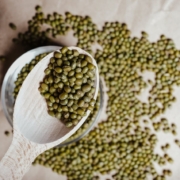
Mung Beans: The Complete Farmer’s Guide

Growing mung beans can be a rewarding venture, providing nutritious and high-protein crops for various uses. Whether you’re a seasoned farmer or a beginner, understanding the essentials of mung bean cultivation is crucial for success. From selecting the right varieties to ensuring optimal soil conditions, each step requires careful attention to detail.

Mung beans are adaptable and can thrive in a range of climates, making them a versatile addition to your crop rotation. However, choosing the right variety suited to your region’s climate and soil type can significantly impact your yield. It’s important to consider traits such as drought tolerance and disease resistance when selecting your seeds.

Proper field preparation is equally essential. Mung beans flourish in well-drained soils and need specific nutrients to grow strong and healthy. Implementing the right field preparation techniques can set the stage for a successful growing season. In addition, understanding the right planting depth and spacing helps ensure that your mung beans have the best start.

With the right irrigation methods and pest management practices, your crop can thrive throughout the growing season. By the time harvest comes around, knowing the best techniques for harvesting and storage will help you retain the quality and quantity of your yield. This guide aims to provide you with all the information you need to grow mung beans successfully, ensuring a productive and profitable harvest.

Choosing the Perfect Mung Bean Varieties

Key Characteristics to Consider

When selecting mung bean varieties, focus on key characteristics that impact yield and quality. Look for varieties with good disease resistance to common issues like powdery mildew and Cercospora leaf spot. This reduces the need for extensive chemical control. Yield potential is another important trait; high-yielding varieties ensure better return on investment. Also, consider the maturity period—early-maturing varieties can provide quicker returns while late-maturing types might offer higher biomass. These characteristics help determine the best variety for your needs.

Regional Adaptability

Matching mung bean varieties to your farm’s regional conditions is essential for success. Different varieties thrive under different climate and soil conditions. In tropical and subtropical regions, opt for varieties that can handle high temperatures and humidity. For semi-arid areas, drought-tolerant varieties are crucial. Consider your region’s average rainfall and temperature patterns when choosing a variety. Varieties suited to your specific conditions will perform better and produce higher yields.

Advantages of Certified Seeds

Using certified seeds offers distinct benefits that ensure your crop’s vigour and productivity. Certified seeds are tested for purity, germination rate, and freedom from disease, ensuring you start with high-quality seeds. These seeds often come with detailed planting and care instructions, tailored to maximise their genetic potential. By investing in certified seeds, you can achieve consistent and reliable crop performance, leading to better overall yields.

Preparing Your Fields for Mung Beans

Ideal Soil Conditions

Mung beans grow best in well-drained loamy or sandy soils with a pH between 6.3 and 7.2. The soil should be rich in organic matter to support healthy plant growth. Avoid heavy clay soils that retain too much water, as this can lead to root diseases. Conduct a soil test before planting to determine nutrient levels and pH. Adjusting soil conditions to meet these requirements promotes strong mung bean growth.

Field Preparation Steps

Successful mung bean cultivation begins with thorough field preparation. Start by clearing the field of weeds and crop residues. Plough the soil to a depth of about 15-20 centimetres to improve aeration and drainage. Following this, apply organic matter such as compost or well-rotted manure to enrich the soil. Level the field to ensure even planting and irrigation. Proper field preparation creates the optimal environment for mung bean germination and growth.

Planting Depth and Spacing Guidelines

Planting depth and spacing greatly influence the germination and growth of mung beans. Sow seeds at a depth of 3-5 centimetres to prevent them from drying out and to protect them from pests. Space the seeds 4-5 centimetres apart within rows to ensure each plant has enough room to grow. Maintain a row spacing of 30-45 centimetres to facilitate air circulation and ease of cultivation. Following these guidelines ensures healthy plant establishment and maximises yield potential.

Mung Bean Crop Management

Irrigation Techniques for Optimised Growth

Mung beans need consistent moisture for optimal growth, especially during flowering and pod development. Drip and sprinkler irrigation systems are ideal as they provide even water distribution. Water the plants deeply but infrequently to encourage deep root development. Typically, mung beans require about 25-30 mm of water per week. Keep an eye on soil moisture levels and adjust irrigation schedules accordingly, particularly during dry spells. Proper irrigation techniques help prevent water stress and promote robust growth.

Pest and Disease Management

Effective pest and disease management is crucial for healthy mung bean crops. Common pests include aphids, whiteflies, and thrips, which can damage the plants and reduce yields. Regular field monitoring helps in early detection and control. Use integrated pest management practices, combining biological controls and selective pesticides for better results.

Diseases like powdery mildew and Cercospora leaf spot can be managed through crop rotation, resistant varieties, and appropriate fungicide applications. Remove and destroy infected plant debris to prevent disease spread. Implementing these strategies ensures a healthy crop and maximises yields.

Nutrient Requirements and Fertilisation

Mung beans need a balanced supply of nutrients for strong growth. Start with a soil test to identify nutrient levels and deficiencies. Commonly, mung beans require phosphorus and potassium for root development and pod formation. Apply these nutrients before planting as per the soil test recommendations.

During the growing season, watch for signs of nutrient deficiencies, such as yellowing leaves, and address them promptly. Regularly apply organic matter or balanced fertilisers to maintain soil fertility. Meeting the nutrient requirements of mung beans ensures vigorous plant growth and higher yields.

Harvesting and Storage Best Practices

Timing Your Harvest

Harvest timing is critical to maximise the yield and quality of mung beans. The best time to harvest is when 85-90% of the pods have matured and turned black. Waiting too long can cause the pods to shatter, leading to seed loss. Regularly monitor the crop as it nears maturity to determine the right harvest time. Picking the beans at the ideal time helps retain their quality and quantity.

Harvesting Methods for Maximum Yield

For large-scale operations, combine harvesters are efficient and effective. Ensure the combine settings are adjusted to minimise seed damage and pod shattering. For smaller fields, manual harvesting can be practical. Pick the pods early in the morning or late in the evening to reduce moisture variability. Handle the plants gently to prevent losing seeds. Using proper harvesting methods ensures maximum yield and quality beans.

Proper Storage Techniques to Maintain Quality

Storing mung beans properly is essential to maintain their quality. Ensure that the beans are thoroughly dried to a moisture content of around 12% before storage. Use well-ventilated storage facilities to prevent mould growth. Keep the storage area clean and free from pests. Regularly inspect the stored beans for any signs of spoilage or pest infestation. Using these storage techniques helps retain the beans’ quality for a longer period.

Conclusion

Growing mung beans successfully involves a series of well-planned steps, from choosing the best varieties to mastering field preparation, crop management, and harvesting techniques. Each stage plays a critical role in ensuring a healthy and productive crop. By focusing on regional adaptability, proper irrigation, effective pest control, nutrient management, and timely harvesting, you can maximise your mung bean yield and quality.

As your trusted seed supplier, we at Shepherd Grain offer the latest seed varieties and state-of-the-art seed treatments backed by over 50 years of combined experience. Our high-quality seeds and expert advice can support your farming goals. Contact Shepherd Grain today to learn more about how we can help you achieve a successful mung bean harvest.

October 24, 2024/by admin
https://shepherdgrain.com.au/wp-content/uploads/2024/10/pexels-vie-studio-7420817.jpg 853 1280 admin https://shepherdgrain.com.au/wp-content/uploads/2021/01/[email protected] admin2024-10-24 14:11:552024-10-22 01:37:41Mung Beans: The Complete Farmer’s Guide
Boost Your Barley Yield with These Expert Seed Choices
Seeds

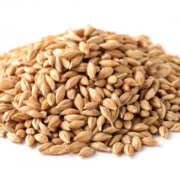
Boost Your Barley Yield with These Expert Seed Choices

Growing high-quality barley requires making informed seed choices. The type of barley seed you choose can significantly impact your yield and the quality of your crop. To ensure success, it is essential to understand the different types of barley seeds available and their specific benefits. Knowing the advantages and limitations of each type helps you make the best decision for your farm.

Selecting the right barley seed is not just about choosing the highest-yielding variety. Factors such as climate adaptability, disease resistance, and market demand also play a crucial role. By carefully considering these aspects, you can pick a seed variety that meets your farm’s unique needs and conditions. 

Understanding the Types of Barley Seeds

In Australia, barley farmers can choose from various seed types. The two primary categories are malting barley and feed barley. Malting barley is grown for the brewing industry, while feed barley is used in animal feed. Each type has specific characteristics that cater to different market needs. Malting barley must meet stringent quality standards, whereas feed barley has more flexibility.

Differences Between Malting and Feed Barley

Malting barley is selected for its high enzyme content, which is essential for converting starches into sugars during the brewing process. It also requires low protein levels to ensure a good malt quality. In contrast, feed barley varieties are chosen for their high protein content and digestibility, which benefit livestock nutrition. These differences make each type suited to distinct market demands and end-uses.

Advantages and Limitations of Each Type

Malting barley offers higher market prices but comes with stricter quality requirements. It needs careful management and optimal growing conditions to meet these standards. Feed barley is easier to grow and less demanding in terms of quality checks, but it usually fetches a lower market price. Understanding these trade-offs can help you decide which type aligns best with your farming goals and market strategies.

Factors to Consider in Seed Selection

1. Climate Adaptability and Growing Conditions

Choosing the right barley seed involves understanding your local climate and soil conditions. Different barley varieties have varying tolerance to temperature, rainfall, and soil types. Seeds that thrive in one region may not perform well in another. For example, some varieties are drought-tolerant, making them ideal for dry areas, while others require more water and are better suited for wet climates.

2. Disease Resistance and Pest Tolerance

Barley crops are susceptible to various diseases and pests, such as rust, mildew, and aphids. Selecting seed varieties with strong disease resistance and pest tolerance can save you time and money on chemical treatments. Look for seeds that have been bred to resist the most common threats in your area. This proactive approach helps maintain healthy crops and maximise yields.

3. Yield Potential and Market Demands

Yield potential is another critical factor in seed selection. High-yield varieties can increase your overall production, but it’s important to consider the quality of the yield as well. Additionally, take into account the market demand for different barley types. Growing a variety that is in high demand can boost your profitability. Balancing yield potential with market needs ensures that you grow a crop that is both productive and profitable.

Top Barley Seed Varieties for High Yields

Several barley varieties stand out for their high yield potential and resilience. For example, Compass is well-regarded for its excellent yield and strong disease resistance. It performs well across various climates, making it a versatile choice for many farmers. La Trobe is another high-yielding variety, prized for its malting quality and rapid growth. 

It’s particularly suited for growers targeting the brewing industry. Spartacus CL offers good yields and the added benefit of Clearfield technology, helping control weeds effectively. Each of these varieties has unique traits that cater to different farming needs and conditions.

Comparison of Seed Traits and Performance Metrics

When comparing barley seed varieties, consider traits such as disease resistance, maturity rate, and grain quality. Compass offers robust disease resistance, particularly against leaf rust and powdery mildew. La Trobe excels in grain size and plumpness, ideal for malting purposes. 

Spartacus CL includes herbicide tolerance, making it easier to manage weeds. Evaluate these metrics based on your farm’s specific requirements to choose the variety that offers the best performance under your conditions.

How to Match the Best Variety to Your Farm’s Needs

To select the optimal variety, assess your farm’s environment and objectives. If you face frequent challenges with pests and diseases, a variety like Compass with strong resistance traits might be beneficial. For those aiming to supply the brewing industry, La Trobe’s malting quality can be a significant advantage. Weigh the traits and performance metrics against your farm’s soil, climate, and market goals to make an informed choice that maximises your yield and profitability.

Tips for Optimal Seed Planting and Care

1. Best Practices for Seed Planting and Spacing

Proper seed planting and spacing are vital for healthy barley growth. Plant seeds at the recommended depth, usually around 3-5 cm, to ensure adequate soil contact and moisture absorption. 

Spacing is critical; aim for about 25 cm between rows to allow enough room for each plant to thrive without competing for resources. Proper spacing reduces the risk of disease spread and ensures even growth across your field.

2. Recommended Fertilisation and Irrigation Schedules

Barley plants require balanced nutrition to reach their yield potential. A soil test can help determine the specific nutrients needed. Typically, applying nitrogen at the beginning of the growing season and again during the tillering stage promotes vigorous growth. 

Phosphorus and potassium are also essential and should be applied before planting. Regular irrigation is crucial, especially during the grain-filling stage, but overwatering should be avoided as this can lead to root diseases.

3. Monitoring and Maintenance for Healthy Barley Growth

Once planted, regular monitoring and maintenance are key to ensuring a healthy crop. Keep an eye out for signs of pests and diseases, and address issues promptly. Use integrated pest management strategies to minimise chemical use and protect the environment.

Regularly check soil moisture levels and adjust irrigation as needed to maintain optimal conditions. Timely interventions and careful management can significantly affect your barley yield.

Elevate Your Barley Crop with Expert Seed Selection

Boosting your barley yield starts with choosing the right seed variety. Understanding the different types of barley seeds and their specific benefits can significantly impact your crop’s success. Considering factors like climate adaptability, disease resistance, and yield potential helps you select a variety that suits your farm’s unique needs.

Implementing best practices in seed planting and care further enhances the growth and health of your barley crop. From correct planting depth and spacing to proper fertilisation and irrigation schedules, each step plays a crucial role in achieving high yields. Regular monitoring and maintenance ensure that your crop stays healthy throughout its growth cycle.

If you’re looking to maximise your barley yield and quality, consider consulting with the experts at Shepherd Grain. We offer a wide range of top-performing barley seed varieties in Australia tailored to meet diverse growing conditions and market demands. Contact us today to learn more about our offerings and how we can help you achieve a successful barley harvest!

September 18, 2024/by admin
https://shepherdgrain.com.au/wp-content/uploads/2024/09/Barley-feat-600x377-1.jpg 377 600 admin https://shepherdgrain.com.au/wp-content/uploads/2021/01/[email protected] admin2024-09-18 04:37:092024-09-13 04:43:01Boost Your Barley Yield with These Expert Seed Choices
Choosing Durum Wheat Seeds: What Farmers Need to Know
Seeds

Choosing Durum Wheat Seeds: What Farmers Need to Know

Choosing the right durum wheat seeds is a critical step for farmers aiming to achieve a successful harvest. Durum wheat, known for its high protein content and gluten strength, is essential for making pasta and other products. 

Selecting the best seed variety can directly impact your yield and the quality of your harvest. With many varieties available, it’s important to understand which traits will work best for your specific farming conditions.

Understanding Different Durum Wheat Varieties

1. Traits of Common Varieties

Durum wheat comes in various varieties, each with unique traits. Some common varieties include Kronos, Svevo, and Desert King. Kronos is known for its high yield and strong gluten strength, making it ideal for pasta production. Svevo offers good disease resistance and excellent milling qualities. 

Desert King has a shorter growing period and performs well in hotter climates. Knowing the traits of these varieties helps you select seeds that match your needs and farming conditions. This selection process ensures you get the best possible yield and quality.

2. Selecting the Right Variety for Your Farm

Choosing the right variety for your farm involves considering several factors. Look at your soil type, climate, and the primary use of your durum wheat. If you plan to produce pasta, opt for varieties with high protein content and gluten strength. 

For farms in hotter areas, choose heat-tolerant varieties. Additionally, consider the variety’s disease resistance; this reduces the need for chemical treatments and keeps the crop healthier. Matching the variety to your specific conditions maximises productivity and ensures a successful harvest.

3. Benefits of Modern Seed Varieties

Modern seed varieties offer numerous benefits over traditional ones. These varieties are developed through extensive research to provide higher yields, better disease resistance, and improved grain quality. They mature faster, allowing for flexible planting and harvesting schedules. 

Advanced breeding techniques result in seeds that can withstand various environmental stresses, such as drought or extreme temperatures. Using modern seed varieties enhances your farm’s productivity and the overall quality of your durum wheat crop.

Soil and Climate Requirements for Durum Wheat

1. Ideal Soil Conditions

Durum wheat thrives in well-drained, loamy soils. The ideal soil should have good fertility and a pH level between 6.0 and 7.5. Ensuring the soil is rich in essential nutrients like nitrogen, phosphorus, and potassium supports strong plant growth. 

Adding organic matter or compost can improve soil structure and fertility. Performing a soil test before planting helps determine the nutrient levels and pH, allowing for necessary adjustments. Proper soil conditions provide a strong foundation for a healthy and productive durum wheat crop.

2. Climate Considerations for Durum Wheat

Durum wheat prefers a warm, dry climate. It grows best in regions with mild winters and hot, dry summers. Too much rainfall can cause diseases and reduce grain quality. Therefore, regions with low humidity are ideal. 

Understanding your farm’s climate helps you plan the planting season to avoid adverse weather conditions. Monitoring weather patterns and adjusting planting dates accordingly ensures that your durum wheat grows in optimal conditions, resulting in a higher yield.

3. Preparing Your Fields for Planting

Proper field preparation is crucial for successful durum wheat cultivation. Start by clearing the fields of debris and weeds. Tilling the soil to a depth of about 15-20 cm breaks up compaction and creates a good seedbed. 

Incorporate any necessary fertilisers or soil amendments based on your soil test results. Level the field to ensure even distribution of seeds during planting. Preparing your fields thoroughly sets the stage for healthy germination and strengthens the growth of your durum wheat plants.

Effective Planting and Growing Techniques

1. Best Planting Practices

Getting the planting process right is vital for the success of your durum wheat crop. Planting should ideally occur in early spring or late winter when the soil temperature is moderately warm. Ensure the seeds are planted at a uniform depth of about 2-4 cm to promote even germination. 

Seed spacing is also crucial; aim for a density of around 200-300 seeds per square metre. This density ensures that the plants have enough space to grow but are close enough to maximise yield. Proper planting sets the stage for healthy growth and development.

2. Irrigation and Water Management

Irrigation plays a key role in the growth of durum wheat. While durum wheat is somewhat drought-tolerant, it requires consistent moisture during critical growth phases such as tillering and grain-filling. Using drip or sprinkler irrigation systems can help maintain the right moisture levels. 

Avoid over-watering as it can lead to root diseases and other issues. Monitor soil moisture regularly and adjust your watering schedule based on rainfall and soil conditions. Effective water management supports robust plant development and enhances yield.

3. Fertilisation and Nutrient Needs

Durum wheat needs a balanced supply of nutrients for optimal growth. Nitrogen is essential early in the growth stage to promote leaf development. Phosphorus supports root development and should be applied during planting. Potassium helps with overall plant health and grain production. 

Based on soil test results, apply fertilisers in moderate, regular doses to ensure consistent nutrient availability. You can use both organic and inorganic fertilisers depending on what your soil needs. Proper fertilisation promotes healthy plants and maximises yield.

Harvesting and Storing Durum Wheat

1. Timing the Harvest

Harvesting at the right time is critical for maximising yield and maintaining grain quality. Typically, the best time to harvest durum wheat is when the grains are hard, and the moisture content is around 12-14%. 

Harvesting too early can lead to immature grains, while harvesting too late can cause grain shattering and loss. Regularly check the moisture levels of the grains as the harvest time approaches. Using modern harvesting equipment can make the process efficient and reduce losses. Right timing ensures the best quality and quantity of your crop.

2. Techniques to Maximise Yield

To maximise yield, use efficient harvesting techniques. Adjust your combined harvester settings to match the condition of your fields. Ensure the cutting height is optimal to capture as much of the grain as possible while avoiding unnecessary straw intake. 

Harvesting during cool, dry conditions can also minimise grain loss. Regular maintenance of your harvesting equipment ensures smooth operation and reduces the risk of breakdowns. By following these techniques, you can maximise your yield and ensure the best return on your efforts.

3. Proper Storage to Maintain Quality

Proper storage is essential to maintain the quality of your durum wheat after harvest. Store the grains in clean, dry, and well-ventilated silos or bins to prevent mould and pests. Ensure the storage area is free from previous crop residues that could contaminate the new harvest. 

Regularly inspect the storage facilities for any signs of moisture or pest infestation. Using airtight containers and monitoring temperature and humidity levels helps keep the grains dry and safe. Proper storage methods ensure that your harvested grains remain in top condition until they are ready for sale or use.

Maximise Your Yield: Choose the Right Durum Wheat Seeds

Choosing the right durum wheat seeds and following proper cultivation practices are key to achieving a successful harvest. By understanding different seed varieties and matching them to your soil and climate conditions, you lay the foundation for a productive crop. Effective planting, water management, and fertilisation further support healthy growth, while timely harvesting and proper storage maintain the quality of your grains.

We at Shepherd Grain provide the latest seed varieties and expert advice to help you succeed. We can support your farming needs with our state-of-the-art seed treatment and a wide range of high-germination seeds. Explore how we can assist you in achieving a top-quality durum wheat harvest in Australia!

September 11, 2024/by admin
https://shepherdgrain.com.au/wp-content/uploads/2024/09/Durum-fea2t-600x331-1.jpg 331 600 admin https://shepherdgrain.com.au/wp-content/uploads/2021/01/[email protected] admin2024-09-11 04:24:212024-09-13 04:33:22Choosing Durum Wheat Seeds: What Farmers Need to Know
Page 2 of 212

Archives

  • January 2026
  • December 2025
  • November 2025
  • October 2025
  • September 2025
  • August 2025
  • July 2025
  • June 2025
  • May 2025
  • April 2025
  • March 2025
  • February 2025
  • January 2025
  • December 2024
  • November 2024
  • October 2024
  • September 2024

Categories

  • Barley
  • Chickpea
  • Faba Bean
  • Germination
  • Mung Bean
  • News
  • Seeds
  • Wheat

Donec pede justo

Lorem ipsum dolor sit amet, consectetuer adipiscing elit. Aenean commodo ligula eget dolor.

Aenean massa. Cum sociis natoque penatibus et magnis dis parturient montes, nascetur ridiculus mus.

Our location

Shepherd Grain Logo
  • (02) 5733 2822

  • 0418 823 523

  • [email protected]

  • 122 Burrington Rd
    Moree NSW 2400, Australia

© 2025 Copyright – Shepherd Grain | Privacy Policy |  Website By: YDS

Scroll to top
Apply Now

  • Drop files here or
    Max. file size: 5 MB, Max. files: 3.
    View Cart Checkout Continue Shopping