

Durum Wheat Adaptability Across Australian Regions
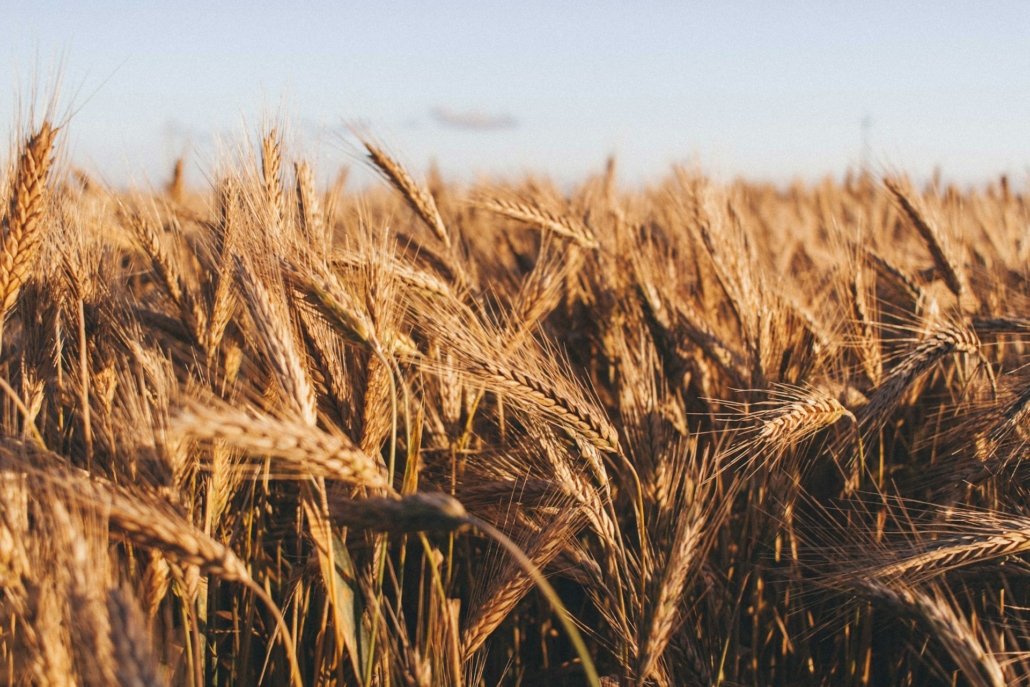
Durum wheat plays a significant role in Australia’s agricultural landscape, renowned for its quality and versatility. As a staple crop, it finds its way into a variety of products, from pasta to cereals. The adaptability of durum wheat makes it particularly valuable, especially in a country like Australia, where diverse regional climates and soil conditions present unique growing challenges and opportunities. Understanding how durum wheat can fit into these diverse settings is key to thriving crops and productive harvests.
Adapting durum wheat across Australian regions involves more than simply planting seeds. It requires a thoughtful approach that considers each area’s individual climates, soil types, and weather patterns. By fully grasping these factors, farmers can choose the best methods and varieties to suit their particular environment. This approach not only supports better crop yield but also encourages sustainable farming practices for the long term.
Understanding Regional Differences
Australia’s vast land is home to a rich variety of growing conditions, each offering different challenges and opportunities for cultivating durum wheat. By understanding these differences, farmers can adopt practices and choose seed varieties that align with the unique characteristics of their specific region.
1. Climate Variability:
– Northern regions tend to have warmer conditions and may demand durum wheat that is heat-tolerant.
– Cooler, southern areas might require varieties that can thrive in chillier climates and potentially deal with frost.
2. Soil Composition:
– Some regions boast rich, fertile soils perfect for wheat cultivation, whereas others might present sandy or clay-heavy textures needing special attention.
– Selecting the right wheat variety that can adapt to these soil types ensures both better growth and soil health.
3. Weather Patterns:
– Consistent rainfall in some areas might help with natural irrigation, while drier regions may push for drought-resistant wheat types.
– Understanding the timing and frequency of rain can help farmers plan planting and irrigation strategies effectively.
By paying attention to these factors, farmers are better equipped to make informed decisions that maximise wheat production. This tailored approach allows for a flourishing crop that contributes significantly to farm success and sustainability. It emphasises the need for continuous learning and adaptation, ensuring that each harvest is better than the last.
Durum Wheat Varieties for Different Climates
Selecting the right durum wheat variety is essential to achieving success in varying Australian climates. Different regions call for different varieties, each offering unique strengths and capabilities. Farmers in the north might choose a heat-tolerant variety, such as Caparoi, known for its resilience in warmer environments. This variety thrives where the sun is intense, making it a reliable choice for northern growers. Meanwhile, in cooler southern climates, varieties like Kalka may perform better due to their ability to handle lower temperatures and periods of frost.
Each wheat variety has adaptability features that enhance its compatibility with specific conditions. These features may include drought tolerance, resistance to certain diseases, or even faster growing cycles. By selecting the right variety for their region, farmers not only increase their chances of a fruitful harvest but also contribute to the sustainability of their farming practices. In doing so, they ensure that the land remains productive and healthy, supporting future crops and maintaining soil quality.
Agricultural Practices for Maximising Yield
Alongside choosing the right wheat varieties, adopting tailored agricultural practices plays a significant role in optimising durum wheat yields. Farmers should focus on specific strategies to enhance growth and productivity across different regions.
1. Soil Preparation:
– Test soil to understand nutrient levels and adjust them through organic matter or fertilisers.
– Consider crop rotation to help maintain soil health and reduce pest issues.
2. Irrigation Techniques:
– Employ water-efficient irrigation systems to preserve water in drier areas.
– Match irrigation schedules to local weather patterns, ensuring consistent moisture availability.
3. Pest Management:
– Use integrated pest management (IPM) strategies that combine biological, cultural, and chemical tools.
– Monitor crops regularly to detect and respond promptly to pest invasions.
These practices, when paired with the right wheat variety, can significantly boost productivity and sustainability. Farmers can provide consistent, quality outputs by ensuring that both planting and maintenance methods align with local conditions.
Future Trends in Durum Wheat Cultivation
Looking forward, several exciting trends are shaping the future of durum wheat cultivation in Australia. As technology progresses, so do methods for growing wheat more efficiently and sustainably. Precision agriculture, which includes the use of drones and satellite imagery, allows farmers to monitor their fields with greater ease and accuracy. This tech can lead to informed decisions on what needs attention, such as irrigation or nutrient amendments, without guesswork.
Additionally, breeding programs are continuously developing new wheat varieties that can further enhance adaptability and yield. These programs focus on creating strains that resist diseases, handle climate stressors better, and utilise resources efficiently. Farmers staying abreast of these trends can secure a more robust and reliable crop, adapting their strategies to benefit from these advancements.
Ensuring Sustainable Growth for Australian Farms
Durum wheat’s future in Australia looks promising with the right approach in play. When farmers align wheat varieties with their local conditions and employ strategic farming practices, they’re investing in the land’s long-term health and productivity. This foresight ensures the preservation of resources and maximises the yield potential of each grain planted.
By embracing sustainability, farmers not only secure their current livelihoods but also pave the way for future generations to thrive. Attention to these practices allows Australian farms to continue to produce high-quality durum wheat while maintaining the ecological balance of their environments. It’s a win-win situation where both farmers and the ecosystem benefit from thoughtful, informed cultivation.
To see how Shepherd Grain can support your efforts in adapting durum wheat in Australia to suit regional conditions, explore how our seed expertise and wide sourcing approach can help improve crop success across varied environments.

