

Future Trends in Wheat Seed Development: A Look Ahead
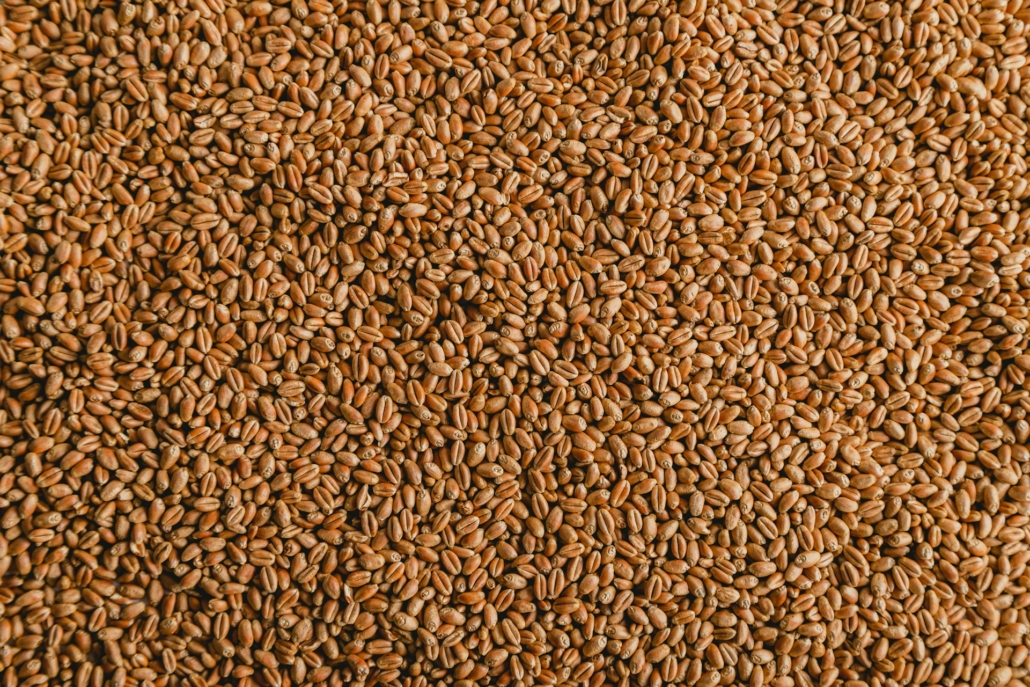
The future of wheat farming is being written right now in laboratories, research stations, and fields across Australia.
Wheat seeds have always been the foundation of successful agriculture, but the innovations happening today go far beyond traditional breeding methods. Genetic engineering is creating disease-resistant varieties. Climate science is producing seeds that thrive in drought conditions. Technology is helping farmers make smarter decisions about what to plant and when.
For Australian wheat growers, the right seed variety can mean the difference between a struggling crop and a profitable harvest, especially as weather patterns become less predictable and environmental challenges intensify.
This article explores the key innovations shaping wheat seed development. You’ll discover how genetic engineering is improving yields, why sustainable farming practices are influencing seed traits, and what climate-resilient varieties mean for your operation. We’ll also look at how technology is accelerating these developments and what you should expect in the coming years.
Advances in Genetic Engineering
Genetic engineering has transformed what’s possible in wheat seed development. Scientists can now enhance specific traits with precision that traditional breeding methods could never achieve.
CRISPR Technology
CRISPR gene-editing allows researchers to make targeted modifications to the wheat genome. The practical benefits are already visible on farms:
- Wheat strains resistant to specific pests, reducing the need for chemical pesticides
- Lower input costs for growers while supporting environmental health
- Improved nutritional content without sacrificing yield
The Next Wave of Development
Current research focuses on wheat varieties that can withstand harsh climate conditions. For Australian farmers facing increasingly unpredictable weather, these developments could fundamentally change what’s possible in marginal growing areas, including:
- Varieties optimised for extreme heat and prolonged drought
- Seeds designed for specific regional conditions, from coastal humidity to inland aridity
- Wheat that thrives in areas previously considered unsuitable for cultivation
As genetic tools become more sophisticated, creating wheat varieties tailored to your specific region becomes increasingly realistic.
Sustainable Farming Practices
Sustainability is driving the entire conversation about what makes a seed variety worth planting.
Soil Health and Nutrient Management
Wheat seeds that actively improve soil quality are changing long-term land management. These varieties promote better nutrient uptake, reducing dependence on synthetic fertilisers while maintaining productivity.
The benefits compound over time. Healthier soil means lower input costs and more resilient farming systems that can weather both environmental and economic challenges.
Water Efficiency
Water scarcity is a reality for many Australian wheat growers. New seed varieties are being developed specifically to thrive with less water.
These drought-tolerant varieties don’t just survive dry conditions. They maintain yields that make farming viable even when rainfall is below average. That difference matters when water allocations tighten and irrigation costs climb.
Supporting Biodiversity
Wheat varieties that integrate well with diverse ecosystems are increasingly valuable. These seeds support beneficial insects, work alongside companion crops, and contribute to balanced agricultural environments.
The result is farming systems that are more stable, more productive, and less vulnerable to pest outbreaks or disease. Better ecosystem health translates directly to more predictable yields.
Climate-Resilient Seed Varieties
Australian wheat growers are dealing with a perfect storm of environmental stressors that traditional varieties simply weren’t bred to handle:
- Extreme temperatures that stress crops during critical growth stages
- Prolonged drought periods
- Unpredictable rainfall patterns that make planning difficult
- Flash flooding that damages established crops
The need for seeds that can withstand these conditions isn’t theoretical. It’s essential for maintaining viable wheat production as weather patterns become less reliable.
Integration of Technology in Seed Development
Technology is accelerating wheat seed development in ways that seemed impossible a decade ago.
Data Analytics Driving Better Decisions
Researchers now analyse historical weather patterns and soil conditions to predict which seed traits will perform best in specific environments. This data-driven approach creates varieties tailored to local conditions rather than generic solutions that work adequately everywhere and excellently nowhere.
The precision matters. Seeds matched to your region’s specific challenges deliver better results with fewer inputs.
Drones and Real-Time Monitoring
Aerial monitoring has become standard in seed development trials. Drones capture real-time data on plant growth, stress responses, and performance variations across test plots.
This technology identifies promising varieties faster and eliminates poor performers earlier in the development process. What used to take years of field observations now happens in a single growing season.
Machine Learning Predicting Future Performance
Machine learning processes vast amounts of agricultural data to identify patterns humans might miss. These systems predict how seed varieties will perform under future climate scenarios, helping researchers prioritise traits that will matter most in coming decades.
The practical outcome is seed development that stays ahead of climate trends rather than constantly playing catch-up.
What This Means for Your Operation
The innovations happening in wheat seed development deliver real advantages you can implement on your farm today. Improved genetic traits, climate resilience, and smarter breeding practices translate directly to better germination rates, stronger crops, and more reliable yields across varying conditions.
But technology and innovation only matter if you’re working with a supplier you can trust to deliver what they promise.
Why Your Supplier Choice Matters More Than Ever
These advancements mean nothing if the seed shows up late, doesn’t match specifications, or leaves you without support when problems arise. The gap between what’s possible in seed technology and what arrives in your paddock depends entirely on who you’re working with.
Australian wheat growers need partners who combine cutting-edge seed varieties with old-fashioned accountability. Someone who answers the phone when issues arise. Who stands behind their quality with more than just marketing language. Who understands that your season’s success depends on the seed performing exactly as promised.
Working with Shepherd Grain
At Shepherd Grain, we’ve built our reputation on delivering superior wheat seed varieties with state-of-the-art treatment, backed by genuine accountability. We understand that farmers need more than product specifications. You need consistency, reliable germination, and suppliers who honour their commitments without excuses.
Our independently owned operation means you work directly with people who understand farming, not corporate call centres reading scripts. When you need advice on variety selection for your specific conditions, you get straight answers from experienced agronomists who care about your results.
Explore our wheat for sale and discover how the right supplier partnership can transform your operation this season and beyond.

