• My Account
(02) 5733 2822
  • 0Shopping Cart
Shepherd Grain | Grain Trading | Grain and Feed Trade | Australia
  • Home
  • About Us
  • Why Choose Us
  • Our Products
    • Chickpea
    • Wheat
    • Barley
    • Durum
    • Faba Beans
    • Mung Beans
  • Careers
  • News
  • Contact Us
  • Resellers Register
  • Search
  • Menu Menu
Wheat Seeds
Seeds, Wheat

What to Check Before Buying Wheat Seeds in Australia

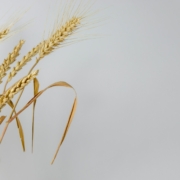
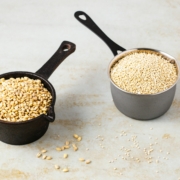
Before planting kicks into full gear, it’s a smart move to step back and look closely at your options for wheat seeds in Australia. A quick decision might get things moving faster, but that can lead to issues later if the seed doesn’t suit your setup. The right wheat seed isn’t just about what’s available; it has to line up with your paddocks, your rotation, and what you want out of the coming season.

Summer gives us some lead-up, and using that time well can mean fewer headaches later on. Whether you’re locking in new ground or building on last year’s rotation, a few key checks now can help avoid early setbacks. Here’s what we always look at before making a final seed pick.

Know Where Your Seed Comes From

Where wheat seed is grown and how it’s handled before getting to you have a big impact on how it performs. The seed’s background gives clues on pest and disease risks and can also tell you what kind of early season it’s likely to handle best.

  • Source location matters because disease pressure isn’t the same everywhere
  • Some regions may give cleaner, stronger seed with better early growth
  • Ask about how the seed was grown, cleaned, and stored before purchase

A well-handled seed batch usually avoids situations like damp storage or poor separation during cleaning. If those steps have been done right, you’re likely working with seed that’s closer to what it showed in testing. That makes early planning and chemical use more precise.

Growing regions across Australia vary a lot in what they offer. Some areas, with reliable rainfall, may help produce seed that is more uniform and robust. In other zones, browsing disease records can reveal if extra scrutiny is needed before bringing that seed into your program.

It’s helpful to talk regularly with suppliers about their seed handling methods and onsite conditions. Not all seed is produced under the same standards, so understanding the steps they use for cleaning, sorting, and keeping lots separate is a good way to make sure you’re not taking on unnecessary risk.

Look for Germination, Vigour and Purity

Seed quality starts with the basics, and three big ones always stand out: germination rate, vigour, and purity. Each of these gives its own bit of insight into how the seed will do once it’s in the ground.

  • A good germination result shows the seed is alive and ready to grow
  • Vigour gives a sense of how well it might perform under stress or uneven conditions
  • Purity matters for both crop quality and the level of clean-up needed later

Vigour often gets overlooked, especially when germination numbers look strong. But the two aren’t always tied. A seed lot might germinate well in perfect lab conditions but still struggle with weak establishment if vigour is low. That can show up as patchy crops, uneven maturity, and more work as the crop develops.

Purity matters for weed control, too. A small amount of contaminated seed can take a clean paddock backward if variety integrity or weed seeds are mixed in.

When reviewing germination test results, remember that scores reflect a controlled testing setup and might not match field conditions exactly. Lower temperatures, soil crusting, or unexpected moisture swings can all make a difference by the time seed actually goes into the ground. High vigour seeds provide extra insurance in those trickier paddock spots, getting plants up and away ahead of challenges.

Checking the purity percentage can also give you an edge in harvest planning, as cleaner seed lots usually help with smoother harvest runs and less risk of extra dockage.

Make Sure the Seed Matches Your Paddock

Not every wheat variety works on every paddock. What suits one area or system may not fit another, even on the same farm. Matching the seed to your situation helps avoid timing clashes or management headaches.

  • Plan around rainfall patterns, soil type, and frost risks
  • Consider herbicide programs and what has been used in the last rotation
  • Watch for carryover issues with certain chemistry, especially if seasons have been dry

Some varieties are quick to mature and can match shorter growing windows. Others are better for slower paddocks or spots where moisture hangs around longer. Take a close look at how the seed’s performance lines up with the block you plan to plant.

We often work around longer-term goals too, like improving soil health or breaking up disease cycles. That matters when planning which seed to use where and how long the window is for spraying and passes under the boom.

Different paddocks can have unique histories and risk factors. If a certain area has had a problem with a particular weed in the past, that may affect your variety choice or the seed rate you use. Likewise, consider if a paddock has higher frost risk or struggles with drainage after heavy rain. These details will help you fine-tune your variety plans to avoid surprises at sprouting and heading.

Thinking ahead about what’s been done before also matters. Knowing what chemicals have been applied in past seasons can save trouble with crop safety, especially if you’re swapping between grain and pasture phases.

Consider Seed Treatment Options and Storage Plans

Seed treatment plays a key role, especially if you expect higher pressure from pests or carryover disease. Some paddocks see more risk than others depending on past crops and stubble loads, and treated seed can make a big difference in those spots.

  • Seed treatments help reduce early pest and disease issues at emergence
  • Not all treatments are equal, the quality and method of application matter
  • Think through how you’ll handle and store seed between now and sowing

It’s easy to underestimate the effect of storage on seed. A clean shed with good airflow and low humidity will help seed hold its vigour longer. Poor storage, even for a few weeks, can undo the work done during seed cleaning and treatment. If you’ve got treated seed, don’t mix batches or store it in bins previously used with untreated seed unless fully cleaned.

Seed safety is about more than yield protection; it’s about making sure the right setup is in place to avoid issues when conditions swing quickly between ordering and sowing.

Pick a treatment that fits your paddock risk. Some products focus on insects, while others tackle diseases that show up below ground. Talk with your supplier about application accuracy, as uneven treatment can create thin areas in the paddock during emergence.

Once your seed is treated, storage and handling become more important. Treated seed needs to stay dry and cool, with bags and bins labelled to prevent mix-ups. Shifting batches too often or storing in high-moisture spots can lower vigour and undo your early planning. A bit of extra care here helps ensure the effort in treating doesn’t go to waste.

Plan Smarter for a Productive Season

Shepherd Grain sources and supplies a variety of wheat options suited for Australian conditions. All grain offerings are handled and stored with strict attention to quality, so growers get reliability at every step. Choosing the right wheat seed is easier with a transparent, simple supply chain that backs up every purchase.

Getting ahead now helps smooth out the weeks leading into sowing. The focus at Shepherd Grain is always on supporting customers, from getting the best match for their paddocks to offering advice on seed management and placement. By giving yourself time to check seed quality, think through placement, and get storage sorted, you’re dodging the kinds of late decisions that often lead to costly problems.

Choosing the right wheat seeds in Australia can impact the success of your upcoming rotation, and our team at Shepherd Grain is here to help every step of the way. We carefully assess each seed variety, from how it’s produced to how it’s stored, so you know precisely what you’re planting. Get in touch with us to discuss the best options for your paddocks this season.
January 28, 2026/by admin
https://shepherdgrain.com.au/wp-content/uploads/2026/01/Wheat-Seeds.jpg 1280 1920 admin https://shepherdgrain.com.au/wp-content/uploads/2021/01/[email protected] admin2026-01-28 17:00:532026-01-12 05:24:33What to Check Before Buying Wheat Seeds in Australia
Wheat
Wheat

Why Bulk Wheat Storage Needs to Start Before Autumn Hits

When summer’s in full swing, it’s easy to put off thinking about wheat storage. The crops are out, the weather’s warm, and there’s plenty going on. But the truth is, waiting too long to get bulk wheat storage sorted can cause stress later. Getting ahead of storage before autumn hits can mean fewer problems, better grain condition, and more breathing room for the season ahead.

Bulk wheat doesn’t look after itself, even when the bins are sealed and tucked away. Wheat can spoil quickly if storage isn’t clean, dry, and set up to handle seasonal shifts. Mould, pests, or heat build-up can all creep in quietly if the basics aren’t handled early. That’s why having a plan now, while conditions are still stable, can make all the difference when the cooler months arrive.

Getting the Timing Right Before Autumn

Summer gives us the best window to get ready. Everything from storage gear to grain transport runs more smoothly when the weather is dry and predictable. Once autumn sets in, rainfall and cooler nights can sneak up fast and mess with both timing and quality.

  • Starting early keeps you in control of delivery times without rushing
  • There’s more time to clean out old bins, make repairs, or add new equipment
  • You can space out storage and transport steps instead of squeezing everything into a few wet days

Planning early takes the stress out of last-minute decisions. It gives some freedom to deal with unexpected delays, like truck hold-ups or breakdowns. By the time autumn arrives, you want your bulk wheat where it needs to be, without scrambling to make space or manage problems caused by waiting too long.

Key Parts of a Good Storage Setup

Not all wheat storage is built the same. But there are a few core things every setup needs, no matter where it’s being used. Getting these right during summer means you’re not trying to make changes with rain overhead or mud underfoot.

  • Air movement is key. Fans or aeration help avoid hot spots and moisture pockets
  • Clean bins are a must. Old grain or dust can attract insects or start rotting before you know it
  • Storage location matters. Grain stored on higher, well-drained sites tends to keep better over time

Even details like access roads, power setups, and how close bins are to field exits matter more than many realise. A bit of storage planning while the sun is out can make transport, loading, and later checks faster and safer once the season turns.

How Weather Affects Wheat Quality

Weather doesn’t just change how we work. It affects how wheat holds up over time. Warm weather on its own might be fine, but add moisture and cool nights and things can change fast. Since wheat might be stored for months, what seems like a small risk now can become a big deal later.

  • Humid air speeds up spoilage, especially if airflow is blocked
  • Heat stored in the grain mass can stay trapped without cooling systems
  • High moisture levels can hurt germination, which matters if wheat is repurposed for seed

From mould to sprouting, damage can sneak in long before you open the bin. That’s why early storage planning helps you get ahead of bad weather rather than reacting too late. Letting conditions shape your decisions instead of your setup is asking for trouble.

Common Mistakes to Avoid When Storing Early

Sometimes we see jobs started with the best of intent that go wrong because of some small oversights. Taking the time to check things properly can save hours down the track.

  • Skipping bin cleanouts before pouring in new grain
  • Forgetting to test fans or check seals on lids and outlets
  • Storing more than the setup can handle, leaving no airflow at the top

Another common issue is skipping bin checks once wheat is stored. Just because the lid’s on doesn’t mean the job’s done. Weekly walk-arounds and temperature checks can spot small problems before they turn into big ones. Getting these habits right from the start of the season puts you in front.

The Benefits of Planning Storage With Expert Support

There’s a lot to consider once we start looking at storage from end to end. From how the bins should be cleaned, to how we prepare the grain before it goes in, a bit of expert advice can go a long way.

  • Working with someone who knows storage means fewer unknowns
  • Small improvements like airflow systems or seed treatment advice can make a noticeable difference
  • Planning ahead lets us line up wheat storage with other jobs like transport or planting

We are an independently owned Australian company focused on quality grain management and storage, with a strong track record supporting local growers. Our business is committed to helping producers store and deliver grain efficiently to meet diverse commercial requirements.

Even if the storage itself looks the same, how it’s managed can change how much of the crop stays in good nick. Getting the right advice early means avoiding problems that take longer and more effort to fix later.

Set Yourself Up for Success: Early Wheat Storage Pays Off

Starting bulk wheat storage early doesn’t just check off a job list. It frees up time for the other work that always piles up as the season clicks over. When bins are ready, the grain goes where it needs to, the equipment holds up under pressure, and the grain stays ready for whatever’s next.

We never know exactly how each season will run, but we’ve seen that the growers who get ahead early tend to finish strong. The decisions we make now can shape the months ahead. A tidy, well-vented, and well-timed storage setup makes everything from handling to quality just that bit easier.

Plan Smart, Store Better

Keeping things running smoothly across the grain season starts with early and effective storage preparation. From maintaining seed quality to regular bin checks and transport planning, a solid plan now prevents bulk tasks from piling up later. As you handle large volumes of grain this year, take the opportunity to review how your setup supports proper bulk wheat storage before conditions change. At Shepherd Grain, we believe staying ahead makes all the difference. Reach out to us to discuss your grain storage strategy.

January 14, 2026/by admin
https://shepherdgrain.com.au/wp-content/uploads/2026/01/Wheat.jpg 1280 1920 admin https://shepherdgrain.com.au/wp-content/uploads/2021/01/[email protected] admin2026-01-14 17:00:512026-01-07 02:01:18Why Bulk Wheat Storage Needs to Start Before Autumn Hits
Barley Seeds
Barley

How to Identify High-Vigour Barley Seeds for Planting

Getting the right start with barley means knowing what you’re putting in the ground. We’re often asked how to pick the best barley seeds for planting, especially during this time of year when planning starts to take shape. Summer gives us a good chance to step back and assess, so we’re not scrambling later when planting picks up. Choosing seed that shows strong early promise can help crops push through the first few weeks without trouble. Not all seed is equal, and knowing what to look for can sharpen your decisions before trucks start rolling and machines fire up.

There’s always a bit of pressure around picking seed. With weather being unpredictable and timelines shifting, it helps to have a simple checklist of what matters. Vigour stands out as one of the big things that tells us if seed is likely to come up fast and even. Here’s what to keep in mind when looking for signs your barley seed is ready to perform from day one.

What Makes a Barley Seed High-Vigour?

Vigour isn’t just about how fast a seed grows. It’s about how well that seed can handle stress. Heat, cold snaps, patchy moisture, rough handling—high-vigour seed is the kind that bounces back. It pushes through the soil with more strength and tends to keep more even rows across the paddock.

It’s easy to mix up vigour with things like germination rate or purity. Those are still worth checking, but they tell different parts of the story. A high germination rate means seeds are alive and ready to grow, but it doesn’t show how well they’ll push through crusted soil or stand up to tough starts.

Strong emergence is tied closely to vigour. If seedlings pop up at the same time and hold their size, it points to seed that’s been bred, handled, and stored well before reaching you. That head start can make a big difference when managing inputs or trying to time passes between rain events.

Simple Signs of Strong Seed Quality

Much of what makes a seed perform can’t be seen without gear, but there are a few things we can look for by eye or feel.

  • Seeds should be plump, smooth, and fairly uniform in size
  • Shriveled, cracked, or discoloured grains suggest stress or old age
  • A musty smell or damp touch can point to poor storage or weather damage

Seeds that have been sitting in poorly sealed sheds can take in moisture, even if the outside looks dry. That can be hard to spot straight away, but ones that clump together or have a faint smell might carry a higher risk of early failure in the ground.

Damaged seed often comes from rough handling or long transport. If you’re seeing broken tips or rubbed patches on the grain, that can lower both vigour and germination. It’s worth checking a sample from the middle of the bag or bin, not just the top layer.

Why Seed Source and Treatment Matter

One of the biggest influences on seed performance is how it’s been handled before it gets to the paddock.

Where seed is sourced tells us a lot about the growing and storage conditions behind it. Reliable seed comes from clean, well-managed areas where disease pressure and moisture problems are low. If the seed’s been kept cool, dry, and well-protected, there’s a better chance it still holds high vigour by planting time.

Seed breeding isn’t just about yield. Newer varieties often have stronger early growth and better defence against disease or stress. That edge matters most when the start of the season is patchy or late.

Seed with proper treatment tends to hold up better. A good treatment can guard against early rot or insect risk, giving young plants time to build strength before conditions turn rough. That’s especially helpful when moisture levels dip or spread unevenly across the paddock.

Shepherd Grain supplies barley seed that is tested for high purity and germination. Barley varieties available through Shepherd Grain are chosen for reliable performance in changing Australian conditions, with seed quality control a top priority.

The Role of Testing and Professional Support

Regular tests take away the guesswork. A germination test can show what portion of your seed is active, but a vigour test adds more depth. It checks how strongly and quickly seed can perform when things aren’t ideal.

It’s one thing to have a bag that shows 95% germination, but if only half of those manage fast, even growth, that delay can ripple through the season. Patchy establishment means patchy yields, and more effort down the line to deal with weeds or resowing.

Lab testing gives a clearer window into what you’re planting. And because strong vigour isn’t always easy to pick by sight, working with someone who knows what to look for can save time and hassle.

Matching the seed to the needs of the paddock often calls for some advice. That might include soil history, inputs, stubble loads, or whether the land’s been fallowed. A second set of eyes often helps fill in the gaps we might miss when juggling seven other jobs at once.

Signs You’re Set for a Strong Start

High-vigour barley seed usually stands out for a few core reasons:

  • Healthy, unbroken shape with consistent size
  • No off smells, mould specks, or damp patches
  • Sourced from clean regions with the right storage history
  • Backed by lab tests showing fast early growth

When a crop starts even, it often stays even. That cuts down rework later on. It also gives better timing to manage nutrition and weeds without chasing inconsistent patches across every paddock.

Planning now lets us flag issues or adjust before harvest plans make time short. Sorting your barley seeds for planting early across summer clears the decks before conditions push in harder. That breathing room can be a big advantage once trucks start moving and time gets tight.

Get the Best Start With Proven Barley Seed

Starting the next season with high-vigour, clean barley seed can make a real difference across Australian farms. With a strong network of grower suppliers, Shepherd Grain focuses on seeds chosen for adaptability and field-tested strength throughout key regions. Reliable seed is a cornerstone of consistent production and helps deliver results even if conditions are tough.

Planning ahead for summer crops means starting with seed built to perform. Conditions can change quickly, so choosing the right variety with strong traits truly matters. Check out our current barley seeds for planting to give your crop the best start. At Shepherd Grain, we source and supply seed with high purity, proven vigour, and reliable performance. If you have questions or want to discuss your paddock needs, give us a call.

January 11, 2026/by admin
https://shepherdgrain.com.au/wp-content/uploads/2026/01/Barley-Seeds.jpg 1280 1920 admin https://shepherdgrain.com.au/wp-content/uploads/2021/01/[email protected] admin2026-01-11 17:00:562026-01-13 07:09:13How to Identify High-Vigour Barley Seeds for Planting
Wheat Seed
Wheat

Future Trends in Wheat Seed Development: A Look Ahead

Wheat seeds are at the heart of agricultural innovation, paving the way for healthier and more productive harvests. As we look to the future, it is exciting to explore the evolving trends that shape wheat seed development. Understanding these trends helps farmers adapt to changes and ensures continued success in farming.

Staying informed about the latest advancements can lead to better decision-making on the farm. The development of wheat seeds has always been crucial in agriculture, providing solutions to various challenges. By examining current and emerging trends, we can see how advancements in technology, genetic engineering, and sustainable practices are leading the charge.

Advances in Genetic Engineering

The field of genetic engineering has made significant strides in developing superior wheat varieties. These advancements have enabled scientists to enhance desirable traits in wheat, such as disease resistance and increased yield, making cultivation more efficient and reliable.

In recent years, innovations like CRISPR technology have allowed for precise modifications to the wheat genome. This technology facilitates the introduction of beneficial traits while reducing dependence on chemical inputs. One notable example includes the development of wheat strains that resist specific pests, reducing the need for pesticides. This not only benefits the environment but also helps cut costs for growers.

Looking ahead, the potential for genetically modified wheat seeds continues to expand. Research is being conducted to develop wheat that can withstand harsh climate conditions, potentially revolutionising farming in areas prone to extreme weather. As genetic tools become more refined, the promise of creating wheat varieties tailored to specific regional needs becomes more tangible.

Sustainable Farming Practices

Sustainable farming practices are reshaping how wheat seed development is approached. With an increasing focus on environmental impact, sustainable techniques play a vital role in influencing the future of seed development.

– Soil Health: Maintaining soil health is crucial in sustainable farming. Wheat seeds that enhance soil quality are being developed, promoting better nutrient uptake and reducing the need for synthetic fertilisers.

– Water Management: Efficient water use is essential for sustainability. New seed varieties are being created to thrive with less water, supporting conservation efforts and enabling farming in water-limited regions.

– Biodiversity: Encouraging biodiversity is key in sustainable agriculture. Wheat varieties that integrate well with diverse ecosystems are increasingly sought after, contributing to a balanced environment.

The relationship between these new seed varieties and sustainable farming is symbiotic. As sustainable practices evolve, they guide seed development to create more resilient agricultural systems. Farmers can look forward to future methods that further reduce their environmental footprint while ensuring robust yields.

Climate-Resilient Seed Varieties

As the climate changes, developing wheat seeds that can thrive in unpredictable weather becomes increasingly important. Farmers face challenges such as extreme temperatures, drought, and unexpected rainfall, all of which can impact crop yields. There is a growing need for seeds that can withstand these conditions, ensuring a steady supply of wheat regardless of climatic fluctuations.

Recent progress in this area includes breeding wheat that better endures high heat and drought. These resilient varieties are becoming more common in regions susceptible to such extremes, helping stabilise yields year after year. For instance, some regions with arid climates have seen success with specially bred wheat that conserves water better than traditional varieties while maintaining productivity.

Looking forward, advancements will likely focus on further enhancing drought tolerance and developing seeds tailored for different environmental conditions. By prioritising these developments, wheat farmers can better protect their crops against the uncertainties of nature, paving the way for a more secure agricultural future.

Integration of Technology in Seed Development

Technology is transforming wheat seed development, bringing new opportunities to optimise growth and maximise yield. Innovations like drone technology, data analytics, and machine learning play significant roles in advancing research and development efforts in agriculture.

– Data Analytics: By analysing historical weather patterns and soil conditions, researchers can predict which seed traits offer the best growth potential in specific environments. This helps tailor seeds to match local conditions more precisely.

– Drones: These devices are now common for monitoring crop health from above, offering real-time data on plant growth and identifying any areas of concern.

– Machine Learning: This aspect of technology processes vast amounts of data to highlight trends and predict future conditions, aiding in the selection of desirable traits for seed development.

Future technological innovations will continue to accelerate wheat seed advancements. By harnessing cutting-edge tools, agricultural scientists can develop better-performing seeds, assisting farmers in achieving optimal harvests with fewer resources.

What Farmers Should Expect

As these trends evolve, farmers can expect a future with more efficient and reliable wheat seeds on offer. The improvements in genetic engineering, sustainability, and climate adaptability promise not only to boost yields but also to promote an environmentally conscious approach to farming. These seeds will stand up better to both time and weather, reducing the risks traditionally borne by farming.

Adapting to these changes will allow farmers to be proactive, preparing them for the challenges of tomorrow. Staying informed about these trends positions them at the forefront of agricultural innovation, prepared to implement solutions that enhance productivity while caring for the planet.

Farmers should look out for ongoing developments that align with their needs, taking advantage of the latest offerings to stay ahead. As these advancements continue to unfold, leveraging them will support sustained success and growth.

Embrace the future of farming with confidence by exploring the latest advancements in wheat seed technology. Discover how Shepherd Grain’s expertise and innovative practices can support your agricultural journey. Learn more about the latest developments and explore our wheat for sale to enhance your farming success.

January 7, 2026/by admin
https://shepherdgrain.com.au/wp-content/uploads/2025/12/Wheat-Seed.jpg 1280 1920 admin https://shepherdgrain.com.au/wp-content/uploads/2021/01/[email protected] admin2026-01-07 17:00:512025-12-19 04:24:21Future Trends in Wheat Seed Development: A Look Ahead

Archives

  • February 2026
  • January 2026
  • December 2025
  • November 2025
  • October 2025
  • September 2025
  • August 2025
  • July 2025
  • June 2025
  • May 2025
  • April 2025
  • March 2025
  • February 2025
  • January 2025
  • December 2024
  • November 2024
  • October 2024
  • September 2024

Categories

  • Barley
  • Chickpea
  • Faba Bean
  • Germination
  • Mung Bean
  • News
  • Seeds
  • Wheat

Donec pede justo

Lorem ipsum dolor sit amet, consectetuer adipiscing elit. Aenean commodo ligula eget dolor.

Aenean massa. Cum sociis natoque penatibus et magnis dis parturient montes, nascetur ridiculus mus.

Our location

Shepherd Grain Logo
  • (02) 5733 2822

  • 0418 823 523

  • [email protected]

  • 122 Burrington Rd
    Moree NSW 2400, Australia

© 2026 Copyright – Shepherd Grain | Privacy Policy |  Website By: YDS

Scroll to top
Apply Now

  • Drop files here or
    Max. file size: 5 MB, Max. files: 3.
    View Cart Checkout Continue Shopping