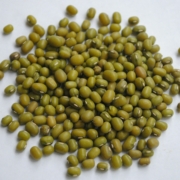
Spring might still be a little way off, but the planning starts now. If mung beans are part of your season ahead, then working out your seed order early can take a lot of pressure off later. Timing makes a real difference when it comes to mung beans seeds, both for getting the variety you want and staying ahead of supply hiccups.
Late orders or last-minute changes cause extra stress. That’s especially true when demand picks up or freight runs tight. If paddocks are already prepped and the seed isn’t on the farm, that planting window starts to close quickly. By thinking things through early, we make more space for sharper decisions and fewer headaches.
Understanding Spring Crop Lead Times
Spring planting doesn’t come with much wiggle room. Once the weather and soil start to line up, there’s a short stretch of days or weeks where everything needs to happen at once. That’s where lead times can become a problem if they weren’t factored in sooner. The pressure builds in the following areas:
- Wet soil or cooler temps can push spring dates forward or back, and when that happens, seed availability becomes a lot more competitive.
- Load times get longer during peak season since everyone’s moving gear and grain at the same time. Early freight bookings get priority, while late ones fight for space.
That’s why waiting until paddocks are ready isn’t the best time to be thinking about what seed you need. By then, everyone’s doing it, and suppliers are already under pressure.
Planning a little earlier gives us more time to match the weather with the delivery window and stops those potential delays turning into lost planting days.
Why Mung Beans Take More Planning
Mung beans can be a high-return spring crop, but they run on a tight calendar. Getting the timing right from the start can make or break the harvest later on. What’s at stake:
- The season is short, and these crops like warm, settled conditions. If we miss the window at the front end, harvest can start pushing into hotter, drier weather that affects quality.
- Many growers need specific mung bean types to match soil, paddocks or customer specs. That limits the replacement options if availability drops late.
Waiting until the last minute to sort these things often leads to fewer seed options. And sometimes, none of the right ones are left.
What Can Go Wrong With Late Orders
Every season has its share of curveballs, but a late order just adds more risk. Spring moves fast, and losing time to supply hiccups can put the whole season on the back foot. The usual failure points:
- Freight delays are common with tight schedules. If trucks are booked or roads are bogged, it doesn’t take long for one day’s delay to roll into a week.
- Paddocks get missed if the seed doesn’t show up in time or gets held up for cleaning or treatment.
- Clean, high-performing seed is usually spoken for early. Shortages hit quickly once demand spikes, especially if the season opens early across a few regions.
Even your best paddocks can lag behind if they’re planted later than planned. And when harvest runs late, that forces you to work around timing clashes with other crops or market deliveries.
How Earlier Orders Help Everyone Stay Ahead
Getting ahead of the rush opens up better options and smoother steps all the way through. Where the gains are:
- Early talks give us space to line up what seed suits your paddock and project the season ahead based on where it’s coming from.
- There’s time for cleaning, proper treatment and full testing, none of which should be rushed if we want strong, uniform crops.
- Our end buyers are looking for predictability. When we start early, we can meet their quality benchmarks with a lot more confidence and fewer compromises.
Tight schedules will always be part of spring, but we can loosen the pressure by starting earlier. That way, our supply chain moves with us instead of against us.
At Shepherd Grain, we source and clean mung bean seeds from trusted Australian growers, matching lot types to paddock and market needs. We work with each client to ensure that treatments, testing and documentation are lined up before rapid spring movement begins, supporting growers with reliable logistics so planting stays on schedule.
Strong Starts Make for Better Spring
When we order mung bean seeds with time to spare, we give ourselves the best shot at a cleaner season. It’s about setting the tempo for everything that follows.
It helps to think through what makes a strong start. For some, it’s the right variety that matches the ground conditions, for others it’s all about lining up seed treatments so crops face less early pressure. Each step, talking through paddock conditions, picking seed varieties, confirming freight windows, gets simpler when we aren’t watching the clock. And when crops go in without delays, we’ve already cleared one big piece of the spring puzzle.
Smooth planting unlocks better follow-through across the whole cropping program. A paddock sown at the right moment means there’s less rush at other key times, like when it’s time to spray or harvest. Each part flows more easily, and other crops or farm returns don’t get squeezed out by poor timing. A smoother start leaves room to manage whatever weather throws our way. It also helps your buyers know what to expect and when. That trust often begins before a single plant goes in the ground.
Get Ready for Spring Success With Early Planning
Getting mung beans in the ground on time starts with having the right seed ready ahead of schedule. That’s why we always encourage putting serious thought into planning and variety selection well before paddocks are prepped. When you’re looking to add mung beans seeds to your spring rotation, now’s the time to start lining things up. At Shepherd Grain, we support early decisions that lead to stronger results. Get in touch to discuss what suits your season best.