

What to Check Before Buying Wheat Seeds in Australia
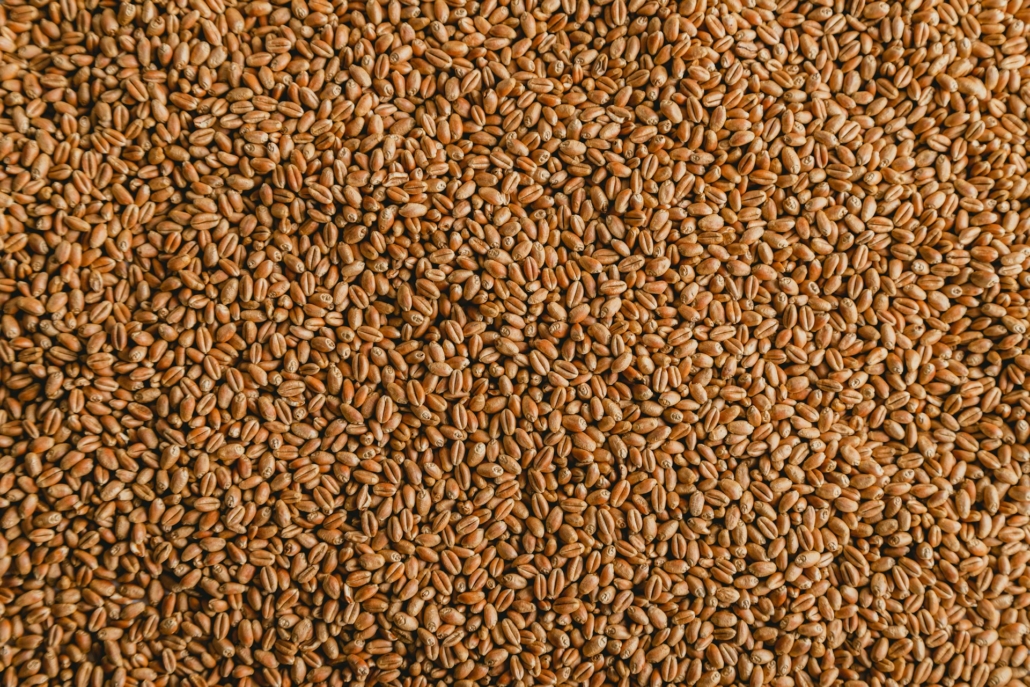
Before planting kicks into full gear, it’s a smart move to step back and look closely at your options for wheat seeds in Australia. A quick decision might get things moving faster, but that can lead to issues later if the seed doesn’t suit your setup. The right wheat seed isn’t just about what’s available; it has to line up with your paddocks, your rotation, and what you want out of the coming season.
Summer gives us some lead-up, and using that time well can mean fewer headaches later on. Whether you’re locking in new ground or building on last year’s rotation, a few key checks now can help avoid early setbacks. Here’s what we always look at before making a final seed pick.
Know Where Your Seed Comes From
Where wheat seed is grown and how it’s handled before getting to you have a big impact on how it performs. The seed’s background gives clues on pest and disease risks and can also tell you what kind of early season it’s likely to handle best.
- Source location matters because disease pressure isn’t the same everywhere
- Some regions may give cleaner, stronger seed with better early growth
- Ask about how the seed was grown, cleaned, and stored before purchase
A well-handled seed batch usually avoids situations like damp storage or poor separation during cleaning. If those steps have been done right, you’re likely working with seed that’s closer to what it showed in testing. That makes early planning and chemical use more precise.
Growing regions across Australia vary a lot in what they offer. Some areas, with reliable rainfall, may help produce seed that is more uniform and robust. In other zones, browsing disease records can reveal if extra scrutiny is needed before bringing that seed into your program.
It’s helpful to talk regularly with suppliers about their seed handling methods and onsite conditions. Not all seed is produced under the same standards, so understanding the steps they use for cleaning, sorting, and keeping lots separate is a good way to make sure you’re not taking on unnecessary risk.
Look for Germination, Vigour and Purity
Seed quality starts with the basics, and three big ones always stand out: germination rate, vigour, and purity. Each of these gives its own bit of insight into how the seed will do once it’s in the ground.
- A good germination result shows the seed is alive and ready to grow
- Vigour gives a sense of how well it might perform under stress or uneven conditions
- Purity matters for both crop quality and the level of clean-up needed later
Vigour often gets overlooked, especially when germination numbers look strong. But the two aren’t always tied. A seed lot might germinate well in perfect lab conditions but still struggle with weak establishment if vigour is low. That can show up as patchy crops, uneven maturity, and more work as the crop develops.
Purity matters for weed control, too. A small amount of contaminated seed can take a clean paddock backward if variety integrity or weed seeds are mixed in.
When reviewing germination test results, remember that scores reflect a controlled testing setup and might not match field conditions exactly. Lower temperatures, soil crusting, or unexpected moisture swings can all make a difference by the time seed actually goes into the ground. High vigour seeds provide extra insurance in those trickier paddock spots, getting plants up and away ahead of challenges.
Checking the purity percentage can also give you an edge in harvest planning, as cleaner seed lots usually help with smoother harvest runs and less risk of extra dockage.
Make Sure the Seed Matches Your Paddock
Not every wheat variety works on every paddock. What suits one area or system may not fit another, even on the same farm. Matching the seed to your situation helps avoid timing clashes or management headaches.
- Plan around rainfall patterns, soil type, and frost risks
- Consider herbicide programs and what has been used in the last rotation
- Watch for carryover issues with certain chemistry, especially if seasons have been dry
Some varieties are quick to mature and can match shorter growing windows. Others are better for slower paddocks or spots where moisture hangs around longer. Take a close look at how the seed’s performance lines up with the block you plan to plant.
We often work around longer-term goals too, like improving soil health or breaking up disease cycles. That matters when planning which seed to use where and how long the window is for spraying and passes under the boom.
Different paddocks can have unique histories and risk factors. If a certain area has had a problem with a particular weed in the past, that may affect your variety choice or the seed rate you use. Likewise, consider if a paddock has higher frost risk or struggles with drainage after heavy rain. These details will help you fine-tune your variety plans to avoid surprises at sprouting and heading.
Thinking ahead about what’s been done before also matters. Knowing what chemicals have been applied in past seasons can save trouble with crop safety, especially if you’re swapping between grain and pasture phases.
Consider Seed Treatment Options and Storage Plans
Seed treatment plays a key role, especially if you expect higher pressure from pests or carryover disease. Some paddocks see more risk than others depending on past crops and stubble loads, and treated seed can make a big difference in those spots.
- Seed treatments help reduce early pest and disease issues at emergence
- Not all treatments are equal, the quality and method of application matter
- Think through how you’ll handle and store seed between now and sowing
It’s easy to underestimate the effect of storage on seed. A clean shed with good airflow and low humidity will help seed hold its vigour longer. Poor storage, even for a few weeks, can undo the work done during seed cleaning and treatment. If you’ve got treated seed, don’t mix batches or store it in bins previously used with untreated seed unless fully cleaned.
Seed safety is about more than yield protection; it’s about making sure the right setup is in place to avoid issues when conditions swing quickly between ordering and sowing.
Pick a treatment that fits your paddock risk. Some products focus on insects, while others tackle diseases that show up below ground. Talk with your supplier about application accuracy, as uneven treatment can create thin areas in the paddock during emergence.
Once your seed is treated, storage and handling become more important. Treated seed needs to stay dry and cool, with bags and bins labelled to prevent mix-ups. Shifting batches too often or storing in high-moisture spots can lower vigour and undo your early planning. A bit of extra care here helps ensure the effort in treating doesn’t go to waste.
Plan Smarter for a Productive Season
Shepherd Grain sources and supplies a variety of wheat options suited for Australian conditions. All grain offerings are handled and stored with strict attention to quality, so growers get reliability at every step. Choosing the right wheat seed is easier with a transparent, simple supply chain that backs up every purchase.
Getting ahead now helps smooth out the weeks leading into sowing. The focus at Shepherd Grain is always on supporting customers, from getting the best match for their paddocks to offering advice on seed management and placement. By giving yourself time to check seed quality, think through placement, and get storage sorted, you’re dodging the kinds of late decisions that often lead to costly problems.
Choosing the right wheat seeds in Australia can impact the success of your upcoming rotation, and our team at Shepherd Grain is here to help every step of the way. We carefully assess each seed variety, from how it’s produced to how it’s stored, so you know precisely what you’re planting. Get in touch with us to discuss the best options for your paddocks this season.

