

When to Use Barley for Feed or Grain Markets
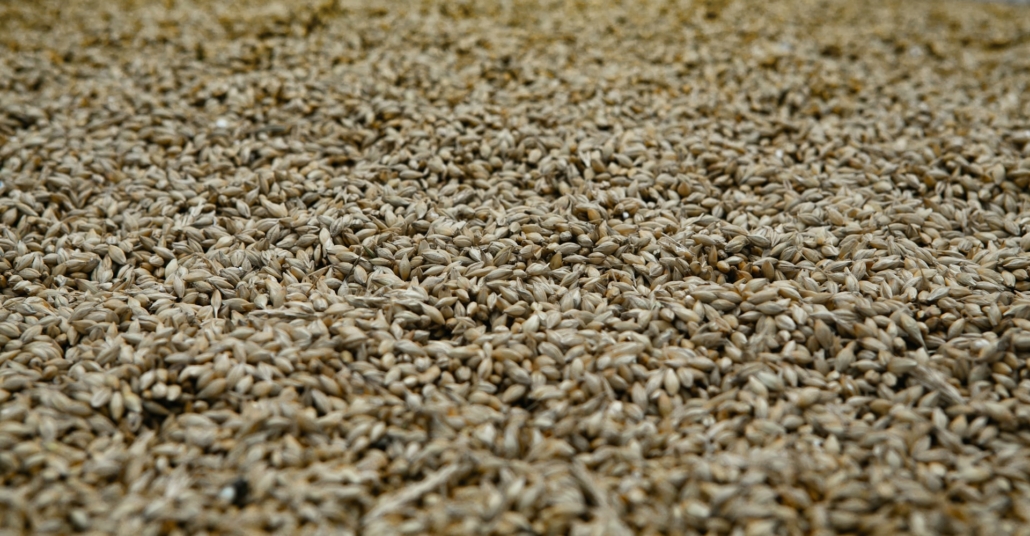
Deciding whether you’re growing for feed or grain isn’t something you leave until the header rolls. The choice shapes everything from variety selection to fertiliser rates to when you actually pull the trigger on sowing.
The barley market splits pretty cleanly: malt for brewers and millers, or feed for livestock. Each path has different quality specs, different price points, and different ways of biting you if you get it wrong.
Malt barley is fussy. Protein ranges, moisture levels, grain size. Step outside those specs and you’re watching premium money turn into feed prices at the weighbridge. Feed barley gives you more room to move, but that doesn’t mean you can just throw it in and hope.
The paddock you pick, the seed you choose, and how the season breaks will all push your crop one direction or the other. If you’re looking at options for feed barley for sale this season, or trying to work out which direction makes sense for your rotation, understanding how both markets operate helps you make the right call.
Understanding the Two Paths: Feed vs Grain
Feed and malting barley don’t end up in the same market, so they’re not grown the same way. The end use sets the quality specs, and those specs can be miles apart.
Feed barley is more forgiving. Basic weight, colour, and protein levels. Keep it clean and sound, and it’ll find a buyer.
Malt barley is a different beast. Strict protein bands, moisture limits, grain size requirements. Step outside those ranges and you’re getting feed prices whether you like it or not.
If you’re chasing malt, pick paddocks with solid fertility and reliable moisture. Feed barley gives you more latitude on site selection and sowing windows, particularly in marginal country or seasons looking sketchy from the start.
Match your ground to your goal early. Some paddocks push quality crops naturally. Others are better suited to consistent feed production without the stress. Get your seed choice and fertiliser program lined up with where you’re heading, and you’ll hit market specs when it counts.
Seasonal Timing and Market Shifts
What the season throws at you often decides what crop you’ve really got, regardless of what you planned in April.
A dry finish kills protein development and grain fill. Malt crops end up as feed.
Late heavy rain brings colour issues or sprouting. Neither helps when you’re chasing tight grain specs.
Some years, aiming for feed from day one makes more sense. Late sowing dates, warm dry forecasts, marginal country. Reading the season early keeps your options realistic.
Flexibility helps crops hold value even when things don’t go to plan. If you can delay the final call and keep the crop healthy, you might swing between feed and grain closer to harvest depending on how conditions land. It’s worth chatting to your buyers early so you know what quality they’re after.
How Paddock Planning Influences Market Direction
The paddock itself plays a big role in how well barley meets either market. Some paddocks consistently push malt quality. Others are better suited to reliable feed production.
Soil type shifts growth and grain quality. Lighter soils can limit malt barley unless you’re on top of inputs. Heavier country holds moisture better and pushes quality more consistently.
Fertiliser planning is critical. Too much nitrogen pushes protein above malt limits. Too little and you won’t get decent grain fill even for feed.
Variety choice matters. Some barley lines are bred for malt and perform best in high yield zones. Others handle broader conditions and land in feed markets more reliably.
Line up your paddock, seed variety, and season goal early. It keeps more options open when the crop hits grain fill. Early decisions shape what you can actually do later.
Think about your rotation. What was in the paddock last year and what’s going in next matters. Some barley types set the ground up better for following crops. If you know your country, you can adjust sowing depth, seeding rates, and harvest timing to match your actual goal.
What to Know If You’re Looking at Feed Barley
Even if feed is the plan from the start, buyers still want clean, strong feed grade barley that stores well and handles transport.
Good setup means:
Seed with high vigour and purity gives you an even crop, which makes harvest and grading easier.
Paddocks with decent airflow and drainage reduce weather stress and late disease pressure.
Sowing windows that let barley finish before deep summer hits improve grain weight and avoid heat damage.
If you’re looking at feed barley for sale, think about how the season ahead shapes that decision. Picking the right seed now keeps your paddock setup balanced, even without chasing premium grain specs.
Feed types give you more leeway in rough seasons. Focus on keeping the crop healthy and pushing yield. Basic feed specs are easier to meet. Solid post harvest storage keeps grain in shape and ready for sale, whether you’re moving it straight after harvest or waiting for better prices.
Long Term Strategy: Choosing for Rotation and Returns
Beyond just the current season, barley types help balance your full rotation. Feed or grain, what you choose leaves behind traits that matter past harvest.
Feed barley often gives good straw cover and ground protection after cutting. It helps with moisture retention and summer weed control.
Grain barley performs well where early finishes are likely. It leaves room in the calendar for follow up passes or grazing.
Some growers bookend rotations with different barley types. Swap every few years to spread workload and limit disease pressure on specific paddocks.
Mixing up your barley approach across seasons helps with risk. Keeps options wider depending on how weather, input costs, and buyer demand land next time around.
Plan with both the paddock and next rotation in mind. Some years it’s worth shifting one block to feed so another can be prepped for a different crop or grazing. Keeps soil structure solid and manages weeds through the rotation while balancing returns.
Practical Barley Choices Backed by Local Experience
Shepherd Grain sources barley directly from trusted Australian growers, supporting both feed and grain markets. Our barley is stored with a focus on quality, using industry standard processes and transparent scheduling.
Every barley crop brings its own challenges. With the right choices at the start and flexibility along the way, you can steer more of your harvest into the most rewarding market.
Get clear early on what you’re aiming for. If conditions shift, having a strategy means you can still pull strong returns from your barley crop, whatever the weather brings.
At Shepherd Grain, we know how much a strong early strike and clean harvest quality can contribute to your results. Have a look at our feed barley for sale to find the best match for your rotation and market needs.

