

Does It Matter Where Your Chickpeas Come From Australia?
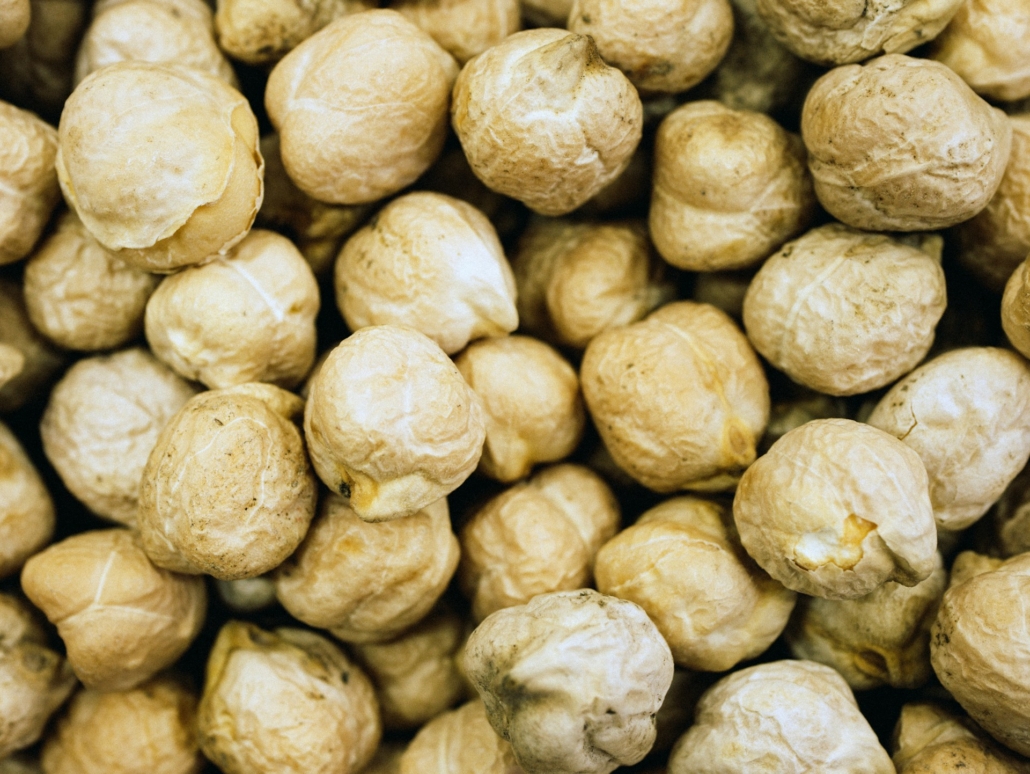
Chickpeas are one of those crops that can really shift depending on where and how they’re grown. When we talk about chick pea in Australia, we’re not talking about a single, uniform product. What grows well in Central Queensland won’t always behave the same in southern New South Wales. That kind of difference matters when it comes to planning a crop that does what you need it to do, from emergence to harvest.
Things like seed quality, regional climate, and soil conditions all play a part. While it’s easy to think chickpeas are chickpeas no matter where they start, we’ve seen how much that origin can shape performance. Setting the crop up well means understanding what’s likely from the start based on where seed has come from and how it matches to your paddocks.
How Regional Differences Affect Chickpea Performance
Chickpeas are grown across a wide stretch of Australia, from Queensland through to Victoria, and those regions don’t share the same conditions. What that means for growers is this: a crop that thrives in one zone might need a totally different plan somewhere else, even if the variety stays the same.
- In drier areas, soil moisture can be hard to hold onto, which affects emergence and early growth. Some regions also face higher disease risk depending on recent rainfall and humidity.
- Warmer zones might push flowering earlier, shortening grain fill. That kind of heat pressure calls for different timing and crop support.
- Soil types bring big shifts, too. Heavier clay may hold water better but can create access issues. Lighter soils often drain fast but lose nutrients more easily without a solid fertiliser plan.
When growers know the common patterns tied to where their chickpeas come from, it helps set more realistic targets. If seed comes out of an area known for steady rainfall and deep soil, and you’re planting into a drier, sandier run, you’ll likely tweak your approach to keep things in balance.
Why Seed Quality Can Be Linked to Location
Seed quality isn’t only down to how it’s treated once it’s harvested. Where that seed originally grew matters more than many expect. We’ve noticed that chickpeas grown from better-performing zones often show stronger vigour right out of the ground. That head start can matter when seasons get tight or sowing dates push back.
- Regional differences in growing conditions influence how seed matures. Cool nights and warm days in the right balance can help build better reserves in the seed itself.
- Certain areas, over time, develop known track records for producing clean seed with low disease carryover. That reputation usually links back to consistent paddock management, lower rainfall during flowering, and gentle finish conditions.
- Where seed inspections take place can shape resistance profiles. If seed comes from a region where Ascochyta has been an issue, there’s often more focus on clean-out and stronger monitoring before sale.
Making a smart seed decision early on isn’t just about the label or packaging. It’s about knowing what kind of season supported that seed getting off to the right start, and how well that matches your conditions now.
Shepherd Grain sources chickpeas from regions across Australia, focusing on supplies adapted to local rainfall, soil types, and disease risk. All chickpeas provided by Shepherd Grain are inspected and stored under conditions designed to support vigour and spring emergence.
Managing Risk with the Right Chickpea Source
Planning for risk is part of every cropping season. Weather shifts, pest spikes, or disease breaks can throw a plan sideways fast. If the chickpeas you’re planting come from a consistent, reliable source, that’s one less piece to worry about when conditions change.
- Seed from stronger zones tends to have higher baseline vigour, which helps smooth out rougher germination patches or unexpected cold snaps.
- Purity matters when crops hit key growth phases. Off-types or contaminated lots can affect grading or delay harvest, especially if the paddock carries other pressure already.
- Getting matched support when sourcing helps tailor the pick to your soils, local disease risk, and overall rotation. That kind of front-end thinking sets up the crop long before the first leaves emerge.
By forwarding that risk management into the seed choice itself, we make small decisions early that avoid bigger issues later in the season. When harvest time arrives, consistent stand and clean crops speak for themselves.
Planning Ahead for Next Season’s Chickpeas
February is a good time to pull out the calendar and get an early picture of what winter rotation could look like. Even though sowing might still feel a fair way off, what’s happening now in the paddocks and stores is what shapes the coming crop.
- Checking on paddock readiness, especially for drainage or residue load, gives solid clues about which areas might be better suited to chickpeas this season.
- If there’s not much stored soil moisture yet, it might prompt a rethink on chickpea targets or timing. That kind of call is easier to make now than later when seed’s already booked or delivered.
- Thinking ahead also gives more time to look at seed origins. Where chick pea in Australia has been harvested in the months just gone tells us what kind of material is now available, and which batches might be more aligned with your local conditions.
Some growers look to late summer for scouting, tidy-up passes, and tech checks to get machinery ready. Having seed sourcing pulled into that planning gives one less thing to chase once sowing narrows in.
Plan Confidently with the Right Seed Match
Not every chickpea behaves the same, and we don’t expect it to. The seed’s story starts long before it reaches the bin or silo. Where it was grown, under what conditions, and with what oversight all help shape what happens next.
Shepherd Grain is committed to providing chick peas that match the diverse needs of growers in each region, supporting performance through careful selection and handling. Planning your next season with chickpeas in mind means recognising how seed origin, soil conditions, and rotation plans all work together to make a difference in yield and quality.
Looking ahead to the next season? Where your seed comes from and how it suits your rotation can make a real difference. Local conditions like moisture, soil type, and disease pressure all affect performance. At Shepherd Grain, we’ve watched growers achieve better yields by matching the right variety and origin to their environment. To see which chick pea in Australia could suit your farm, give us a call.

