

Everything to Know About Growing Faba Beans in Australia
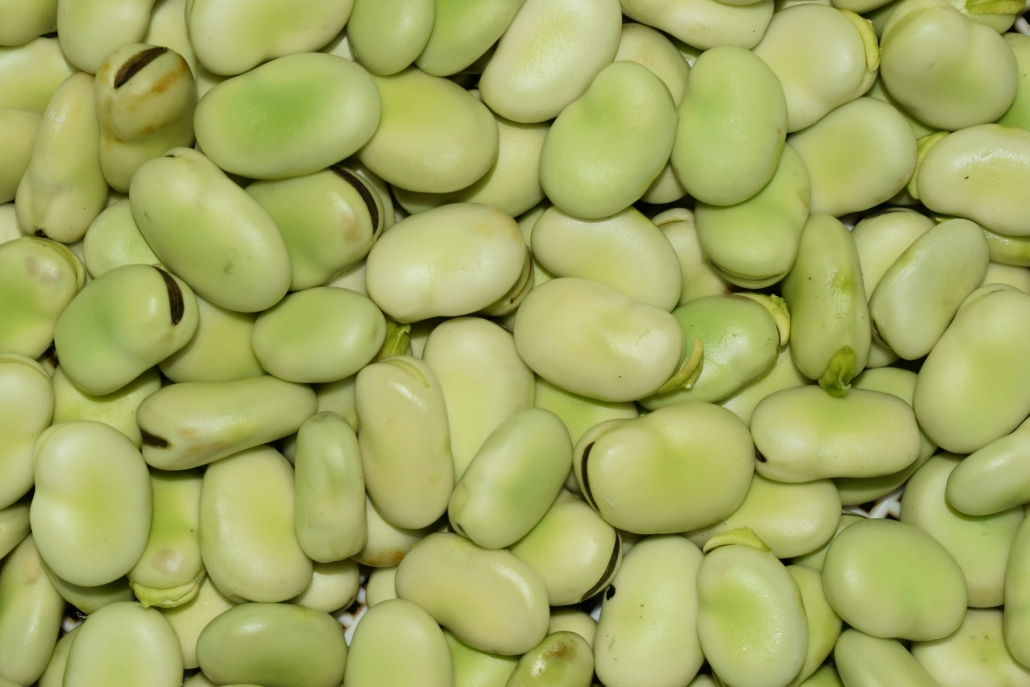
Faba beans have earned a solid place in Australian cropping systems, and for good reason. They slot well into mixed rotations, offer genuine value in livestock feed programs, and bring long-term soil benefits that carry through to whatever follows them in the paddock.
Autumn is when the planning needs to get serious. That means working out where faba beans fit in the rotation, which variety suits the season and the market, and how to set the crop up so harvest is clean and delivery is straightforward.
Like any pulse crop, they respond well to preparation. Growers who put thought into paddock selection, seed quality, and timing early in the piece tend to see that effort reflected in stand evenness, disease management, and final grain quality. This guide covers the key decisions from sowing through to delivery.
Understanding Growing Conditions for Faba Beans
Getting the growing conditions right starts well before sowing day. Paddock selection and seasonal timing are two decisions that shape everything that follows.
Soil Type and Drainage Set the Foundation
Faba beans prefer heavier soils with good water-holding capacity, but they are sensitive to waterlogging. Paddocks that hold surface moisture for extended periods create conditions where root diseases and fungal problems can take hold early. Getting drainage right before committing a paddock is worth the time.
Timing the Season Break
Most growers target sowing after the first reliable autumn rain, once there is enough soil moisture to support even germination. That window shifts depending on the region. Southern areas often sow earlier, while northern and inland zones may benefit from waiting out warmer conditions that linger into autumn.
Matching the Region to the Decision
Cooler and wetter regions carry a higher early disease risk if sowing happens too soon. Drier zones may manage that risk by sowing later, though a delayed start can push harvest closer to summer heat. Paddock history, rainfall patterns, and local temperature profiles all factor into where and when faba beans fit best in the rotation.
Choosing the Right Variety and Seed Treatment
Once the paddock is sorted, attention shifts to what goes in the ground. Variety choice and seed quality are two decisions that carry a lot of weight come harvest time.
Matching Variety to Market and Season
Variety selection comes down to what the crop needs to do. Some varieties suit food grade markets, others are better suited to feed programs or local rotation requirements. Plant height, maturity length, and disease tolerance all influence how a variety performs across a variable season.
Starting With Quality Seed
Strong germination, consistent vigour, and clean purity give crops a faster, more even start out of the gate. That translates to fewer gaps in the stand and better early competition, particularly after the first autumn rains.
The Role of Seed Treatment
Treated seed provides embedded chemical protection against early soil-borne pathogens and insect pressure below ground. That protection gives roots and stems a cleaner establishment window before above-ground management takes over.
Shepherd Grain works directly with trusted Australian growers across a transparent supply chain, handling all faba beans through industry-standard cleaning and storage processes to ensure consistent grain quality for food and feed market buyers.
Sowing and Early Crop Management
Getting the crop in the ground well is only part of the job. The weeks that follow sowing are when small decisions start to add up.
Depth, Spacing and Getting the Start Right
Seed placed at the right depth into good moisture gives plants a more consistent early establishment. Row spacing based on machinery setup and soil type also helps with airflow through the canopy, which pays dividends later in the season when disease management becomes a priority.
Managing Weeds From the Start
Faba beans are not strong competitors at the seedling stage, so arriving at sowing with a clean paddock makes a real difference. Pre-emergent planning works best when it is part of a broader approach that begins well before the break.
Watching for Early Pest Pressure
Leaf damage and seedling loss in the first few weeks can be easy to underestimate. Keeping a close eye on early crop health helps growers respond quickly before populations build. A strong, even stand established early makes the rest of the season considerably more manageable.
Managing Growth and Preparing for Harvest
From flowering through to grain fill, faba beans reward growers who stay attentive. The late-season decisions around timing and storage are just as important as what happens at sowing.
Disease and Lodging Through the Growing Season
Chocolate spot and rust can develop quickly when conditions turn humid. Row spacing, canopy management, and tracking crop growth through the season all help reduce that risk. In higher-rainfall zones, lodging is worth thinking about early, since nutrition timing and variety choice both influence how the crop stands up.
Timing Harvest to Protect Grain Quality
Pod maturity, shell colour, and grain moisture are the key markers to watch as the crop approaches harvest. Getting the header moving on time, particularly ahead of any late spring rain, helps protect the value of the crop. Clean paddock access and a well-prepared header reduce the chance of delays that can cost quality when it matters most.
Storing Grain at the Right Moisture
Patience at this stage matters. Grain pulled too green carries spoilage risk in storage. Confirming moisture levels before binning the crop protects the work of the entire season.
What Good Planning Means for Long-Term Returns
Faba beans contribute more to a farming system than a single season’s income. The planning that goes into them has a way of paying forward.
Soil Benefits That Carry Into the Next Rotation
Legume crops fix nitrogen and build organic matter, which supports the crops that follow. Whether the next paddock goes to wheat, barley, or another cereal, the groundwork laid by a well-managed faba bean crop tends to show up in subsequent seasons.
Quality That Holds at Delivery
Growers who match site choice, seed quality, sowing timing, and harvest management to their crop goals give themselves the best chance of consistent returns. That consistency also makes selling and storage more straightforward, since buyers can rely on quality and moisture levels that hold true across the load.
Shepherd Grain’s focus on transparent grower relationships and quality-driven supply has made us a preferred partner across food and feed grain networks in Australia. Our understanding of market demand, grain movement, and reliable grower partnerships brings practical value to every bulk delivery.
Plan Ahead and Keep Your Autumn Pulse Program Simple
Strong autumn planning sets up more than one crop cycle. It keeps rotations steady, paddocks productive, and grain movement predictable from sowing through to delivery.
At Shepherd Grain, we support growers at every stage of that process. If you are planning your next rotation and want to strengthen your approach to growing faba beans in Australia, get in touch with our team to talk through how we can help.

