

How Solar Power Is Changing Energy Use on Grain Farms
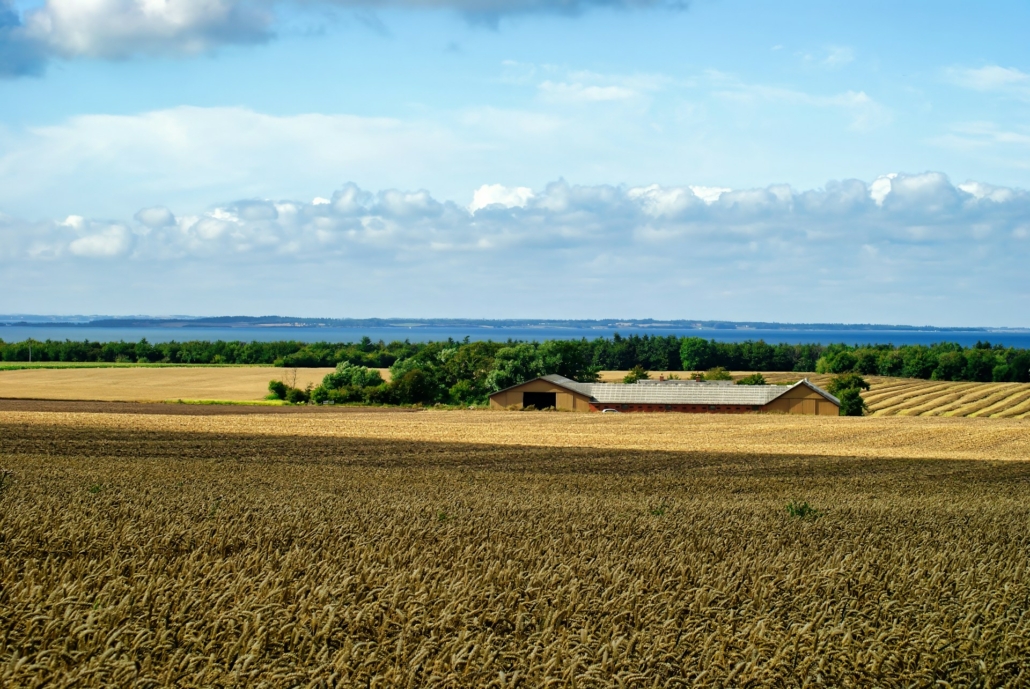
Sun-Powered Paddocks: Why Grain Growers Are Rethinking Diesel
Solar is no longer something grain farmers file under “maybe one day”. Across northern NSW and southern Queensland, growers are quietly rethinking how they power their operations, and diesel is losing ground fast.
It is not hard to see why. Fuel costs keep climbing, deliveries are never completely guaranteed, and generators have a habit of choosing the worst possible moment to cause trouble. Solar is not replacing diesel overnight, but it is changing how hard diesel has to work.
For growers supplying wheat, barley, chickpeas, durum, faba beans, and mung beans, energy reliability now sits alongside moisture management and storage as a decision that directly affects margins and grain quality. As a regional grain company working closely with growers across this corridor, we see those connections play out every season. This article shares what we are observing on the ground.
From Generator to Solar: What a Modern Farm Power Mix Looks Like
Diesel generators have kept grain farms running for decades. They are reliable enough, familiar, and when something breaks at midnight during harvest, there is comfort in knowing how to fix one with a torch and a few basic tools.
What is changing is the role generators play. Rather than replacing diesel outright, most growers are adding solar on top of what they already have. Roof or ground-mounted arrays power daytime loads through an inverter, with batteries added where remote sites or night-time use make the investment worthwhile. The diesel stays, but it works a lot less.
What Generators Typically Power on a Grain Farm
It helps to map out where the power actually goes. On most properties, generators are carrying loads like:
- Bore and channel pumps
- Aeration fans on on-farm storage
- Augers and small conveyors
- Shed and workshop lighting and tools
These are steady, predictable loads, which makes them well suited to solar.
Three Common Set-Ups Worth Knowing
Farms across this region are settling into one of three general approaches:
- Grid-connected solar, which trims power bills on properties with reliable mains access
- Off-grid solar and batteries, typically used on remote pump sites or sheds
- Hybrid systems, where solar carries the base load and diesel or grid power steps in for peaks
Real-World Solar Applications on Grain Farms
Solar works best where power loads are steady and run during daylight hours. Most grain farm operations fit that description well.
Water and Irrigation Pumps
Pumping is a natural starting point. Bores, tank transfers, and channel lifts all tend to run during the day, which aligns well with when solar is generating. Fewer fuel runs to remote sites, less servicing, and reduced risk of spills near waterways are all practical wins growers notice early.
Grain Handling and On-Farm Storage
Aeration fans, augers, and small conveyors are another strong fit. For crops where temperature and moisture management matter, cheaper daytime power means growers can run aeration longer during hot spells without watching the diesel meter. It also takes some urgency out of grain movement decisions, allowing more focus on conditioning to the right spec rather than managing around a fuel tank.
Sheds, Monitoring, and Farm Infrastructure
Lighting, tools, compressors, cameras, silo monitors, and remote weather stations all draw consistent power throughout the day. These steady, low-level loads can quietly wear down an ageing generator. Solar handles them without complaint.
Counting the Dollars: Long-Term Costs and Savings
Upfront costs cover panels, inverters, safety gear, and installation. Where night use or remote reliability justifies it, batteries add to that figure. Against that sits annual diesel spend, regular generator servicing, and the inevitable overhaul or replacement cycle most farms are already familiar with.
Payback periods vary depending on how much power a property uses during daylight hours, whether batteries are needed, and what finance or grant support is available. Panel warranties and system lifespans tend to stretch well beyond most generator replacement cycles.
For some growers, the more meaningful benefit is what happens to the money freed up. Redirecting reduced fuel costs into better storage, extra aeration capacity, or improved agronomy can lift whole-farm profitability rather than simply cutting an expense line.
Solar also provides a buffer against fuel price volatility. When diesel prices spike or deliveries get complicated, farms with solar already running face less exposure. That stability supports better grain marketing decisions, with less pressure to move grain in a hurry because the generator needs feeding.
Building Operational Resilience with Solar and Storage
Energy choices on a grain farm are rarely just about saving money. How reliably power shows up during the moments that matter most is often worth just as much.
Power Reliability During Peak Workloads
During harvest, fumigation windows, or prolonged heat, losing power causes problems quickly. A solar and battery set-up keeps aeration running through grain stacks, pumps available for stock water, and handling gear ready when trucks arrive. If a fuel delivery is delayed or a generator goes down, stored solar energy buys meaningful breathing room for time-sensitive work.
Environmental and Community Expectations
Lower diesel use reduces fuel burn, spill risk, and emissions. As buyers and end users pay closer attention to how grain is produced and stored, growers with cleaner energy set-ups are better placed to respond to those questions, whether they come from a grain company, a food manufacturer, or a retailer down the chain.
Planning for Future Technology
Good solar design accounts for what comes next. Many growers are thinking ahead to more automated pumps, additional storage and handling equipment, and the possibility of electric vehicles or machinery as that market develops.
A staged approach tends to work well. Starting with high-consumption predictable loads like pumps or aeration, proving the system, then adding shed power or extra capacity as confidence and need grow.
FAQ: Solar Power, Grain Farms and Diesel Generators
Q: Are solar systems replacing diesel generators on grain farms?
A: Solar systems are not fully replacing diesel generators in most cases. Instead, they significantly reduce generator run time and fuel costs, with diesel still used as a backup for peak demand and emergencies.
Q: Can solar power reliably run grain handling and aeration systems?
A: Yes, solar can reliably power grain handling equipment and aeration systems when properly sized. Many farms also use batteries or hybrid systems to ensure consistent performance during critical periods like harvest.
Q: What happens during cloudy weather or extended low sunlight periods?
A: Hybrid systems automatically switch to diesel generators or grid power when solar output is insufficient, ensuring uninterrupted operation of essential farm equipment.
Q: Is solar worth it for small or dryland grain farms?
A: Yes, even smaller farms can benefit by starting with targeted applications like pumps or sheds. Many growers expand their systems over time as savings increase and confidence grows.
Q: How does solar energy improve farm profitability?
A: Solar reduces ongoing fuel and maintenance costs, stabilises energy expenses, and allows farmers to reinvest savings into areas like storage, aeration, or crop management.
Q: Does using solar energy impact relationships with grain buyers?
A: Yes, reliable and cost-effective energy supports better grain quality and more flexible delivery timing, which can strengthen relationships with grain buyers and improve supply consistency.
Secure Reliable Grain Supply For Your Business Today
Farming is unpredictable enough without having to second-guess your grain company. Shepherd Grain works alongside growers and food businesses across northern NSW and southern Queensland because we understand that consistent quality and honest communication are not optional extras.
Whether you are thinking about forward supply, storage timing, or just want a clearer conversation about what is possible this season, we would love to hear from you.

