

Are Australian Chick Peas Ready for a Spring Comeback?
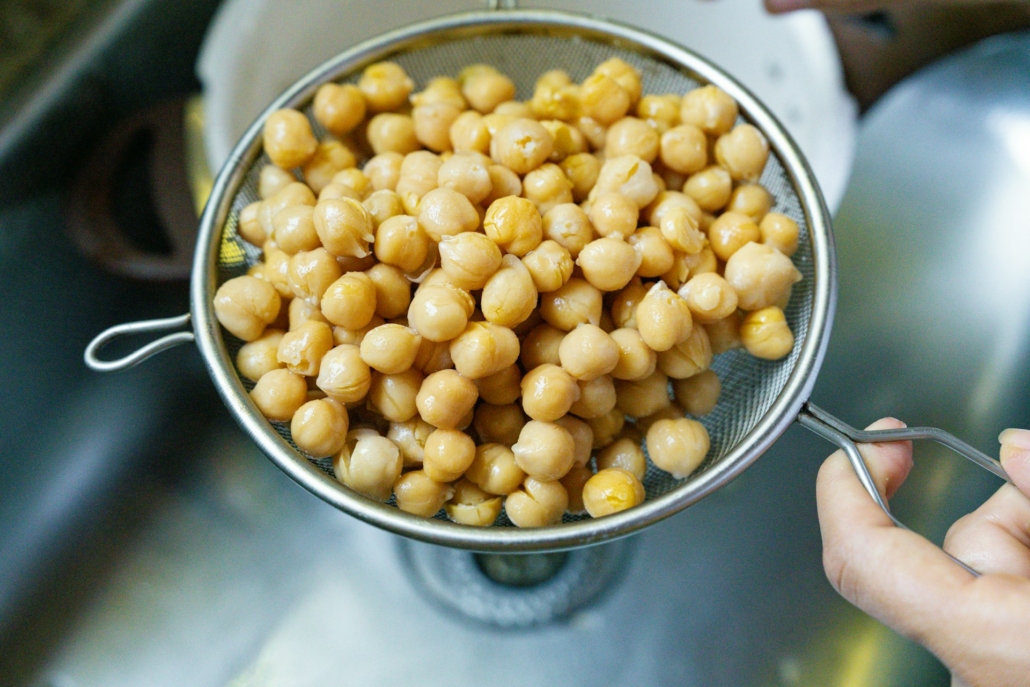
After a stretch of tricky seasons, there’s growing interest from farmers in whether Australian chick peas could be back on the table for next season. A few factors seem to be shifting, giving pulse crops like chick peas a better shot.
They have always had their place in rotation, especially when the paddock and season line up just right. But it is not just about whether they will grow. It is also about getting the timing, the seed and the prep to line up with what the ground needs. And because chick peas do not go in until mid autumn, the groundwork starts months out. If the pieces are lined up early, chick peas might earn their spot again come sowing time.
Choosing Paddocks That Favour Chick Peas Next Season
The last few years have not made it easy to count on chick peas. Some seasons started cool and stayed that way through early spring. Others gave us rain that hit too hard or missed completely.
That has made many rethink how and when chick peas fit in. But the window for next season is already opening, and it opens on paper before it opens in the paddock. Chick peas sown next April to June will go into the ground that is being shaped right now. The key will be paddock history. Chick peas are sensitive to residues from a number of common cereal herbicides, so the spray decisions made on this season’s wheat and barley are already ruling paddocks in or out for next autumn. Checking plant-back periods before the boom goes out keeps those options open.
Moisture matters just as much. In areas where the profile comes out of harvest in reasonable shape and summer rain is banked rather than lost to weeds, pulses could come into their own again. Chick peas do not like going into cold, wet soil either, and the later sowing drifts through June, the colder the ground gets. Being ready when the window opens beats chasing it from behind.
Weed control is another part of the puzzle. Chick peas take longer to close the ground, so early clean-up matters more here than with most other winter crops. If a paddock is kept clean through the spring and summer fallow, we may already be halfway there by the time the seeder is hooked up.
Getting the Right Seed in the Bag
Not all seed performs the same way when things get tricky. Chick peas benefit a lot from high-vigour seed, especially when the sowing window is narrow and the ground is still cool in the mornings. Getting strong early growth means fewer gaps and less slow-down, even if the start is not perfect.
Treated seed has become more of a must-have than a nice-to-have. Where growers face common soilborne disease risks or want to get seed in early, treatment gives peace of mind that emergence will not stall underground. Sticking to seed that has been properly graded makes machine sowing cleaner too, which saves us time and lets us hit our pacing from the start.
Spring is also the right time to get seed moving. Once harvest wraps up, the better lines get snapped up quickly, and germination and vigour testing takes time to turn around. When the seed is sourced from a wide base, we get access to stronger lines that have been grown and handled with care. It says a lot about seed health long before it reaches the bag.
Shepherd Grain sources chick pea seed from Australian growers with a focus on strong performance, and all chick peas are cleaned and stored to robust quality standards for domestic and export markets.
Where Chick Peas Fit in the Rotation Next Season
We are always looking for ways to break up the cereal cycle without giving up too much ground. Chick peas can do that well if used with purpose. They add contrast to cereal rotations, and for paddocks that have been on wheat or barley a few years running, they offer a clean break.
It is more than just pest and disease management too. As a pulse crop, chick peas play a helpful role in fixing nitrogen back into the soil. That will not replace a full feed plan, but it might soften the load heading into the following season. Lighter input needs the year after is something we have all noticed when pulses are used well.
Placement matters. Coming straight off a summer crop can hold chick peas back, especially where the profile has been left dry. But a wheat or barley paddock with stubble managed right and moisture topped up over summer could give chick peas the structure they need.
Making the Most of Narrow Windows
Once autumn arrives, the window can close fast. The break comes late, the ground cools quicker than expected or other sowing jobs stack up at the same time. Chick peas can lag behind if they are not already lined up and ready. That is where planning counts.
We do not have control over how the season unfolds, but we can keep our options open by getting paddocks cleaned early and checking seed supply before the last minute. When sowing gets pushed toward the tail of the window in June, every week costs yield, and we cannot afford to stall while seed is still being organised or treated.
It’s important to plan ahead so chick peas do not fall off the table when timing tightens, and you want to prep paddocks through spring and summer to avoid last-minute weed knocks or delays. You also need to work out paddock fit well ahead of sowing to get clarity across all crops.
If chick peas are a maybe right now, it is worth lining them up like they are a yes, just in case the weather breaks their way and the window opens clean.
Setting Up for a Smoother Autumn Start
Australian chick peas might get another chance next season, especially in paddocks that are kept clean, carry good moisture and have solid planning behind them. Seed quality, early treatment and crop placement all add up when we are looking to make a pulse crop work in unpredictable seasons.
Getting that part of the rotation sorted early could mean fewer headaches later. Even if chick peas have not been front of mind for the past few seasons, they may be ready to hold ground again if we give them the best conditions to start strong. That choice now could carry big benefits into next season and beyond.
Chick Peas Success Starts With Smart Planning
Planning to sow a pulse crop next autumn? With clean paddocks, moisture banked over summer and reliable seed, you set the stage for a smoother season ahead. Early preparation often delivers stronger results, especially for crops like Australian chick peas that need extra attention upfront. At Shepherd Grain, we help growers get the timing, placement and seed choices right from day one. Get in touch with our experts today to explore your options for next season.

