

The Role of Seed Coating for Mung Bean Sprout Success
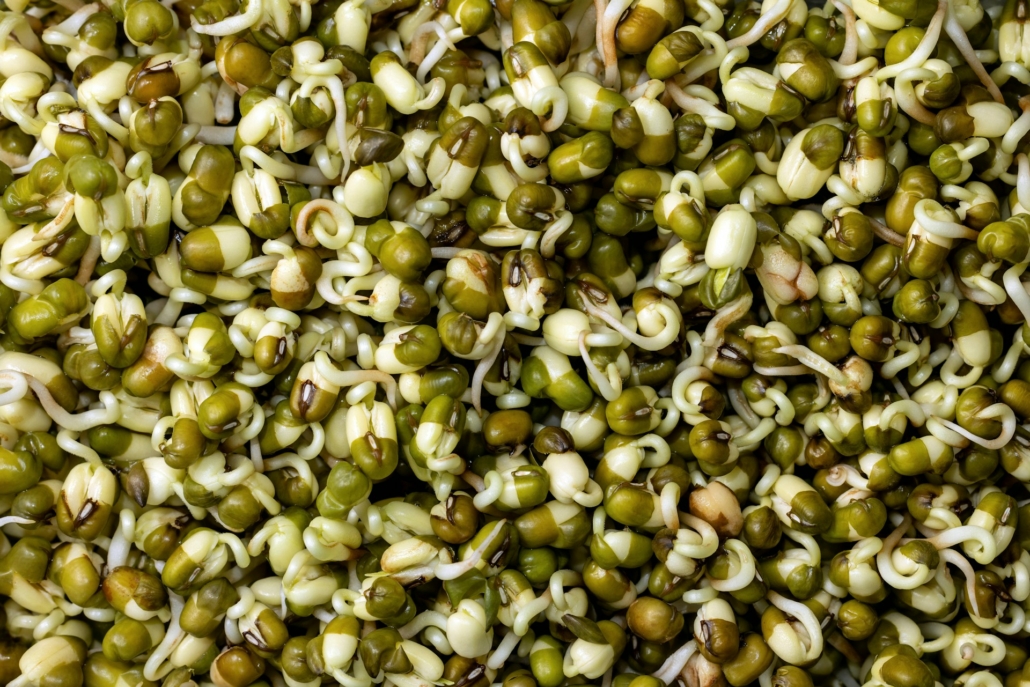
Strong mung bean crops start with what happens before the seed ever touches soil. Seed coating technology has become one of the most practical tools for supporting consistent germination and early growth, especially when summer conditions test even the best planning.
Seed coating gives mung bean sprout seeds a better foundation. It protects them during those critical first days in the ground, helps them push through uneven moisture, and supports more uniform emergence across the entire paddock. For growers focused on sprout quality, that early consistency matters more than most people realise.
The biggest challenge with mung beans is getting every plant to come up at the same time and size. Uneven emergence creates management headaches throughout the season. A well-chosen seed coating addresses these issues before they start by giving each seed the support it needs during those vulnerable first weeks.
What Seed Coating Is and Why It Matters
Seed coating is a protective layer applied to the outside of each seed before planting. The coating typically contains a blend of materials designed to shield the seed, deliver early nutrients, and support faster establishment once it hits the soil.
The coating doesn’t interfere with germination. Instead, it protects the seed during those vulnerable first days when weather swings, soil temperature, and moisture levels can make or break emergence. It helps seedling roots anchor faster and reduces exposure to early season diseases or soil pests that target young plants.
For mung beans, uniform emergence isn’t optional. When some seeds come up late or weak, the entire crop structure suffers. Weed management becomes harder. Spray timing gets messy. Harvest quality drops. Coated seed addresses this by supporting stronger, more consistent growth right across the paddock from the start.
Improving Germination and Early Growth in Summer
Summer sowing comes with real challenges. Hot ground, patchy rainfall, and tight planting windows all affect how well seeds establish. Coated seed performs better under these conditions.
Moisture retention around the seed lasts longer. This helps seeds crack and sprout even when conditions shift day to day during that critical germination window.
Early nutrient access supports faster root development. The coating delivers what young plants need most when pushing through compacted or nutrient-poor topsoil.
Emergence becomes more uniform across the entire block. When plants come up together, they create better ground cover, suppress weeds naturally, and fit standard spray windows without timing headaches.
Fast, even crops are simply easier to manage. They handle heat stress better. They tie into your existing spray program without adjustment. And they take pressure off the entire season by starting strong instead of playing catch up.
That first week shapes everything that follows in mung bean sprout crops. Patchy germination adds work and risk for months. Coated seed removes a lot of that stress before it starts.
Supporting the Quality of Mung Bean Sprout Seeds
Good harvests aren’t just about tonnage. With mung bean sprout seeds, appearance and clean growth matter just as much as volume. Coated seeds support both outcomes from the start.
Seed coatings reduce mechanical damage during sowing. When seeds stay intact through planting equipment, germination rates stay higher and establishment becomes more predictable.
Stronger early plant development translates to better crop appearance at harvest. Plants that establish quickly tend to produce more uniform seed size and colour, which matters when quality standards determine marketability.
A solid start limits the presence of off types or damaged seed in the final product. When the entire crop develops consistently, quality control becomes easier and rejection rates drop.
Sprout crops face strict quality requirements. Colour uniformity, seed purity, and size consistency all affect whether your crop meets buyer specifications. The easier it is to hit those benchmarks at harvest, the more reliable your operation becomes for forward planning. Coated seed builds that quality from germination forward instead of trying to compensate for problems later.
Choosing the Right Coating for Your Operation
Not all seed coatings deliver the same benefits. The right choice depends on your specific farming system and conditions.
Consider your rotation and paddock history. What’s been grown in that block previously? Are there disease pressures or soil compaction issues that might affect emergence?
Assess your soil type and moisture retention. Heavy clay soils behave differently than lighter sandy soils when it comes to seed establishment and early root development.
Factor in your irrigation setup and heat stress likelihood. Dryland versus irrigated operations have different requirements. Early season heat events might call for specific coating features.
Think about seed handling and machinery flow. If you’re running bulk systems or high speed planters, seed flowability through equipment can affect seeding rates and uniformity.
Different coatings serve different purposes. Some focus on delivering early stage nutrients to support faster emergence. Others include protective agents against diseases common in warm, moisture variable soils. Some coatings improve seed flow through air seeders or precision planters, which matters when covering large areas quickly.
Why Seed Coating Fits Well in a Long Term Rotation Plan
Seed coating isn’t just a single season decision. When you look at the bigger picture, it becomes part of how you build consistency and soil health across your entire rotation.
Mung beans contribute real benefits to soil structure and nitrogen levels. But those benefits only show up when the crop establishes strongly from the start. A patchy or weak mung bean crop leaves less behind for the following season.
Coated seed creates more uniform ground cover across different paddocks. This consistency lets you rely on the crop for weed suppression and soil improvement, not just hope for it. The residual benefits flow through to whatever you plant next.
Strong seed performance this season makes future planning more predictable. When your crops establish reliably, you can make better decisions about seed retention, variety selection, and rotation timing without constantly adjusting for inconsistent results.
Clean seed grown from well coated stock gives you clearer options for future plantings. You can hold back seed with confidence or blend across blocks without worrying about erratic crop behaviour. That kind of consistency doesn’t happen by accident. It’s built season by season, starting with decisions that support uniform establishment from day one.
Seed Coating Delivers Value for Growers
Those first few weeks of a mung bean crop shape everything that follows. How quickly and uniformly plants emerge directly affects quality, harvest timing, and overall crop health. Seed coating doesn’t change what a seed is, but it helps that seed perform to its full potential even when summer conditions turn unpredictable.
You can’t control the weather or the calendar. But you do control how you prepare. A well chosen seed coating strategy takes pressure off the entire season by giving mung bean sprout seeds a genuine shot at strong, even growth from day one.
Shepherd Grain sources mung beans selected specifically for Australian performance and storability. Every product is handled with care to support the kind of crop quality that makes harvest easier and results more consistent. When planning your next sowing, consider how your seed coating approach aligns with your paddock conditions and summer management plans.
Ready to discuss options for your operation? Our team can help you find the right mung bean sprout seeds for your rotation and conditions.

