

Understanding How Barley Acts as a Feed Grain in Winter
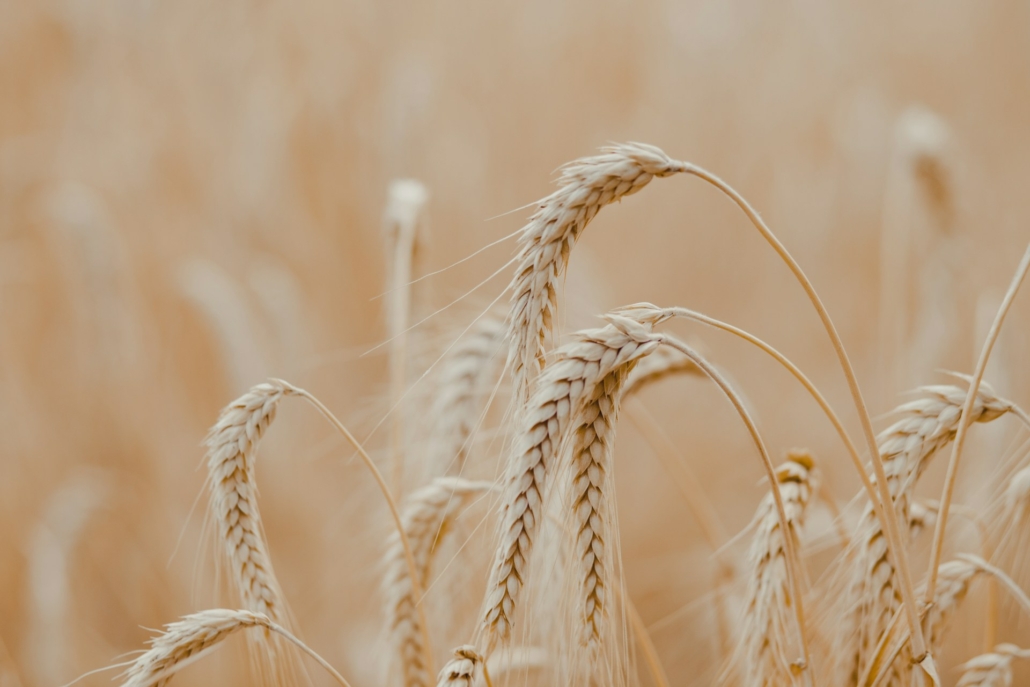
Barley has long been a steady choice for livestock feed through the colder months. It’s reliable, easy to work with once processed, and helps keep animals well-fed when paddocks aren’t providing as much. As we get deeper into winter, growers and livestock operators start thinking more about what goes into the trough and how to keep things running smoothly through the season.
That’s when we start seeing more interest in good feed grain for sale. Not just any grain, but the kind that stores well, feeds clean and keeps animals on track without surprises. Barley plays an important role in that mix, and knowing what to expect from it in winter can make all the difference.
Why Barley Works Well as a Winter Feed
Barley remains one of the more flexible feed grains during the winter period. It handles cold storage well and suits a variety of feeding setups without the need for major adjustments. This is because:
- Barley is lower in fibre than some other grains, which helps animals digest it more easily. In colder weather, that can mean more energy for growth or maintenance without overwhelming the digestive system.
- The grain carries a consistent energy profile, which makes it easier to plan winter feeding without big swings in intake or performance.
- Unlike grains that need extra processing or blending to balance them out, barley fits comfortably into straight feeding or mixed rations. It can either serve as the primary feed grain or play a supporting role, depending on what the livestock need.
These traits do not change year to year, which is part of what keeps barley at the centre of cold-season feeding for many operations.
How Grain Quality Affects Winter Feeding Outcomes
Not all barley feeds the same way, especially once winter sets in. Moisture levels, purity and seed treatment all start carrying more weight as conditions tighten up. Key considerations include:
- Barley with high moisture can quickly turn in storage, leading to spoilage or mould. In addition to the financial loss, it creates risk for livestock if it sneaks into the feed mix.
- Inconsistent grain size can make it hard to process or mix evenly, causing uneven intake across the herd. Smooth, clean barley is easier to handle and delivers a more balanced ration.
- Poor seed treatment or low germination quality on seed-grade barley might not affect feed directly, but it often points to weak handling all the way through the process.
At Shepherd Grain, we pay close attention to handling and presentation when looking for reliable feed grain for sale during winter. If the product is clean, uniform and meets basic thresholds for consistency and content, the feeding outcome is usually better too.
We offer barley sourced directly from Australian growers, with storage, cleaning and processing tailored to feed quality standards required by livestock operations. Our processes in these areas help keep barley consistently fit for use throughout winter and into spring.
Storage and Supply Considerations in Colder Months
Barley usually stores well when handled properly, but winter still brings its own set of pressures that can shift how it moves and holds. Key considerations include:
- Wet conditions during harvest or post-harvest can leave grain at higher risk for damage. Getting it dried and sealed before any cold snaps set in is vital.
- Long-term storage through the middle of winter often means using silos or bunkers that sit for weeks or months. Pest management and air flow need to be managed from the start.
- Supply timing can get tricky. Sometimes feed sales drop off midwinter, only to surge again close to lambing or calving. Keeping grain in good condition for these unpredictable spots is part of the job.
By keeping a close eye on supply points and how long grain needs to hold its value, we avoid common problems like shrinkage and spoilage that cost both time and money on the back end.
Our facilities implement regular grain inspections, clean-out schedules and proper documentation to maintain quality and provide certainty when planning your winter supply chain.
Sourcing Feed Barley with Confidence
Good sourcing habits make feeding simpler and more reliable, even in tough winters. It starts with knowing where the grain came from and what condition it was in before it reached our hands. Factors to consider include:
- Trusted sources provide clear batch data, handling notes and grain profiles. This helps avoid feeding surprises like hidden contaminants or off-spec product.
- Grain sourced from several growing areas gives us more tolerance through winter. If one region has weather issues or short supply, a wide sourcing net makes sure we are still covered.
- Purity matters too. Weed seeds, foreign grain types or uneven loads create problems not just for the animals but for feeders trying to plan balanced rations.
At Shepherd Grain, we keep our sourcing flexible so we can support consistent supply. If the grain is coming in uniform and backed by solid information, winter feeding gets easier for everyone.
Planning Ahead for Cold-Season Feeding
By this point in the season, most of us are already deep into talks about winter feed. That is when getting a clear picture of livestock needs becomes urgent. Consider these planning tips:
- Match feed grains to the animals’ workload and body condition. Breeding stock might need a different balance compared to younger animals or maintenance mobs.
- The biggest mistake we see is waiting too long to secure stock. Further into the season, supply can dip and leave gaps that are hard to fill at the last minute.
- Always double-check grain spec. That includes protein, test weight, moisture content and anything else that affects how it behaves in a ration.
Good barley helps hold consistency through winter when pasture gets thin. Feeding plans built with it feel a lot less reactive and more stable day to day.
Keeping Barley Feeding Reliable Through the Season
Barley has earned its spot in winter feeding for a reason. It is versatile, reliable and does not bring extra fuss if it has been handled right.
Season to season, we watch how the grain performs, what the animals respond to and where problems pop up. From that, we keep making small changes to how we store, source and handle grain. When barley is clean and dependable, it shows in the livestock. And through a long, cold stretch, that consistency counts.
Planning for winter feeding is smoother when you rely on well-prepared barley, taking the guesswork out of livestock management. We make it our business at Shepherd Grain to ensure that every load of feed grain for sale is clean, stable and aligns with the season’s demands before it reaches your shed. Reach out to us to discuss the best feed options for your livestock in the colder months.

