

How to Prepare Bulk Grain for Sale Before Deep Winter Sets In
Once the cold truly settles in, it gets harder to keep bulk grain moving in good condition. Moisture, delays and transport issues can stack up quickly. Getting bulk grain for sale moving early is about setting up smooth runs for when things naturally become harder to manage later on.
Now is the time to get ahead. Preparing our grain before conditions tighten further takes pressure off storage, trucks and timelines. Doing the work now keeps trouble at the gate when bad weather locks things up for weeks at a time.
Getting the Grain Clean and Ready
We all know clean grain sells better. But more than that, grain that’s prepped properly is easier to store, easier to move and less likely to bring problems back later. This is because:
- Cleaning early helps us catch quality issues before they drift downstream, so there are fewer surprises later.
- Buyers want consistency. If grain loads arrive with low screenings and good test weights, they’re easier to place and less likely to be knocked back or delayed.
- Purity counts too. Weed seeds, soil and off-types can slow down sales or knock quality grades. A bit of sorting now saves time and pushback later.
Getting this right is about being ready when it counts, with reliable grain that holds its value long after it leaves the silo.
Sorting and Storing Early
Storage takes a different kind of care once deep winter has settled. We can’t fix airflow issues or excess moisture once the chill has settled in. That means we need to get it squared away before the cold sets deep. The basics are straightforward:
- Choose storage suited for your setup. Silos with decent airflow and covers that hold through hail and horizontal rain are worth their weight once winter settles in.
- Moisture matters more than usual in winter. Damp grain can crust over or feed fungal growth in longer hold periods. Drying grain to the right levels before storage keeps it steady under pressure.
- Rotation stops the risk from sitting in one spot too long. If loads are stacked for weeks in cold air without movement, even minor damp spots can bloom into damage. A little shift or mix now and then keeps things fresher.
We like to think of storage as quiet prep work. If it’s clean, dry and sheltered ahead of time, it makes every other job in winter that much easier.
At Shepherd Grain, our grain storage approach is built around cleanout, controlled airflow and batch traceability. Our buyers benefit from clear supply certificates no matter the season. We work with local carriers and always prioritise smooth grain transfer from site to end-use, helping minimise downtime during challenging weather.
Timing Your Movements to Beat the Winter Bottleneck
Winter gives us tight windows. When frost shows up and rain follows behind, paddocks, loading zones and rural roads all change the game. That’s why bulk grain movements need to be planned around conditions we know won’t stay easy. That’s because:
- Buyer demand ticks up as winter progresses and livestock feeding ramps up. That’s when interest and urgency collide. If loads are properly staged ahead of this curve, it’s easy to meet that demand without stress.
- Icy mornings or soaked tracks limit the hours we can safely load and ship. That delay has a bigger knock-on effect than many realise. Better to move loads before things start to stall.
- Road access becomes an issue. If the route to silos goes over soft soil, even one heavy rain can cut access for trucks. So we aim for early shipments rather than gambling on dry breaks.
The way we see it, grain that’s shifting ahead of the worst of winter gives everyone fewer headaches and more breathing room.
Working With Buyers to Match Market Expectations
When buyers are searching for bulk grain for sale in winter, they don’t want to waste time on loads that can’t be cleared or sold on quickly. That’s where prep and planning help us keep the process moving. The main priorities are:
- Grain backed by proper spec sheets and clean batch data builds trust early. Buyers don’t want to chase basic info when time runs short.
- Even sizing across the load makes for simpler mixing and easier feeding setups. If grain can be tipped or augered in with no jam-ups or odd flow rates, repeat orders tend to follow.
- Showing that grain has been stored well carries weight too. No sour smells, no clumped-together runs, just a clean, dry load ready to go.
By giving buyers what they’re looking for without fuss, we help them keep their own schedules together, and that usually keeps us front of mind next time too.
Ready Grain Moves Faster When Winter Comes
The colder months slow things whether we like it or not. So the more grain we’ve cleaned, tested and managed early in the piece, the smoother the season will run. We’ve seen the slowdowns, and we know what holds things together: dry grain, solid records and storage that can carry right through into spring.
When the work’s done ahead of time, there’s less stress and fewer delays. Trucks can keep rolling, orders get picked up faster and the grain we put forward tends to meet the mark. All that extra effort tends to pay off when the next lot of harvesting, feeding or contracting rolls around.
Get Bulk Grain for Sale Ready This Winter
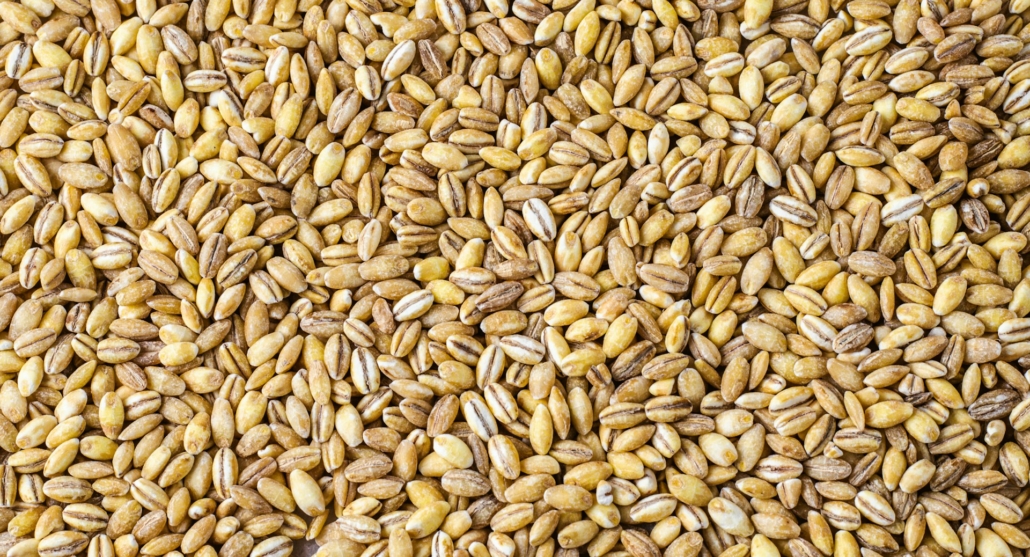
Planning ahead in the colder months means knowing what will move quickly and retain value in storage. One of the most dependable options we’ve supplied for winter is barley, which is a popular bulk grain for sale thanks to its consistent quality and strong seasonal demand. We make sure it stays clean, dry and ready to ship before peak periods begin. At Shepherd Grain, we’re here to help you save time, avoid unnecessary delays and have the right grain on hand when you need it most. Get in touch with our team to discuss your grain supply plans.

