

Guide to Buying Durum Wheat in Australia Before Spring Break
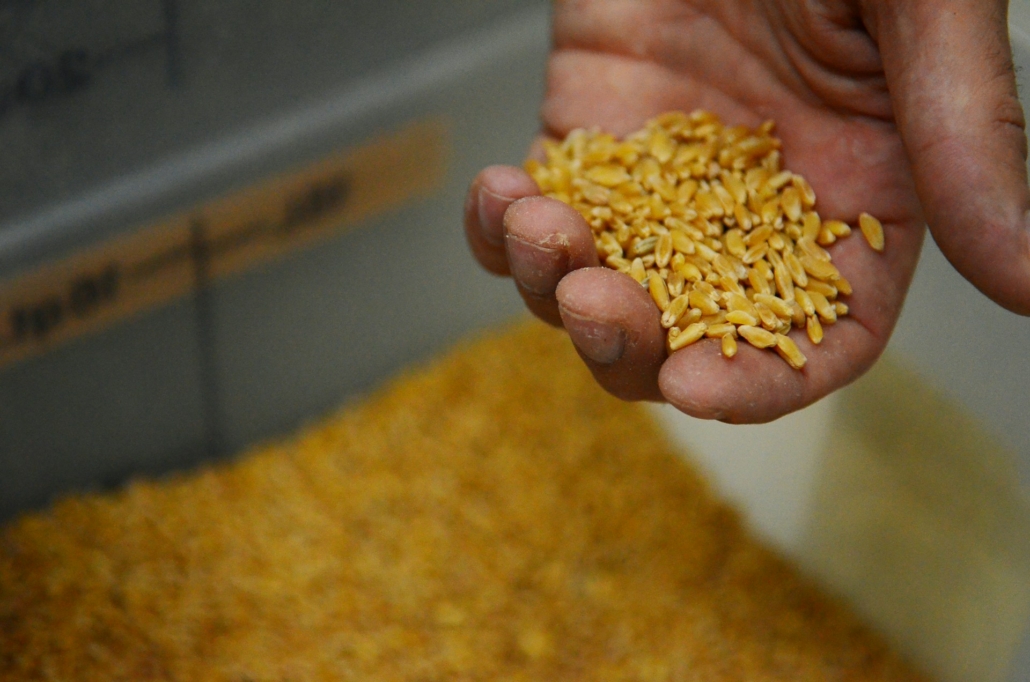
Next season rolls around faster than you’d think, so durum growers get busy locking in seed well ahead of the seeding rush. The good news is that proactive planning now can help avoid last-minute chasing once everyone else starts moving.
Durum wheat in Australia needs strong early growth to get away quickly before the cold slows everything down. It’s grown for specialist use, mainly pasta and high-quality semolina, so the pressure to get it right from the start sits heavier than with common bread wheat. That’s why buying the right seed early makes a real difference. A clean, vigorous crop gives us fewer headaches later and sets up a smoother run through to harvest.
Why Durum Variety Matters
Choosing the right variety plays a big part in how the crop handles local conditions. Soil type and regional patterns can really affect how well a variety does in a given year. Here’s what that means in practice:
- Newer seed options can show more early vigour and robust roots. That helps crops stand up better in cool, damp weeks.
- Some paddocks hang onto moisture longer than others, while others dry fast. Matching the seed to that ground makes a big difference.
- Each season brings its own surprises. Picking a variety with flexibility gives us more room to work around bad weather.
A good fit between seed and soil smooths things out early. That leads to more even growth and fewer patches of weak or delayed plants.
At Shepherd Grain, we source durum seed from a broad network of Australian growers and manage all cleaning and storage to industry standards. Our focus on high-performing varieties meets the needs of pasta processors while supporting diversified crop rotations.
Look at Where Your Seed Comes From
Durum wheat seed grown in different zones across the country tends to behave differently. Where and how it’s sourced matters more than people think. Here’s why:
- Seed from a wider area avoids the risks that come with relying on one growing zone. Dry in one place? Wet in another? Spread seed sourcing helps us deal with that.
- Some regions prep their seed earlier, others later. Knowing where it came from gives clear signals about when it’s at its best.
- The origin of the seed affects how well it adapts to local conditions. A proven seed source usually shows better balance as the season unfolds.
It’s ultimately about knowing how that seed will behave in your own paddock. Good sourcing goes a long way when trying to stay ahead.
At Shepherd Grain, our logistics team manages transport and delivery to match sowing timeframes, allowing flexible windows for all growers.
Check for Seed Treatment and Prep
The way seed is handled before it hits the ground makes all the difference. Sowing time isn’t always smooth sailing, and treated seed gives us some breathing room. Here’s what good prep delivers:
- Cleaner seed with fewer leftover contaminants grows more evenly. Patchy emergence often comes from seed that didn’t start out right.
- Treated seed has added protection during those wet, cooler spells that follow early sowing. That boost helps hold it steady when the weather wobbles.
- The best seed prep makes early stages quicker and more controlled. No second-guessing whether it’ll get through that damp topsoil.
When the break is patchy or the forecast looks mixed, treated seed gives us a bit more control before the crop really takes off.
Pick a Delivery Window That Works
Once seed is booked, the next job is making sure it lands on the farm when the paddock’s ready. That’s where timing logistics matter. Here’s why:
- Sowing season brings a rush. Everyone’s on the move at once, so early planning means less chance of delays.
- Picking your window ahead of time ties into paddock prep schedules. It lets us match sowing with ground readiness. No wasted days with seed sitting idle.
- The earlier we know what we’re planting and when, the smoother the season shift goes for workers and gear.
Dodging that seeding-time rush comes down to a bit of smart planning now. Securing an early window puts things back in our hands.
Watch the Weather and Field Conditions
Sowing doesn’t land on the same week every year. It’s all down to when the break arrives and how much moisture the profile is holding. In practice, that means:
- Unexpected weather changes can push back sowing windows. If our seed plan is sorted, that delay doesn’t hold everything up.
- Some years start drier, while others stay squishy for weeks. Picking seed early lets us shift plans without the pressure.
- We can aim for a certain week, but the paddock tells us when it’s ready. That’s easier to sort out when we’re not still busy chasing seed orders.
The weather always plays a part. Good early planning gives us space to adjust without feeling behind the clock.
Get Durum Wheat in Place Ahead of the Seeding Rush
Planning ahead for your next durum crop sets you up for a successful season, especially when you take the time to review your paddocks and select the right seed. Timing, treatment and seed origin all play a key role in early crop performance, which is even more important with durum wheat in Australia where quality and consistency matter. At Shepherd Grain, we focus on early planning to help take the pressure off during sowing season. Get in touch with our team to discuss the best options for your next crop.

