

Guide to Spotting High-Purity Wheat Seeds Near Spring Peak
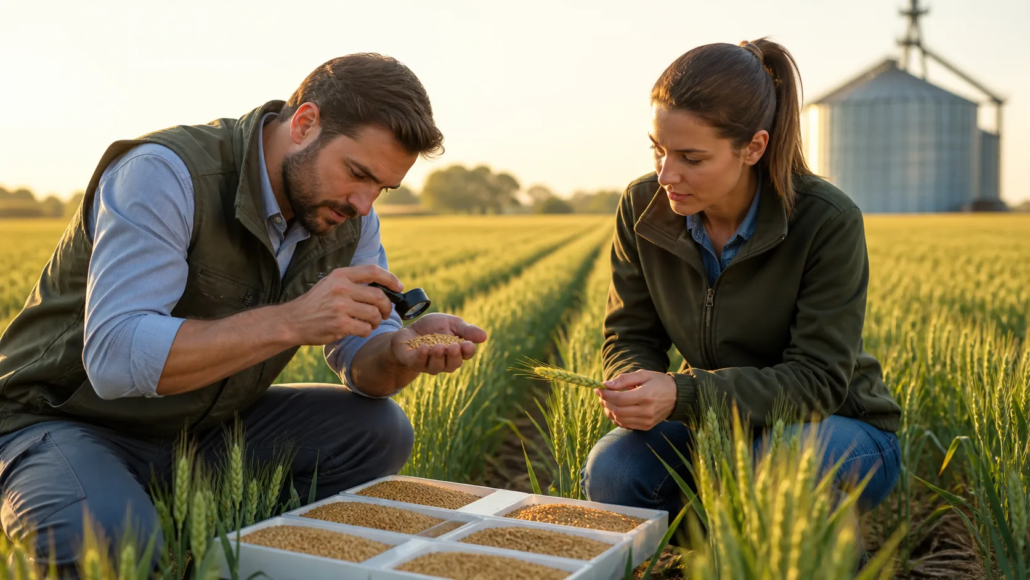
Farmers get a short window each season to get seed decisions right. Before the drill goes anywhere near a paddock, it pays to check that the wheat seed you’re working with will deliver strong, clean stands later on. That early check-in can catch issues before they slow planting or affect early crop growth.
This is where purity and vigour start to matter in a big way. Whether you’re sorting through dry-stored carryover or fresh lines of wheat seed for sale, spotting red flags early can spare you headaches down the track. The more you know about what’s in the seed bin, the fewer surprises you’ll face after sowing.
What High-Purity Means in Wheat Seed
Seed purity is more than a number on a bag tag. It shows up in how the batch looks and smells, and in whether anything has found its way in that shouldn’t be there. Look for:
- Clean colour with no dusting or mould
- Uniform shape and size across the batch
- No seeds from other crops, weeds or contaminants
Purity gives your seed a better shot at strong germination. We’ve seen how clean batches start faster and with less variation, which means fewer gaps and re-sows in the paddock.
Early spotting helps you link a batch to the right soil type or paddock plan. If you’re working with mixed soils or rotating out of legumes, cleaner seed removes one more layer of guesswork. You already deal with enough variables at planting time. Seed shouldn’t be one of them.
How Seed Origin and Variety Affect Results
Where a seed batch comes from can steer a lot of your season. Lines sourced from different growing regions tend to face slightly different pressures. That means some varieties will hold up better where others drop off. Here’s what to be aware of:
- Wide-area sourcing gives you more choice if the local season turned tricky
- Seed that grew under dry or mixed-weather conditions may bring better stability
- Some fresh-release varieties are bred to clean easier or resist seed coat damage
Older lines can still perform well, but they may vary more in purity or strength, especially if they’ve passed through multiple hands. It’s worth checking what kind of treatment history the seed has, so you’re not walking into planting with something that’s lost its edge
Matching variety to your paddock needs matters too. A strong seed line in loamy soil might fall flat on lighter country. If you’re sowing across mixed blocks, mixing variety or staggering rates might still suit, but you’ll want to start with the cleanest base possible.
At Shepherd Grain, we offer wheat seed sourced from top-performing Australian regions, cleaned and prepared to suit a range of soil types and climates. Every batch is supported by traceable records and careful storage, so you can line up seed for the season ahead knowing where it came from and how it’s been kept.
What to Look for When You’re Buying Seed
As sowing gets closer, pressure builds to make final seed choices. Plenty of growers are scanning for wheat seed for sale at that point, and the rush can lead to missed steps or skipped checks.
There are a few simple signals worth paying close attention to:
- The seed should be dry, firm and uncracked
- You shouldn’t see husks, dirt or dust layers in the bottom of bags or bins
- A clean smell is a good sign, while anything sour or musty usually calls for testing
- The size and colour should match across the lot
Buying close to sowing can make it harder to recover if something’s off. You may not have time to swap batches or fix blending issues. This is why it helps to check physical quality before lifting the auger or loading the drill.
If you’re ever unsure about a line, even a quick sample check or vigour test can save a paddock. When time is tight, clean-looking, high-purity seed gives you one less thing to second-guess.
Why Early Testing Makes Sowing Smoother
Running seed tests early takes the pressure off during peak planting weeks. Once paddocks are being prepped and machines are lined up, there’s not much room left for surprise results. What early testing gives you:
- Germination and vigour tests show if a batch will stand up under real paddock conditions
- Cleaning the seed and applying pre-treatment can slow down seed damage and mildew issues
- Getting testing done well ahead of sowing allows time to adjust planting rates if needed
Planting moves fast once it starts. If a seed batch looks rough or tests weak, you might need to chase more seed or tweak your plans. The earlier that picture’s clear, the more options you’ll have without needing to shift loads or guess.
Planning ahead doesn’t always mean locking in months early. It can just mean getting seed off the back wall and under the scoop while you still have time to shift gears if the results call for it.
Make Seed Checks a Habit
Seed purity plays a big part in how smoothly sowing runs, and the growers who have the least trouble with it tend to be the ones who check the same way every time. A short routine run over every batch, carryover or freshly delivered, picks up most of what’s worth picking up.
It also helps to write down what you find while the bags are still open. A note on a batch you turned down is worth as much next year as a note on one that went in well. Small choices at this point carry weight later, and a clean batch cuts stress and downtime in the paddock when you can least afford either.
Check Seed Early for a Reliable Start
Every batch counts when you’re planning a sowing program, and knowing exactly what’s inside the bag is what keeps surprises at bay. Identifying signs of quality early helps keep you on schedule when timing is tight. When you’re comparing options for clean, reliable paddock starts, our available lines of wheat seed for sale are worth a look. At Shepherd Grain, we help you start with better seed, not guesswork. Get in touch to chat about what will work best for your blocks.
