

Do Grain Trading Models Work Across Australian States?
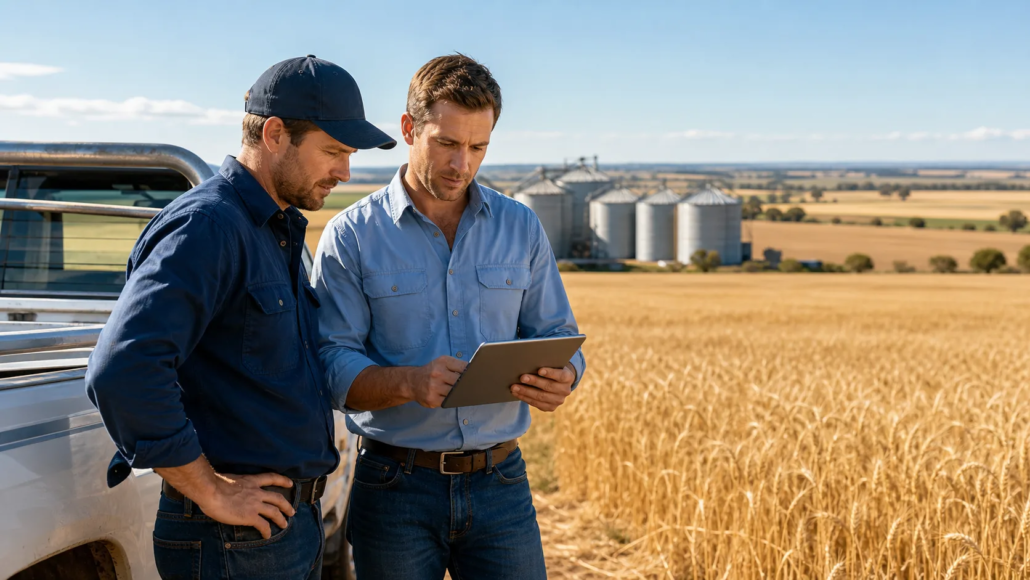
Grain trading in Australia doesn’t follow just one model. What works in southern Victoria might not hold up in parts of Queensland or the west. The way grain moves, how it’s handled, and when it’s traded can shift fast depending on where you are and what the season is doing. Weather patterns, soil types, and infrastructure all play a role, and these pieces don’t look the same from state to state.
As we head into spring, growers are already starting to think about what’s ahead. Storage levels, seed choices, market demand, and harvest timelines all vary depending on location. For those of us who trade across state lines, it’s clear there’s no one-size-fits-all way to approach things. Grain trading models that work well for one area may fall short in another unless there’s some flexibility built in.
Different States, Different Needs
Each state handles grain differently, shaped by local growing conditions and old transport habits that still matter today. Take Queensland, for example. Harvest timing there tends to lean earlier than in Victoria, which means grain can move at a different pace. South Australia is built around bulk handling, while in other places, on-farm storage is more common. That setup changes how growers think about timing and who they’re selling to.
- Some parts of the country have easier access to ports or rail, making it faster to move large volumes. Other areas rely more on road transport, which adds different challenges.
- Soil quality and rainfall patterns also shape what crops grow well. That affects what fills the bins and who it ends up going to.
- Grain from one region might be a perfect fit for domestic feed, while another area’s grain meets specs for export or milling.
These differences sound simple, but they can shape how fast grain trades, how far it travels, and what buyers are looking for come harvest.
Local Buyers vs. Broader Markets
Every grower wants to line up a sale that makes sense for their crop and timeline. For some, the buyer is just down the road. For others, the best option might be hundreds of kilometres away. The gap between local supply and outside demand can shift with the season, and that’s where trading models need to adjust.
- When a grower is close to a mill or local stockfeed buyer, selling local makes sense. That model tends to move quickly and openly, with both sides understanding the market.
- For growers farther out or chasing bigger volume sales, the trade shifts to buyers working in national or international markets. That brings in logistics, port access, and wider timing windows.
- In both cases, traders help translate what growers have into what buyers need, smoothing out any hiccups in specs, timelines, or transport.
Trading works best when there’s a clear line between what’s harvested and where it’s needed. That line just happens to be longer in some parts of the country than others. Because of these differences, communication between grower and buyer becomes even more important, especially during active harvest periods. Timely updates and practical logistics help both parties avoid delays and reduce risk.
Matching Seed to Market
No matter which state you’re in, getting the seed right makes trading smoother months down the track. That starts before sowing and runs all the way through to storage.
- Markets tend to favour certain varieties. Whether it’s high-protein wheat or specific oil content in canola, backing those choices early saves time later.
- Traders and growers often work together to pick varieties with strong demand where the crop will be traded, not just where it’s grown. That forward planning can open more options when it’s time to sell.
- We know that buyers look for clean, uniform grain that meets their specs. Growing from quality seed that’s been tested for germination and vigour helps make that possible.
Seed selection isn’t just an agronomy decision. It’s linked directly to trade. Choosing better seed up front can open more doors after harvest, wherever you are. The impact stretches from planting to shipping, influencing everything from market access to price points.
Shepherd Grain manages a national grain supply network and works with both regional and export buyers across states, offering dependable delivery and locally adapted seed lines to help growers meet market demand and storage needs.
The Role of Traders in Bridging the Gaps
Trading across states means keeping pace with different weather patterns, harvest windows, and stockflow shifts. That’s where experienced traders make a real impact.
- When storms delay harvest in one area but another region is drying out, grain starts moving at different times. Traders help manage that movement in a way that matches both grower and buyer needs.
- We often help growers line up options based on wider supply trends they can’t always see from one paddock.
- A flexible trading model, one that isn’t locked into one system, keeps things steady when the unexpected happens.
What really helps is having strong supply links and access to seed from different areas. That way, when local stock is light or harder to source, there’s still a path forward. Grain keeps flowing because we can pivot, not because one rigid system holds up. Having multiple supply sources adds an extra layer of confidence for everyone involved in the trade chain.
On top of this, Shepherd Grain supports growers with advice on cross-border logistics, documentation, and bulk grain scheduling, offering support from pre-harvest to final delivery. Ensuring paperwork is correct and deliveries are organized efficiently makes interstate trading less stressful for all parties.
What Works Where, and Why It Matters
Grain trading in Australia doesn’t rely on a single method. It’s shaped by what each region grows well, how grain can travel, and when that movement makes sense. If we try to apply one blanket system to all states, we miss the chance to make things run better for everyone involved.
Trading models need to be flexible enough to shift with the seasons and smart enough to fit the people using them. Growers want simple, clear outcomes. Buyers want grain that meets the mark. Our job is to keep those two sides connected, no matter where the crop starts or where it ends up. What works best depends on getting the right support early, adapting when it counts, and staying focused on both local strengths and broader patterns. It is often the small but consistent improvements in logistics and planning that have the biggest impact on trading success each season.
How Shepherd Grain Connects Regional Trading Models
Working with grain trading in Australia takes local knowledge and experience, which is exactly what we bring to every transaction. We’re familiar with how various regions handle grain logistics and put that insight to work for you, whether you’re securing local buyers or organising hauls further afield. At Shepherd Grain, we focus on keeping things straightforward even when the market isn’t. Reach out to discuss how we can support your next move.
