

Feed Grain for Sale: Barley Vs Wheat for Spring Rations
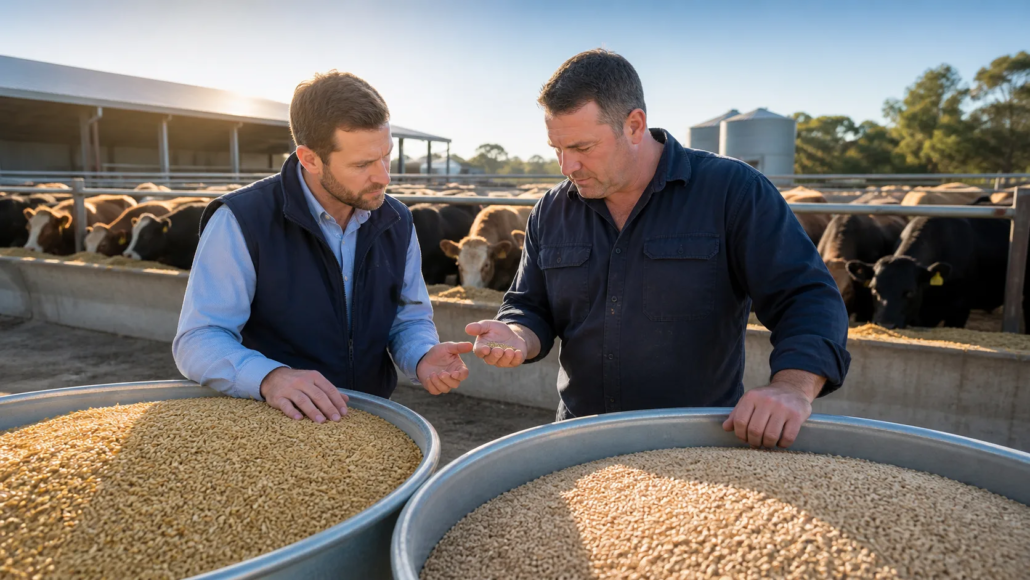
Spring puts extra pressure on a ration. Pasture quality can swing week to week, stock are often working harder through lambing, calving or finishing and the grain component has to pick up the slack without tipping animals into trouble. For a lot of producers, that comes down to a choice between two grains that are usually both sitting in the shed or easy enough to source: barley or wheat.
Both do the job. Neither is a wrong answer on its own. But they behave differently once they hit the rumen, and getting that difference right can be the difference between a ration that works quietly in the background and one that needs constant watching. Knowing where each grain earns its keep helps take some of the guesswork out of spring feeding.
Energy and Protein: Where Barley and Wheat Differ
On paper, wheat usually edges ahead. It tends to carry a bit more crude protein and a higher metabolisable energy value than barley, mostly because it is lower in fibre and higher in starch. For stock that need a real push, whether that is ewes rearing multiples or cattle on a tighter finishing window, that extra density can be useful.
Barley sits a step behind on raw energy, but it is not far off, and it comes with a wider safety margin. Its higher fibre content means the starch is not released quite as fast in the rumen, which gives the microbial population more time to adjust. For rations that need to stay stable across a longer feeding period, or for producers who are not feeding grain every day of the year, that slower burn counts for a lot.
Neither grain is automatically the better choice. It comes down to what the ration is trying to achieve and how much margin for error you want built into it.
Why Introduction Matters More Than the Grain You Pick
This is the part that catches farmers out, and it applies to barley and wheat alike. Both grains carry a high starch content, and both can cause acidosis if stock are moved onto them too quickly or shifted from one grain to another without a proper transition. The rumen needs time to build up the right microbial population, and skipping that step is where grain-related health problems can start.
A few things help keep that risk down no matter which grain is in the ration:
- Introduce grain gradually, building up the ration over one to two weeks rather than jumping straight to full rate
- Keep roughage available throughout the introduction period and beyond, since it slows intake and supports rumen function
- Feed at consistent times and amounts, as irregular access encourages stock to overeat when grain is offered
- Watch closely in the first week or two after any change, whether that is a new grain, a new batch or a jump in rate
Getting this right is part of feeding grain safely in spring, when stock are often under more pressure and there’s less room to get it wrong.
Matching the Grain to the Ration
Placement in the ration matters as much as the grain itself. Wheat’s higher energy and protein can make it a strong fit where the rest of the diet is lighter, such as a pasture base that has not quite caught up with stock demand. It can carry more of the load without needing as much feed per head.
Barley tends to suit rations where consistency matters more than squeezing out extra energy. Backgrounding programs, maintenance rations or situations where the same mix needs to run for weeks or months on end often sit more comfortably on barley, partly because the fibre content gives a bit more buffer if intake varies from day to day.
Availability and price play into it too. Producers who already have one grain on hand, or who can source it more reliably through the season, often get better value sticking with what works rather than chasing a marginal nutritional gain by switching.
Getting Grain Quality Right for Spring Feeding
Whichever grain ends up in the ration, quality underneath it needs to hold up. Spring conditions do not leave much room for seed or feed grain that has been poorly stored or handled. A few things worth checking before committing to a load:
- Test weight and grading, since lighter or poorly graded grain can throw off intended feeding rates
- Moisture content, particularly where grain has come out of storage that has seen a run of warm days
- Consistency across the batch, so stock are not getting an uneven mix of sound and damaged grain
- Supplier traceability, which makes it easier to follow up if something does not perform as expected
Grain that has been cleaned, tested and stored properly gives a much more predictable starting point. That matters more in spring, when there is less time to troubleshoot a ration that is not performing the way it should.
Setting the Ration Up for a Steady Spring
Barley and wheat can both carry a spring ration well. The right pick comes down to what the rest of the diet looks like, how much margin you want for error and what is realistically available through the season. Getting the introduction right and starting with grain you can trust matters just as much as which one ends up in the mix.
A ration that is thought through early tends to need less fixing later, which counts for a lot once lambing, calving or finishing is in full swing and there is not much spare time to go back and adjust.
Choose Feed Grain With Confidence
At Shepherd Grain, we can help you consider grain quality, availability and the practical needs of your livestock program. Compare our feed grain for sale options to find barley or wheat suited to your spring ration requirements. Get in touch today for tailored supply information or to discuss your order.

