

What Faba Beans Need to Thrive in Early Aussie Summers
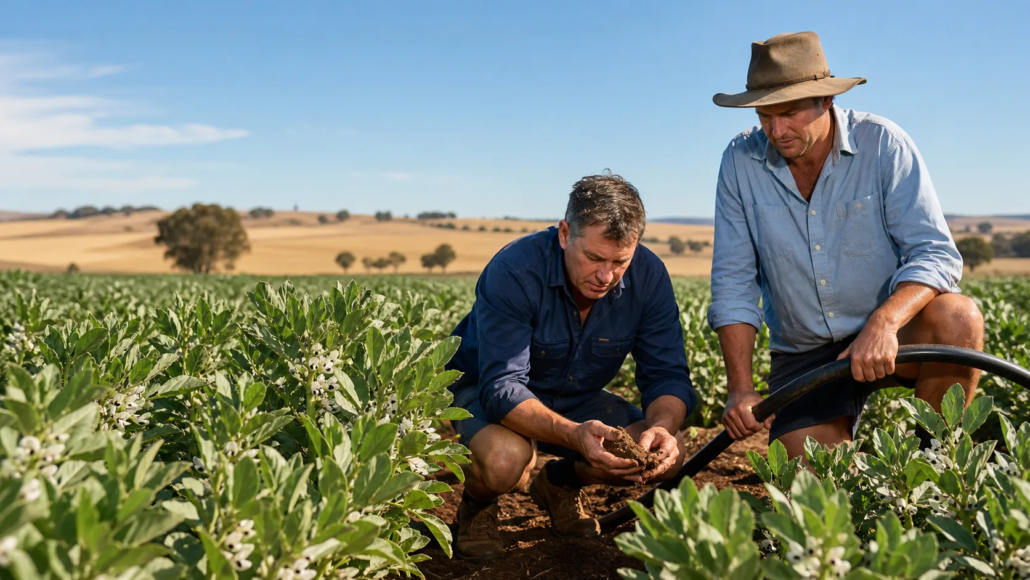
Early summer can cause issues for faba beans if the setup’s not right. Warmer days arrive quickly, and that shift in weather brings challenges for pulse crops across many parts of Australia. Dry spells, hot air, and changing soil conditions all play a part in how well things grow.
Faba beans in Australia have a good place in plenty of cropping rotations, but they need the right heads-up to get through those tougher summer days. When things heat up earlier than expected, it’s smart to check the basics. Soil strength, water planning, and variety selection all shape how the crop will hold up once summer really kicks in.
Watch How Moisture Moves
Heat loves to draw water out of the ground fast. So once early summer rolls in, moisture becomes a top priority. Faba beans do best when things stay stable in the root zone, but that’s not always easy across variable soils or when rainfall starts to drop off.
- Fast swings from wet to dry stress the plants and can result in lower pod numbers
- Heavy soil holds water longer, but may need help with drainage to avoid waterlogging
- Sandy or lighter ground loses water faster, which may mean earlier signs of stress
- Keeping an eye on expected weather and mapping soil types helps guide where you’d plan for top-up irrigation
Even well-set crops can hit trouble if a dry week turns into three. Once stress builds, it’s tough to make up for it. Holding onto moisture from spring helps, but that’ll only go so far if the topsoil dries out quicker than expected.
Know What the Soil Needs
What’s under the surface matters most once air temps start climbing. Shallow roots don’t cope well when the weather turns hot, so soil conditions need to allow roots to push down early. Any compaction, nutrient issues, or leftovers from winter sprays can slow that down.
- Hard ground or compaction from traffic over wet paddocks can restrict early root growth
- Poor nutrition, especially low phosphorus, means slower starts and uneven emergence
- Herbicide residues, particularly group C or F products, can carry over and knock early seedling health
Faba beans favour soils with a bit of structure, where water can be held but still drains well. Making sure the paddock hasn’t been treated harshly by winter cropping helps. A quick look at what was sprayed, what the soil pH is doing, and whether old stubble was managed well gives a better read before you plant again.
Time the Sowing Right
Timing sowing is always a balancing act, but early summer weather pushes that closer to the edge. Sow too early in some spots and you could risk disease or heavy early growth. Too late, and heat at flowering drops yield fast.
- Some areas may benefit from slightly delayed sowing to miss peak heat during flowering
- Early sowing works if moisture is strong and temperatures stay mild into late November
- Late harvest from winter crops can push sowing back, so plan rotations where early access matters
A key part of this is knowing when heat usually spikes in your area. Many growers base faba bean sowing on personal experience, and that still works when paired with long-range forecasts. If you know what late spring usually looks like, you can aim to finish flowering before conditions turn dry or nights get too warm.
Spot Disease Pressure Early
The higher the humidity, the more risk you see. Warmth mixed with moisture creates a perfect setup for disease, especially as the plant canopy thickens. Early signs are easy to miss but can lead to big problems if they’re left too long.
- Watch for rust turning up on leaves as temperatures rise
- Chocolate spot often spreads fast when leaves stay damp and airflow drops
- Downy mildew can creep in quietly after cool, wet starts, then show up heavily once the weather shifts
Crop checking once or twice a week during early summer can make a real difference. Miss that one week where things change, and outbreaks can settle in. Using certified seed and professional seed treatment help with protection early on, but no crop is immune if conditions keep pushing disease cycles.
Choose the Best Variety for Your Area
Some varieties just cope better when early summer hits hard. That doesn’t mean picking one option over another without thought, but it does help to link your choice to the expected finish.
- Look for varieties that are proven under short finishing windows or summer stress
- Consider paddock-by-paddock history to pick varieties matched to soil or disease conditions
- If dryland sowing, lean toward early growers with strong recovery after stress
When choosing seed, it’s always smart to think past just the yield chart. Quality matters too. And if summer tends to turn up early and hard in your region, pick a faba bean line that keeps going even when things tighten up. The wide mix of climate zones across Australia makes it clear that no one variety fits all.
Get Set for a Strong Start
Faba beans respond well to steady starts, but that can get tricky once heat and dry forecasts arrive in early summer. To give the crop the best chance to do its job, we look closely at four main things: moisture access, soil setup, planting timing, and early protection from pests and disease.
Each year brings its own run of pressures. But the basics still hold. If the seed is strong, the soil is ready, and decisions are made before conditions turn, faba beans often find a way to perform. With careful early thinking, we don’t just avoid the worst of early heat, we plan ahead for something that lasts through it. Staying grounded in what we know, and building on that, gives us the best shot at a solid return.
Set Your Faba Beans Up for Summer Success
At Shepherd Grain, we understand how important it is to start early summer on the right foot by selecting the best seed. Whether you’re fine-tuning your rotation plans or analysing paddock history, taking the time to evaluate how different varieties of faba beans in Australia perform in changing weather can make all the difference. Moisture, timing, and soil preparation are key factors, but choosing the right seed lays the groundwork for the season. Our team is here to help you discuss your options and get organised as the next season approaches, reach out to us today.
