

Faba Bean Growth Stages and Seed Requirements
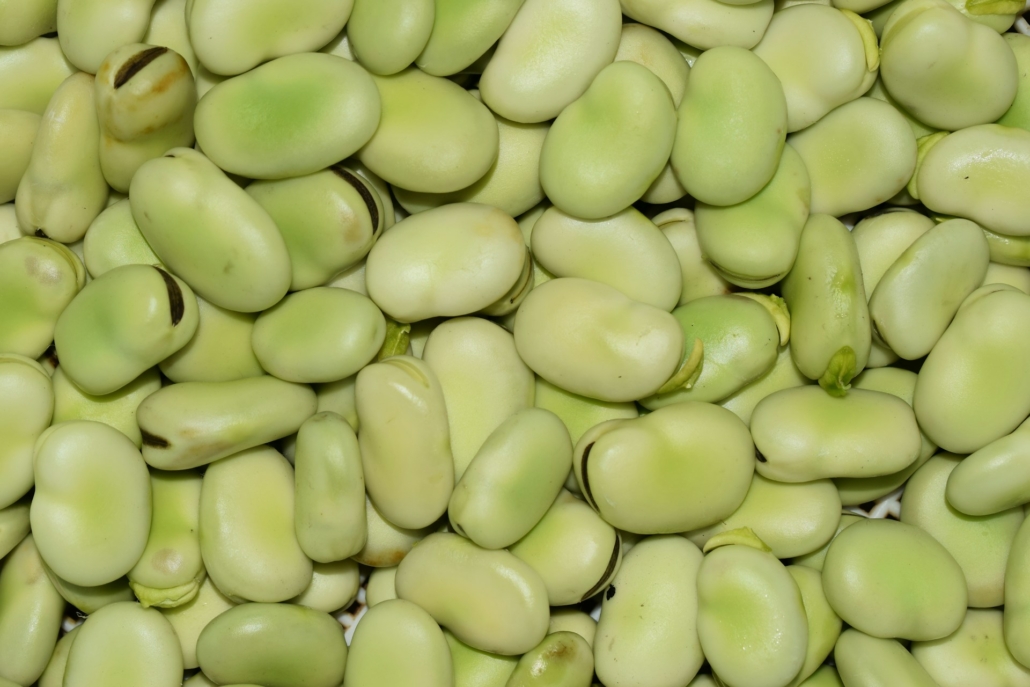
Understanding the growth stages of faba beans and their seed requirements is an essential aspect of successful farming. These phases provide the framework necessary to enhance plant health and increase yields while ensuring resource efficiency. Faba beans, with their rich nutrient profile, contribute to crop rotation benefits and aid in soil fertility improvement. Farmers keen on maximising these advantages need to understand the core aspects of selecting the right seeds and nurturing them through their growth journey.
Seed quality significantly determines the success of your faba bean crops. High-grade seeds lead to strong, healthy plants that are more resistant to pests and diseases. Additionally, knowing when and how to intervene during various growth stages can effectively combat issues before they impact the crop. By learning to efficiently manage these phases, farmers can boost their production and contribute positively to sustainable agriculture in Australia.
Seed Selection and Preparation
Choosing the right faba bean seeds is not just a matter of picking any available type. Several factors influence the selection of seeds to ensure the best match for your specific farming needs:
– Climate Compatibility: Select seeds that are suited to your region’s climate conditions.
– Disease Resistance: Opt for seeds bred for resilience against common faba bean pests and diseases.
– Supplier Reputation: Always source seeds from trustworthy suppliers to guarantee genetic purity and high germination rates.
Once you’ve chosen the right seeds, preparation for planting can greatly influence germination success. Here are a few steps to consider:
1. Pre-sowing Treatment: Treat seeds with fungicides or insecticides to protect against early-stage threats.
2. Moisture Content: Make sure seeds are at the right moisture level to enhance germination.
3. Soil Preparation: Ensure the soil is well-drained and enriched with necessary nutrients.
The quality of the seeds used plays a crucial role in determining the health and yield of your faba bean crop. It is wise to invest in high-quality seeds and attentive preparation to lay a solid foundation for the crop’s growth. Making informed decisions at the seed selection and preparation stage ensures your faba beans have the optimal start to a fruitful growing cycle.
Germination and Early Growth
Once your seeds are prepared and planted, understanding the stages of germination and early growth is key to fostering strong plants. Germination is where the seed begins to transform into a new plant, driven by the right balance of moisture and temperature. During this phase, the seed absorbs water, swells, and eventually breaks through the soil surface.
To nurture seedlings effectively, consider these best practices:
– Consistent Watering: Keep the soil evenly moist. Over-watering can cause the seeds to rot, while too little moisture will stunt growth.
– Optimal Sunlight: Ensure young plants receive ample sunlight or artificial light if necessary.
– Soil Health: Use nutrient-rich soil to support the growing seedlings. Regular soil testing can help you maintain the right nutrient balance.
Common challenges in these stages include dampening-off, a fungal disease that can quickly kill seedlings. Keeping conditions dry around young plants and improving air circulation can help prevent this issue. By being vigilant and addressing problems early, you’ll safeguard your plants and set them up for healthy development.
Mid to Late Growth Stages
As faba beans transition from their early stages, they enter a period of rapid growth. During mid-stage growth, plants will develop more foliage and stronger stems. Ensuring ample nutrient and water supply is essential as these support plant strength and resilience.
Key aspects to focus on include:
– Nutrient Management: Regularly apply fertilisers rich in nitrogen, phosphorus, and potassium. Adapt the type and amount based on soil tests.
– Pest Monitoring: Keep an eye on plant health. Common pests such as aphids can damage crops, so consider using natural pest control methods or approved pesticides.
– Water Needs: Increase watering as plants grow. Deep, infrequent watering encourages stronger root systems.
By actively managing these requirements, faba beans can thrive through their mid to late stages, culminating in a robust and productive harvest.
Harvesting and Post-Harvest Care
The timing of your faba bean harvest is crucial for maximising yield and ensuring seed quality. Look for indicators like dry pods and mature seeds that have reached their full size.
Follow these best practices for harvesting:
– Harvest Timing: Pick beans when pods are firm and have just begun to change colour.
– Careful Handling: Use gentle methods to avoid damaging the beans during picking.
– Post-Harvest Processing: Once harvested, clean and dry the beans thoroughly. Proper drying helps maintain seed quality and prevents storage issues.
Effective post-harvest handling maintains the high quality of your seeds, readying them for successful future planting cycles. Ensuring that you have a clear process for each stage helps achieve a balance between productivity and sustainability in your faba bean cultivation.
If you are looking to improve your cropping outcomes with strong seed performance, understanding the growth cycle and management of faba beans in Australia is a smart place to start. Shepherd Grain supports growers with superior seed quality and decades of industry knowledge to help you achieve more reliable, high-yield results season after season.

