

How to Identify High-Vigour Barley Seeds for Planting
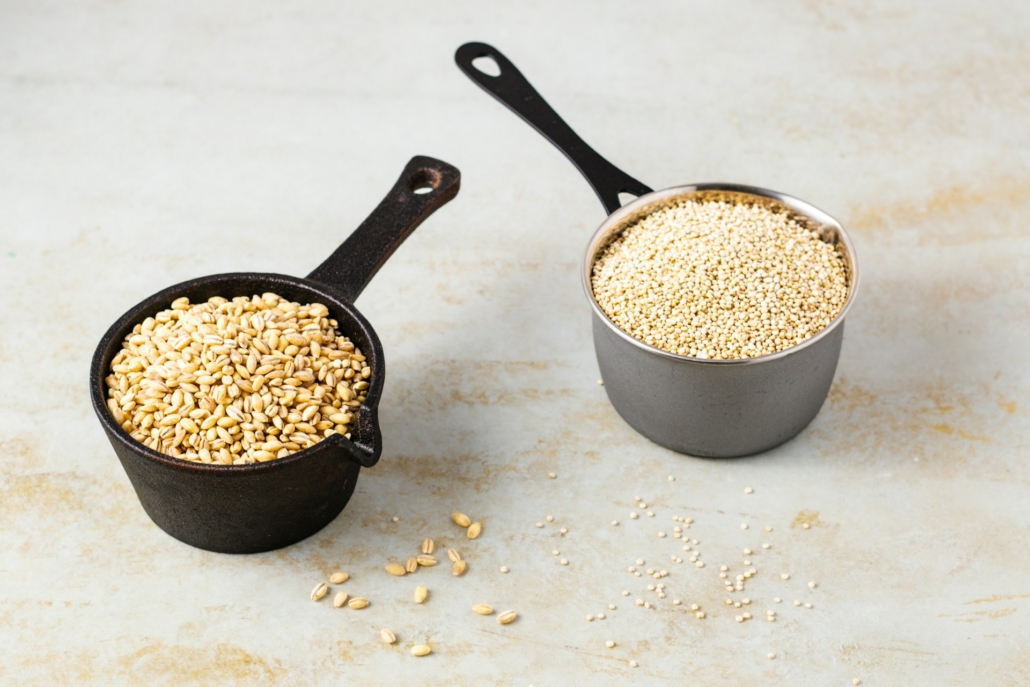
Getting the right start with barley means knowing exactly what you’re putting in the ground. And this time of year gives us the perfect window to sort it out properly.
We talk to growers all the time about picking the best barley seeds for planting. The conversations usually circle back to the same few things: vigour, source quality, and whether the seed’s been stored and treated right. Those details might sound basic, but they’re what separate crops that come up strong and even from the ones that limp along patchy and weak.
Not all seed performs the same. Some pushes through crusted soil without drama. Other seed sits there creating headaches that ripple through the entire season. The difference often comes down to a few simple quality markers you can spot before anything goes in the ground.
There’s always pressure around seed decisions. Weather shifts. Timelines tighten. Budgets stretch. But having a straightforward checklist of what matters can take some of that stress off your shoulders. Things like vigour, appearance, storage history, and treatment quality tell you most of what you need to know.
Here’s what to look for so that your barley seed is ready to perform from day one.
What Makes a Barley Seed High Vigour?
Vigour isn’t just about speed. It’s about resilience.
High vigour seed handles stress better. Heat waves, cold snaps, patchy moisture, rough handling. It pushes through crusted soil with real strength and gives you more even establishment across the paddock.
Vigour vs Germination: What’s the Difference?
People often confuse vigour with germination rate or purity. Those numbers matter, sure. But they only tell part of the story.
A seed can test at 95% germination and still struggle to punch through hard ground or cope with a tough start. Germination tells you if it’s alive. Vigour tells you if it’s tough enough to perform.
Why Strong Emergence Matters
Strong emergence is where you see vigour in action. When seedlings pop up at the same time and hold consistent size, that’s seed that’s been bred right, handled carefully, and stored properly before it reached your shed.
That early strength makes a real difference later when you’re managing inputs or trying to work between rain events.
Simple Signs of Strong Seed Quality
You can’t see everything without lab gear, but there are a few things worth checking by eye and feel.
Look for these signs:
- Plump, smooth seeds with fairly uniform size
- Clean appearance without discolouration
- No visible cracks or shrivelling
Watch out for these red flags:
- Shrivelled, cracked, or discoloured grains (usually means stress or age)
- Musty smell or damp feel (points to poor storage or weather damage)
- Seeds clumping together (sign of moisture problems)
Check Beyond the Surface
Seeds sitting in poorly sealed sheds can pull in moisture even when they look dry on the surface. It’s not always obvious at first glance, but seed that clumps together or carries a faint off smell often brings higher risk of early failure once it hits the ground.
Don’t Skip the Damage Check
Damaged seed usually comes from rough handling or long transport. Broken tips, rubbed patches, or chipped edges all hurt vigour and germination.
Grab a sample from the middle of the bag or bin instead of just checking the top layer. That gives you a more honest picture of what you’re actually working with.
Why Seed Source and Treatment Matter
One of the biggest influences on seed performance is what happens before it ever reaches your paddock.
Source Quality Makes or Breaks Performance
Where seed is sourced tells you a lot about the growing and storage conditions behind it. Reliable seed comes from clean, well-managed areas where disease pressure and moisture problems stay low.
If the seed’s been kept cool, dry, and well-protected from harvest through to delivery, there’s a much better chance it still holds high vigour by planting time.
Breeding for More Than Just Yield
Seed breeding isn’t only about tonnes per hectare anymore. Newer varieties often pack stronger early growth and better natural defence against disease or environmental stress.
That edge matters most when the start of the season is patchy or late. A variety bred for vigour can push through when conditions aren’t perfect.
Treatment Adds Another Layer of Protection
Seed with proper treatment tends to hold up better in the ground. A good treatment guards against early rot or insect damage, giving young plants time to build strength before conditions turn rough.
That’s especially helpful when moisture levels dip or spread unevenly across the paddock.
The Role of Testing and Professional Support
Regular testing takes the guesswork out of seed decisions.
Why Lab Tests Matter
A germination test shows what portion of your seed is active. But a vigour test adds real depth. It checks how strongly and quickly seed can perform when things aren’t ideal.
It’s one thing to have a bag showing 95% germination. But if only half of those seeds manage fast, even growth, that delay ripples through the entire season. Patchy establishment means patchy yields and more effort down the line dealing with weeds or gaps that need resowing.
Testing Reveals What Eyes Can’t See
Lab testing gives you a clearer window into what you’re planting. Strong vigour isn’t always easy to pick by sight, so working with someone who knows what to look for can save serious time and hassle.
Getting Advice That Fits Your Paddock
Matching the seed to the needs of your specific paddock often calls for some outside input.
Things to consider include:
- Soil history and type
- Planned inputs and nutrition
- Stubble loads from previous crops
- Whether the land’s been fallowed
Good advice upfront can prevent expensive problems later.
Signs You’re Set for a Strong Start
High vigour barley seed usually ticks a few key boxes before it ever hits the ground.
What Quality Seed Looks Like
Your seed should have a healthy, unbroken shape with consistent size. No off smells, mould specks, or damp patches. It should come from clean regions with proper storage history and be backed by lab tests showing fast early growth and strong germination.
Even Starts Lead to Even Crops
When a crop starts even, it usually stays even. That cuts down rework later on. It also gives you better timing to manage nutrition and weeds without chasing inconsistent patches across every paddock.
Summer Planning Pays Off Later
Planning now lets you flag issues or adjust before things get hectic. Sorting your barley seeds for planting early across summer clears the decks before conditions tighten up.
That breathing room can be a big advantage once trucks start moving and time gets short. Better to have seed questions sorted in January than scrambling in April when everyone else is doing the same thing.
Get the Best Start With Proven Barley Seed
The difference between a solid season and a frustrating one often comes down to what you plant.
Shepherd Grain works directly with a network of trusted grower suppliers across key Australian regions. We focus on sourcing seed that’s been field-tested, properly stored, and chosen for real-world performance, not just lab numbers.
Planning Ahead Matters
Summer’s the time to lock in your seed decisions. Waiting until everyone else is scrambling in April just adds stress you don’t need.
Strong seed with proven vigour gives you a head start when conditions aren’t perfect. And let’s be honest, conditions are rarely perfect anymore.
At Shepherd Grain, we source and supply barley seeds for planting with high purity, proven vigour, and reliable performance.
For direct advice on seed selection and availability, call (02) 5733 2822.

