

How Foundation-Derived Seed Lifts Wheat Crop Performance
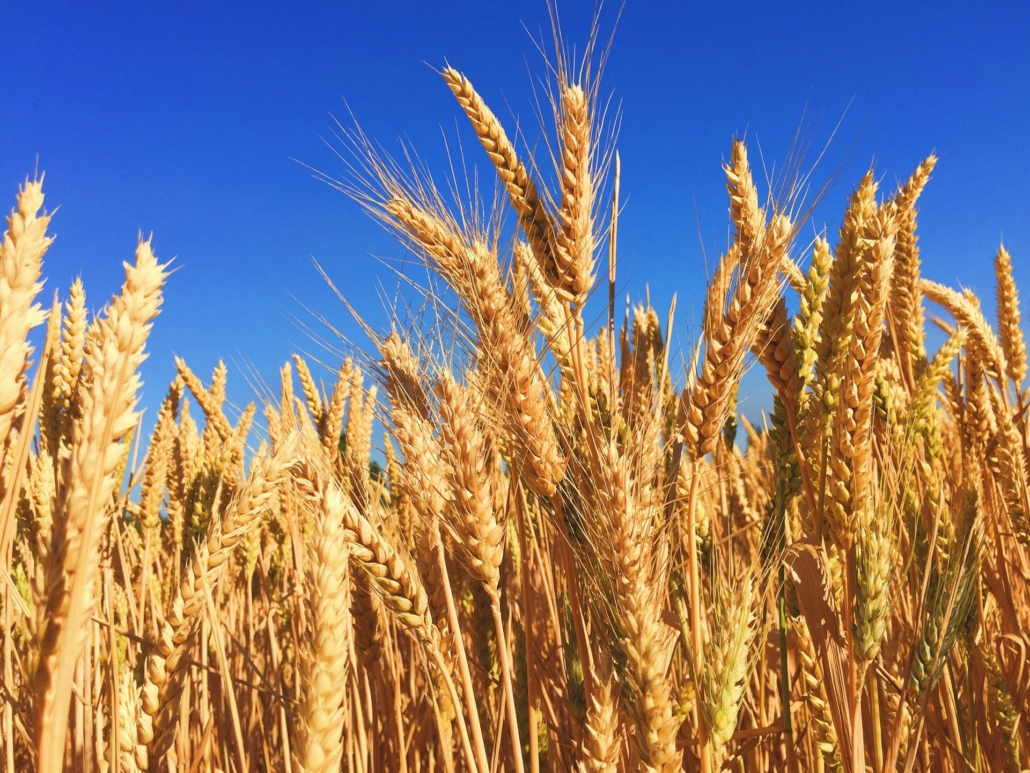
Why Seed Purity Is the Starting Point for Yield
What goes in the planter box sets the tone for everything that follows.
When seed is clean and true to type, crops come up evenly, weeds have less room to get ahead, and the whole paddock responds to inputs the way it should. When purity slips, even a little, you end up with uneven plant heights, staggered maturity and patchy grain quality across the same paddock. That costs money at harvest and at the receival point.
Foundation seed is the first multiplication step after breeder seed. It is grown under tight controls so it still carries exactly what the plant breeders put into a variety, including yield potential, disease resistance and grain quality. Foundation-derived multiplication takes those same lines and scales them up for commercial use, while keeping a close eye on variety identity the whole way through.
For growers in northern Australia, that starting point matters more than most. Variable rainfall, heat stress and tight planting windows all make crop establishment harder to manage. Seed quality is one of the few things in that equation a grower can get right before the season starts.
This article covers how foundation-derived seed helps reduce varietal drift, protect grain quality and deliver more consistent results across seasons, and what that means practically when sourcing wheat seeds in Australia.
What Foundation-Derived Seed Is
Seed classification sounds more complicated than it is. Think of it as a simple chain, where each link traces back to the original variety the plant breeders developed.
The chain runs roughly like this:
- Breeder seed, maintained directly by plant breeders
- Foundation seed, grown from breeder seed under strict standards
- Registered or certified seed classes, multiplied from foundation seed
- Farm-saved seed, retained and replanted by growers
Foundation-derived multiplication sits near the top of that chain. Reputable suppliers multiply from genuine foundation lines and keep close tabs on variety identity all the way through, so what arrives on farm is still very close to what the breeders originally developed.
How Suppliers Protect Genetic Purity
The key practices that keep seed clean during multiplication include:
- Isolation distances between varieties to prevent cross-pollination
- Rogueing, which means physically removing off-type and contaminating plants from the crop
- Thorough record-keeping from paddock through to storage
- Seed testing for purity, germination and vigour
Why This Matters Over Time
Without that discipline, years of on-farm saving can quietly shift how a variety performs. This is called varietal drift. The seed still carries the same name, but the yield potential, disease resistance or maturity dates no longer match what growers are expecting when they make their input decisions.
Refreshing regularly with foundation-derived seed keeps the crop much closer to the original genetic package, so sowing times, fertiliser rates and crop protection decisions are all built on a more reliable base.
Seed Purity, Grain Quality and Delivery Standards
Seed purity does not just show up in the paddock. It follows the grain all the way to receival.
Australian delivery standards measure a range of quality factors including protein levels and consistency, screenings and test weight, grain defects and contaminants, and variety declarations where they are relevant to grade. When paddocks are sown with mixed varieties, contaminated seed lots or seed from unknown sources, crops tend to mature unevenly. That produces a blend of grain quality out of the same paddock, which makes hitting receival standards harder and raises the risk of downgrades or outright rejections.
Clean, foundation-derived seed supports more even grain development and keeps key quality traits on target throughout the season. For buyers, that consistency matters across a range of end uses:
- Milling performance and flour extraction
- Baking quality and dough behaviour
- Noodle colour and texture for specific markets
- Grain consistency for livestock feed operations
At Shepherd Grain, maintaining clean and clearly identified wheat seed lines is central to how we work. When growers know exactly what is going in the ground, protecting market access and premium opportunities becomes a lot more straightforward, whether grain is moving to domestic buyers or into export channels.
Foundation-Derived Seed and Yield Stability in the North
Northern Australian growing regions are not forgiving. Variable rainfall, high temperatures, disease pressure, soil constraints and tight planting windows all stack up in the same season. In that environment, uniform crop emergence is not a bonus, it is the foundation that everything else is built on.
When a paddock goes in with pure, vigour-tested foundation-derived seed, plants emerge within a tight window. That has a flow-on effect across the whole crop:
- Even tillering and head development
- More efficient nitrogen use across the stand
- Better standability and cleaner harvestability
- Tighter timing for crop protection decisions
Varietal integrity also protects the disease resistance and stress tolerance that breeders have spent years developing. When a line drifts, those resistance ratings and stress responses can shift in ways that are not obvious until a tough season arrives and the paddock tells you something you did not want to hear.
Two Paddocks, One Clear Difference
Consider two paddocks side by side. The first was sown with mixed, degraded seed from several previous harvests. Plants emerged unevenly, some lodged early, and disease broke out in patches where susceptible off-types concentrated. Harvest dragged out across a wide window and grain quality was all over the place.
The second was sown with clean foundation-derived seed of a single, well-suited variety. Emergence and flowering were tight, disease management lined up clearly with crop growth stages, and harvest timing was predictable. Yield and grain specs came in consistent.
Over several seasons, that gap in reliability adds up to a meaningful difference in income and farm management.
Building a Seed Strategy With Shepherd Grain
Using foundation-derived seed is not about abandoning on-farm saving altogether. It is about building a simple, planned refresh cycle that keeps variety performance where it needs to be.
Growers across northern regions typically find value in:
- Refreshing varieties with foundation-derived seed every few seasons
- Rotating varieties to manage disease risk and spread seasonal exposure
- Testing retained seed for germination, purity and general quality before sowing
- Avoiding saving seed from stressed or low-yielding paddocks
Working With a Partner Who Knows the Region
Matching the right variety to your soils, rotation and end markets takes local knowledge. At Shepherd Grain, we work closely with growers across northern production regions to align variety choice and seed quality with each farm’s specific plans and requirements.
The practical side of a solid seed strategy also covers planning seed supply logistics well ahead of key planting windows, managing on-farm storage to protect seed quality between seasons, cleaning and grading retained seed to agreed standards, and keeping documentation current so grain remains traceable and compliant throughout the supply chain.
Treating seed purity with the same attention as fertiliser or crop protection decisions takes one significant source of variability out of the equation before the season even starts.
FAQs About Foundation-Derived Wheat Seed in Australia
Q: What are foundation-derived wheat seeds?
A: Foundation-derived wheat seeds come from breeder seed grown under strict quality controls to maintain varietal purity, vigour, disease resistance, and grain performance.
Q: Why is seed purity important for wheat crops?
A: High seed purity supports even crop emergence, consistent maturity, better grain quality, and improved receival outcomes while reducing contamination risks.
Q: How does foundation-derived seed improve yield consistency?
A: Uniform genetics help crops establish evenly, use nutrients more efficiently, and respond more consistently to seasonal conditions, disease pressure, and crop management.
Q: What is varietal drift in farm-saved seed?
A: Varietal drift happens when saved seed gradually loses the original characteristics of the variety, reducing reliability in yield, disease resistance, and grain quality over time.
Q: How often should growers refresh wheat seed with foundation-derived lines?
A: Many growers refresh seed every few seasons to maintain performance, reduce disease risk, and protect varietal integrity across changing seasonal conditions.
Q: Can foundation-derived seed help meet grain delivery standards?
A: Yes. Cleaner, true-to-type crops improve consistency in protein, screenings, grain size, and test weight, helping growers meet receival specifications more reliably.
Q: Is foundation-derived seed important beyond wheat crops?
A: Yes. The same principles apply to crops like barley, chickpeas, durum, faba beans, and mung beans where purity and varietal consistency affect market outcomes.
Q: What should growers look for when sourcing wheat seeds in Australia?
A: Look for reputable suppliers offering tested seed with strong germination, varietal traceability, disease management standards, and proven performance in local growing conditions.
Secure High-Performing Wheat Seed For Your Next Season
If you are planning your next sowing window, we are ready to help you find the right variety for your conditions, rotation and end market.
At Shepherd Grain, we work closely with growers across northern regions to match seed quality and variety choice to each farm’s specific needs. Talk with our team today to get your wheat seeds in Australia supply sorted well ahead of planting.

