

Should You Trust Grain Companies for Seed Treatment Needs?
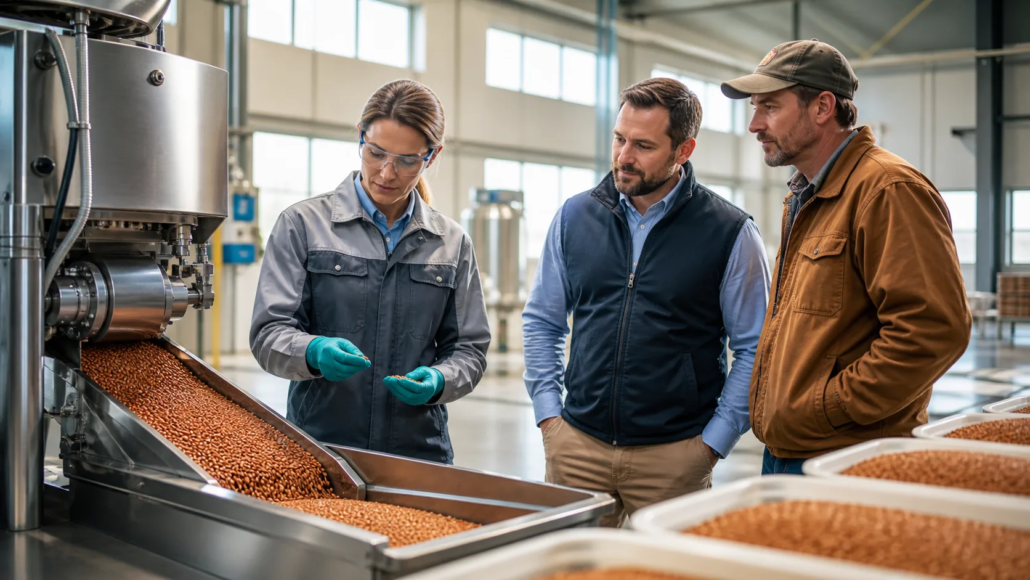
Summer planting comes in fast, and we know from experience that seed quality can make or break a season. More growers are starting to pay closer attention to mung bean seeds, not just for what they produce but for how clean the starting point really is. As the pressure builds to get paddocks planted on time, poor seed lots can slow things before anything even gets out of the ground.
There is a good reason why people are asking more about seed hygiene. A cleaner start leads to more even rows, fewer setbacks, and less stress when summer heat arrives. It all starts with how those seeds are cleaned, handled, and checked long before they hit the paddock.
What Clean Seed Lots Really Mean
When we talk about clean seed lots, we are not just thinking about what they look like in the bag. A proper clean lot means:
- High purity, with very little foreign material like weed seed, stalks, or split grain
- Strong germination and early growth potential, free from seed damage
- Low risk of disease or issues that trace back to handling or storage
Mechanical damage is one thing we watch closely. Nicks, cracks, or broken seed coats can show up in unexpected ways once planting starts. Damaged seed can stall, rot, or fail to push through the surface, leading to patchy growth. Then there is the problem of weed seed slipping in during rushed grading runs. Even a small amount can mean more early spraying and uneven rows.
Tight planting windows between winter crop finish and summer mung bean planting leave little time for surprises. Cleaner seed lots help take one more risk out of that transition.
Why Mung Beans Need a Bit More Care
Not every crop reacts the same way to handling. Mung beans are one of those crops that need a bit more respect from the start. The seed coat can be thin and prone to cracking under pressure. That kind of damage might not be obvious at first but often shows up later as poor emergence or slow early growth.
Moisture levels in the seed matter, too. If seed is too dry when handled or packed, the coats can split more easily. If there is too much moisture, early mould or disease can develop that carries into germination. Getting the balance right is tricky without the proper checks.
When grading mung bean seed, machine calibration needs to match the seed size and shape to avoid adding extra stress. That step often gets overlooked, especially when machines are hopping between different seed lines on tight timelines. All it takes is one rushed grading job to set a whole paddock back before planting even starts.
Shepherd Grain provides mung bean seed from Australian growers, with all seed cleaned, tested, and handled using calibrated grading equipment designed for pulse size and shape.
Seed Cleaning and Treatment: Doing It Right
Clean-looking seed is not always clean inside. Good cleaning systems pull out not just dust or broken pieces but those tough-to-spot contaminants like small weed seed and fine splits. That only happens when the machines are set properly for the job.
- Each seed line has its own shape, size, and flow rate that affects how cleaning equipment handles it
- Grading screens, airflow levels, and flow speeds all need to be matched to keep damage low
- Seed treatments must be applied evenly and at the right dose to avoid overloading, especially on lighter seed coats
Chemical application is another area where we see problems when care is skipped. Too much coverage burns seed, especially in warmer weather. Not enough means disease can creep in during those vulnerable first weeks. If treatment coating is uneven, some seed builds strong while the rest lags, even in the same row.
Rushed jobs are easy to spot once the crop is up. Uneven vigour and patchy growth often trace right back to the seed shed. Clean seed lots that are treated right help crops start strong and head into summer with fewer gaps.
All lots at Shepherd Grain are sample tested for seed purity, moisture, and freedom from contamination. Treated seed options are available to suit regional disease and crop management needs.
Planning Ahead: What a Strong Seed Lot Supports
Starting strong does not only help with early growth. Mung bean crops grown from clean seed lots tend to stay more even right through harvest. That has flow-on effects when it comes to weed control, disease pressure, and timing across a rotation.
- Consistent seedlings help shade out early weeds, reducing spray passes
- Crops that emerge together tend to flower and pod around the same time
- Less variation at harvest makes machine passes quicker and less prone to seed loss
When the crop is under stress, we want fewer variables in the paddock. A seed lot that brings strong, even emergence gives us that. It takes less second-guessing during scouting, fewer grower headaches, and better follow-through into summer fallow or the next crop.
By reducing seed-borne problems early, we keep the crop moving in one direction. That matters when weather shifts or machinery tightens up schedules.
Clean Starts Lead to Clean Finishes
No matter how good the season looks, things rarely go exactly to plan. That is why we focus more on the things we can control before the seed hits the soil. A cleaner seed lot does not just plant better, it handles the season better. When emergence is strong and even, we spend less time correcting and more time moving forward.
Mung bean seeds can be tricky if they are not handled right. But a little care early on can prevent weeks of rework down the line. Summer planting pushes us to move fast, but clean starts give us a better shot at clean finishes.
Get Summer Mung Bean Prep Sorted with Cleaned, Tested Seed
Getting ready for summer planting is the perfect opportunity to consider how your seed selection will impact the coming months. Starting with a clean, tested lot of mung bean seeds can give your crop the best chance to establish quickly and grow consistently. We understand that a rocky start can be hard to recover from, especially with tight timelines and unpredictable weather. At Shepherd Grain, we are here to support your preparations so you can move forward with confidence. Reach out to discuss your options before the season begins.
