

The Steps to Get Barley Ready for Market
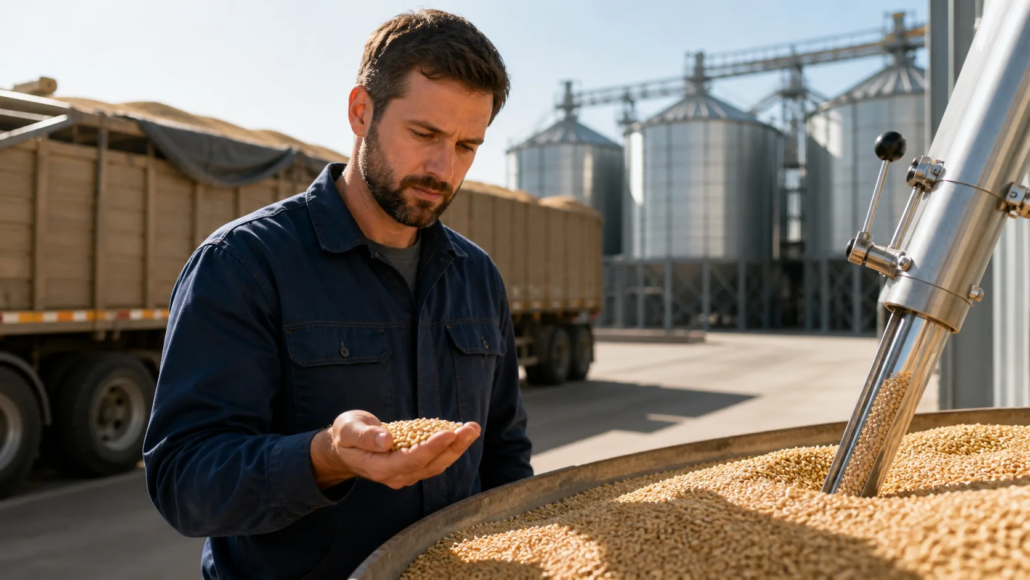
Getting barley off the paddock and into a truck isn’t the end of the job. Far from it. When we talk about getting a grain crop ready for market, the part in the silo or on the weighbridge is only the final step in a longer process. A good finish starts well before the header rolls out. For anyone planning to put barley for sale, each part between standing crop and sale day affects quality, price, and ease of movement.
That’s why we always look at the full picture. From walking the paddock and gauging ripeness to sorting what comes off the harvester, timing and care make a real difference. Getting it right is about knowing what to look for, not rushing the next step, and keeping control right through.
Checking Grain Readiness in the Paddock
Every header pass starts with a walk. There’s no shortcut around checking your grain. We spend that time making sure crops are truly ready and giving ourselves a better idea of what the shed will hold.
- Colour is your first sign. Barley that’s lost its green and turned a pale yellow or golden tone is usually close. But don’t rely on looks alone, as light and cloak can be misleading.
- Rub samples through your fingers and bite a few pits. You’re looking for firm to hard grain that’s not too soft in the middle. If it still feels pasty, it isn’t ready.
- Evenness matters. Patchy ripening creates uneven moisture and mixed quality. Crops with patchy head-fill might need more time or staggered cutting.
Different varieties mature at slightly different rates. Knowing what you’ve got in the ground helps with picking the best harvest window. There’s no one-size-fits-all.
Timing the Harvest Right
Pressure to get the header moving can be strong, especially around late spring when weather gets jumpy. But jumping in too early can backfire just as much as waiting too long.
- Grain that’s too wet brings storage issues and can put you outside moisture specs for buyers.
- Delaying too long risks weather damage, lodging, or grain skinning, especially if storms blow through.
- Each variety has its sweet spot for harvest. Getting close to that without missing it helps keep quality and grade up.
We watch the forecast closely in late October into November. The best runs come from that balance between knowing your crop and knowing your timing. The key is to keep grain at the right moisture level and avoid spoilage or shrink.
Shepherd Grain guides growers in matching harvest timing to storage capacity and market movement, with advice on local climate windows and optimal test weights.
Cleaning and Sorting After Harvest
Once grain’s off, what comes out of the header still needs work. Buyers want clean loads with low contamination. This part’s not just about farm pride. It’s what gets the grain over the line for sale.
- Get rid of chaff, weed seed, cracked grain, and foreign material. Even small amounts can hold back a whole batch.
- Pay attention to screenings and moisture levels. High screenings lower yield and market acceptability.
- Keep a close eye on grain damage. Weather-affected or mechanically damaged grain often can’t go where you want it to.
Cleaned and well-sorted grain opens up more markets and makes the post-harvest window smoother. It also means less back-and-forth if something gets knocked back after sampling.
Modern cleaning equipment and batch traceability at Shepherd Grain help keep all barley for sale up to industry and export standards, giving both sellers and buyers peace of mind.
Storage Before Selling
With harvest done, the grain’s still not out the gate. Keeping it safe in storage is about giving it the same care you gave it during growing.
- Keep silos and bins dry and ventilated. Avoid warm, damp corners that breed mould or insects.
- Barley stores best around 12 percent moisture or below. Too high, and you risk spoilage. Too low, and you lose weight.
- Always clean bins before the new fill. Old residue can carry pests or diseases that spoil fresh grain fast.
Storing only works well if it holds quality steady. Mixing good grain with spoilage risk works against you. Storage should support selling, not delay it or lower the outcome.
Shepherd Grain provides best practice storage advice for barley, including regular in-storage checks and market-aligned holding strategies to minimise risk.
Getting Set to Sell
Selling isn’t just about having grain. It’s about proving it meets what buyers are looking for, and being ready to move when it’s time.
- Different buyers chase different specs. Malt barley and feed barley aren’t interchangeable. Make sure you know what your grain can meet.
- Have your paperwork ready. That means harvest records, treatment history, cleaning logs, and test results where needed.
- Talk to the right agents or buyers early. If you’ve got good grain, you want to make sure someone’s ready for it.
We’ve always found it’s easier when the plan is made well before the first bin is full. Being prepared helps avoid quick sales into tight markets or missing better options that suit your crop.
Market-Ready Barley Without the Stress
Bringing a barley crop through to market doesn’t have to feel like a sprint at the end. When we’ve kept an eye on things from mid-fill to post-harvest, the process smooths out. Sometimes the crop runs later than expected. Other times things speed up without warning. That’s why we keep a checklist of sorts, look, plan, act, and tick each bit off as we go.
It’s not about doing everything perfectly. It’s about doing each part with care, so the next one is easier. Barley for sale moves best when we’ve already paid attention in the paddock, the header, the cleaner, and the shed. When that work’s behind you, getting it sold often becomes the calmest part.
Get Organised for the Best Barley Sale
Getting your loads sorted early makes it easier to market quality grain when it’s time for your next sale. We know from experience at Shepherd Grain that having clean, well-prepared grain puts you ahead, whether you’re targeting feed markets or something more. Having quality barley for sale means more opportunities open up when the season turns. Reach out to our team so we can help you get organised before the trucks are ready to roll.
