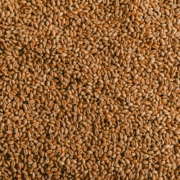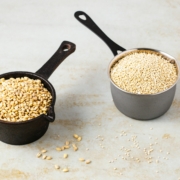
Rainfall patterns across Australian cropping regions aren’t following the same rhythm they used to. Some seasons start late with warmer, drier conditions than expected. Others open with early storms but little follow-through moisture when crops need it most.
When conditions keep shifting year to year, sticking with the same seed choices becomes riskier. More growers are asking how to adjust their early decisions when the season won’t settle into predictable patterns.
The answer starts with your seed selection. There are plenty of barley seeds for sale, but not every variety suits every rainfall window. Understanding how your region’s weather patterns are trending helps narrow your options before sowing pressure hits.
This guide walks through how to read those seasonal signals and match your seed picks to better timing, stronger establishment and more reliable crop performance when rainfall stays unpredictable.
Match Seed Type to Rainfall Timing
Barley maturity range becomes critical when rainfall patterns won’t cooperate. Early types finish before moisture runs out. Longer-season varieties need consistent follow-up rain to reach their potential.
Early-Maturing Varieties
These suit regions where autumn dry spells arrive earlier than usual. Early types set heads and finish grain fill before late-season stress hits. If your rainfall data shows moisture tapering off by mid-spring, early barley gives you an exit before conditions deteriorate.
Mid to Late Season Types
Better for paddocks that catch rain later or hold subsoil moisture into spring. These stretch the growing period but only perform when consistent rainfall supports that longer timeline.
Rooting Speed Matters
Some varieties establish root mass faster, accessing deeper moisture when surface layers dry off between rain events. Stronger root systems keep the crop pushing through uneven breaks.
When storms arrive after your usual sowing window, mid-season types with strong early vigour give you flexibility. Choosing maturity that doesn’t match your rainfall window creates problems from weed control through to grain fill.
Focus on Seed Quality for Tough Starts
When weather patterns shift, seed strength matters more than ever. Good germination gives every seed a better chance of emerging through light rain or dry topsoil. You don’t get many opportunities to get it right when moisture is limited.
High-vigour seed emerges faster, even when sowing depth varies or top layers don’t stay wet long. Seed purity delivers even growth, fewer off-types mean better coverage and simpler management once the crop establishes. Certified treatments offer extra protection when soils carry stress or pest and disease pressure.
That early start often shapes the entire season. Well-treated and cleaned barley reduces re-sows and patchy strikes when early conditions are unreliable. The more even your stand, the easier it becomes to time sprays and track harvest maturity across the paddock.
What to Weigh Up When Sourcing New Varieties
If rainfall patterns have been inconsistent for several years running, it might be time to reconsider your usual seed choices. Long-term favourites don’t always perform the same way when opening breaks shift or winter dries out earlier.
Local trial data shows how specific lines perform under your expected timing. If historical patterns aren’t repeating, consider widening your supply options.
Stronger disease resistance might now be essential if mildew or leaf rust appears earlier due to warmer starts. How a variety fits your rotation plan also matters. Some are easier to follow with legumes, others offer better stubble management or help clean up paddocks for the next crop.
Feed and malt demand still counts. Choosing seed that handles swing years, where grain ends up in different markets depending on final grade, keeps your options open when conditions stay unpredictable.
Stay Ahead With Regional Seed Planning
Not every seed decision happens at the paddock level. Thinking across your broader region gives you lead time and backup options when conditions shift quickly.
Watch what’s happening in nearby regions. If rain arrives early elsewhere, suppliers may lock in stock fast and leave you short if your break comes late. Understanding your storage capacity, freight lead times and peak sowing windows helps you secure seed before the rush hits.
Sourcing from multiple zones keeps supply flowing smoothly. If one region dries up or harvests later than expected, you still have access to seed that’s ready when you need it.
Seed quality alone won’t carry every crop. Planning around your region’s typical timing, while staying ready to adjust when patterns change, gives you clearer options even in tight years.
Making Better Choices When the Weather Shifts
Shepherd Grain partners directly with Australian growers to source and supply barley seeds known for steady performance under challenging seasonal patterns. All barley offerings are managed with clean storage, tested quality and market versatility, allowing growers to match seed to both feed and malt preferences when rainfall stays unpredictable.
Every season brings different conditions, but not every seed responds the same way. Choosing the right barley seed early means fewer problems as the growing period unfolds. When plenty of strong barley seeds for sale are available, being clear on how your timing and soil match up with variety strengths puts the odds in your favour.
Matching maturity, vigour and handling features to your seasonal outlook sets the crop up to keep performing regardless of how the season opens. That kind of preparation gives you breathing room so sowing, spraying and harvesting can follow without constant firefighting. Smart seed choices now save significant time and stress later. When rainfall won’t settle into patterns, your preparation needs to be rock solid.
Barley for Every Rainfall Window
When weather stays unsettled and seasons keep shifting, staying flexible with your sowing choices becomes essential. At Shepherd Grain, we help growers secure the right grain varieties early so paddocks are ready for success no matter when rain arrives.
Sorting options ahead of time is easier with region-ready seed that matches your rainfall window and rotation plans. Our range of barley seeds for sale performs reliably through changing seasonal starts. Reach out to discuss what could work best for your next season.